Dust mites are tiny irritants that thrive in warm, humid environments, particularly in bedding, upholstered furniture, and carpets. While they can’t be seen with the naked eye, their presence can trigger allergies and asthma for sensitive individuals. This guide outlines natural, practical steps to reduce dust mite populations using common household tools and safe products.
By following a routine that combines cleaning, protective barriers, and selective approaches, you can create a healthier living space without harsh chemicals. The focus is on prevention, regular maintenance, and simple remedies that align with everyday American households.
Quick Answer
Targeted cleaning, protective encasements, and natural sprays work together to minimize dust mites. Start with washing bedding at high temperatures, use a high-efficiency vacuum, cover mattresses and pillows, and supplement with diatomaceous earth in cracks and along edges. Add an air purifier with a HEPA filter to reduce airborne mites and allergens.
What You’ll Need
- HEPA vacuum cleaner for dust mites
- dust mite mattress protector encasement
- diatomaceous earth for dust mites
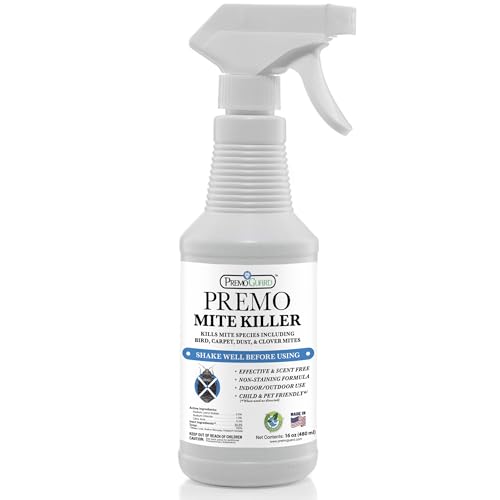
- natural dust mite spray essential oil
- air purifier with HEPA for dust mites


Before You Start
Set realistic expectations: natural methods reduce mite populations but may not eliminate them entirely. Plan a routine that includes weekly cleaning and monthly deep treatments. Gather cleaning supplies, check the washing instructions on fabrics, and ensure ventilation improves during and after treatments. Carefully read product labels and use essential oils safely, especially around pets and children.
Step-By-Step: How To Get Rid Of Dust Mites Naturally
- Wash all bedding including sheets, pillowcases, and blankets in hot water (130°F/54°C or higher) to kill dust mites and remove allergens.
- Encase mattresses, box springs, and pillows with a dust mite mattress protector encasement that is labeled allergen-impermeable.
- Vacuum upholstered furniture, curtains, and carpets with a HEPA vacuum cleaner for dust mites to capture mites and their waste.
- Apply diatomaceous earth for dust mites along baseboards, mattress edges, and under furniture to create a physical barrier that damages mite exoskeletons.
- Spray fabrics and upholstery with a natural dust mite spray essential oil blend, focusing on seams, cushions, and travel areas.
- Run an air purifier with HEPA for dust mites in bedrooms and living spaces to reduce airborne mite particles.
- Maintain low humidity (ideally 40–50%) with dehumidifiers or improved ventilation to slow mite reproduction.
- Practice regular rotation and washing of removable cushion covers and curtains to prevent buildup.
- Seal cracks and gaps where dust ambles indoors using caulk or weatherstripping to minimize mite habitats.
- Reassess monthly: replace or refresh filters in the air purifier and vacuum, and reapply diatomaceous earth as needed.
Troubleshooting
| Symptom | Likely Cause | Fix | Prevention |
|---|---|---|---|
| Persistent itchy eyes or nasal congestion | Residual dust mites in bedding or furniture | Rewash bedding at hot temps; reapply mattress encasement and diatomaceous earth | Maintain weekly cleaning and humidity control |
| Dust on surfaces quickly after cleaning | Airborne particles reintroduced by poor filtration | Run an air purifier with HEPA; vacuum with HEPA vacuum | Keep doors/windows closed during cleaning after treatment |
| Fabrics feel damp or musty | High humidity encouraging mite activity | Use dehumidifier or fan; dry fabrics thoroughly | Balanced humidity around 40–50% |
| Cracks along baseboards release dust | Hiding places for mites and dust | Seal gaps; reapply diatomaceous earth in edges | Inspect rooms quarterly for new gaps |
Common Mistakes
- Applying essential oil sprays directly on delicate fabrics without testing for staining or irritation
- Relying on a single method; mites can inhabit multiple micro-habitats
- Using excessive moisture, which can encourage mold and bacterial growth
- Forgetting to wash removable textile covers regularly
Instead, combine regular washing, protective encasements, and periodic chemi-free barriers to sustain a mite-reduced environment.
Tips For Best Results
- Coordinate bedding washes with a weekly cleaning schedule for consistent results.
- Place a high-efficiency air purifier in bedrooms where people sleep most often.
- Choose mattress encasements labeled airtight and washable for easy maintenance.
- Reapply diatomaceous earth cautiously, avoiding inhalation; wear a mask if needed.
- Keep pet areas clean as fur can trap dust and harbor mites; designate pet-free zones if possible.
Call A Professional
Consider professional help if symptoms persist after consistent natural measures or if a home has severe infestation signs like persistent allergic reactions, mold growth, or structural dampness. Seek a licensed pest or environmental health specialist when dealing with large-scale or persistent mite problems.
FAQ
Can dust mites be eliminated completely with natural methods?
Natural methods can greatly reduce mite populations but may not achieve complete elimination in all environments.
Which products are safest for homes with children and pets?
Choose fragrance-free or naturally scented options and test all products on fabrics. Use encasements and HEPA filtration as core strategies.
How often should I use diatomaceous earth for dust mites?
Apply periodically according to product guidelines, avoiding inhalation and keeping it away from food surfaces.
Do humidity and climate affect dust mite activity?
Yes. Dust mites thrive in higher humidity; keeping humidity around 40–50% helps slow their reproduction.
Are air purifiers essential for mite control?
Air purifiers with HEPA filters significantly reduce airborne mite particles and allergens, complementing other measures.
Is washing at home enough for bedding?
Washing at high temperatures (when possible) is important; using a dedicated mattress encasement adds a long-term barrier.
What about chemical sprays and essential oils?
Natural sprays can assist, but they should be used carefully to avoid skin or respiratory irritation; always follow label directions.
Buying Guide
When choosing products to combat dust mites, consider size, noise, energy use, and placement. A robust plan often combines an effective HEPA vacuum cleaner for dust mites, a durable dust mite mattress protector encasement, a reliable air purifier with HEPA for dust mites, and safe natural dust mite spray essential oil formulations. In tighter spaces, compact vacuum models with strong suction work well, while larger living areas benefit from fuller-size cleaners and quieter operation for nightly use.
Key buying factors include:
- <bSize and coverage: Ensure the vacuum and air purifier suit the room dimensions and upholstery volume.
- <bNoise level: Look for units advertised as quiet during operation for comfortable night and daytime use.
- <bEnergy efficiency: Choose energy-saving models that run longer between charges or have automatic shutoff features.
- <bControls and maintenance: Simple controls, clear indicators, and easy filter access save time and effort.
- <bPlacement: Plan for placements in bedrooms and living areas; consider portable options that reach under furniture and along edges.
For a balanced approach, pair a high-quality HEPA vacuum with protective encasements and an air purifier, then integrate natural sprays and diatomaceous earth where appropriate. This multi-pronged strategy supports ongoing relief and a healthier indoor environment.