Maintaining a clean watch helps extend its life and keep it looking sharp. This practical guide covers safe methods for different watch types, including metal bracelets, leather bands, and delicate watch faces. By following these steps, users can refresh their timepiece without risking damage.
The process benefits from simple tools and common cleaning products designed for watches and jewelry. Readers will learn how to select a cleaning kit, address tricky areas, and avoid common mistakes that can harm finishes or seals.
Quick Answer
Best starting point: Use a dedicated watch cleaning kit with a soft brush and microfiber cloth for routine maintenance. For tougher grime, an ultrasonic cleaner designed for watches is effective and jewelry-safe. Always test cleaner on inconspicuous areas first and avoid soaking leather bands for prolonged periods.
What You’ll Need
- Watch cleaning kit soft brush microfiber cloth
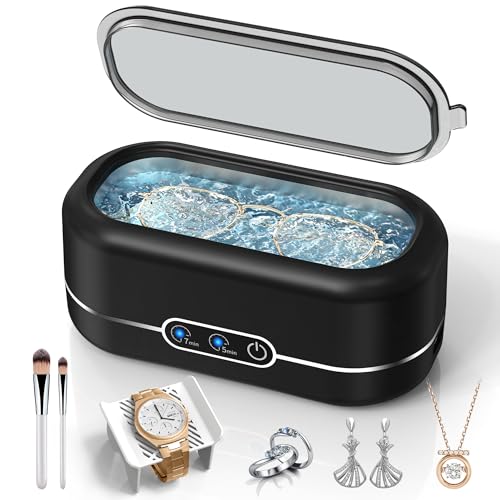
- Ultrasonic cleaner for watches jewelry safe
- Watch band cleaning brush tools set
- Leather watch band cleaner solution
- Microfiber cloth and toothpick set for watch cleaning


Before You Start
Assess the watch type and construction before cleaning. Water resistance varies by model, and improper soaking can damage internal components. If the watch has a leather band, minimize moisture exposure to extend band life. Prepare a clean, well-lit workspace and protect the watch face from scratches with a soft mat. Plan for 15–45 minutes, depending on the level of grime and strap type. Never submerge a non-waterproof watch or leather band for extended periods.
Step-By-Step: How To Clean A Watch
- Remove the watch from your wrist and detach any easily removable parts as needed, such as leather straps or interchangeable bracelets.
- Gently brush the case back, lugs, and bracelet with the soft brush to dislodge loose dust and grime.
- For metal bracelets, consider a light soak in warm, soapy water if the watch is water-resistant. Use the brush to clean between links without forcing water into the case.
- If using an ultrasonic cleaner, place the watch securely in a protective holder and select a gentle cycle designed for jewelry. Avoid harsh temperatures or long durations.
- Wipe the watch face with a microfiber cloth, using circular motions to remove smudges and fingerprints. For stubborn smears, a small amount of the microfiber cloth’s cleaner can help.
- Carefully clean leather bands with the leather watch band cleaner solution and a soft cloth. Do not saturate the leather; wipe and dry promptly.
- Use a toothpick set to clean tight corners around crowns, crevices, and between link joints. Be careful not to apply excess force that could scratch.
- Rinse or wipe away any soap residue with a clean cloth. If the watch is water-resistant, a quick rinse with distilled water is acceptable; otherwise, avoid rinsing the case.
- Dry the entire watch with a lint-free microfiber cloth. Allow the watch to air-dry completely before reassembling straps or wearing it again.
- Inspect the watch for remaining smudges and repeat targeted cleaning on any stubborn areas as needed.
Troubleshooting
| Symptom | Likely Cause | Fix | Prevention |
|---|---|---|---|
| Scratches on crystal | Abrasive cleaning or grit | Use only soft cloths and non-abrasive brushes | Keep cleaning materials dust-free |
| Water marks on case | Water exposure on non-waterproof watches | Dry promptly; avoid soaking | Confirm water-resistance before cleaning |
| Leather band stiff or cracked | Overexposure to moisture | Reduce moisture; use leather-specific cleaner | Limit contact with water; condition leather periodically |
| Gunk between links remains | Hard-to-reach crevices | Gentle toothpick work; repeat brushing | Regular light cleaning to prevent buildup |
Common Mistakes
- Using harsh household cleaners or solvents on any watch component
- Soaking a non-waterproof watch or leather strap
- Directly applying excess liquid to the case or dial
- Forcing dirt from tight spaces, risking scratches
Tips For Best Results
- Clean regularly with a soft brush to prevent heavy buildup.
- Use a dedicated microfiber cloth to avoid lint and micro-scratches.
- Test any cleaner on a small, inconspicuous area first.
- Store cleaning tools in a dry, lint-free container to maintain effectiveness.
- Have the watch professionally serviced according to the manufacturer’s schedule.
Call A Professional
Consider expert help if the watch shows signs of moisture inside the case, condensation under the crystal, or if you are uncertain about water resistance. Signs to seek professional care include persistent fogging, malfunctioning movement, or visible damage to the crown or seals. If the watch is valuable or vintage, professional cleaning may preserve components and maintain value.
FAQ
Is it safe to clean a watch at home?
Yes, with appropriate tools and care, particularly for water-safe watches and simple theft-free cleaning routines.
Can I use household cleaners to clean a watch?
Avoid them; use watch-specific cleaners or mild soapy water for water-resistant watches.
How often should I clean my watch?
Light cleaning monthly and deeper cleaning every 6–12 months, depending on wear and exposure.
What if cleaning reveals damage?
Stop immediately and consult a professional for assessment and repair.
Can leather bands be cleaned the same as metal bracelets?
No. Leather requires specialized cleaner and careful drying to prevent cracking.
Should I use an ultrasonic cleaner for all watches?
Only if designed for watches and jewelry; some finishes or seals may be damaged by ultrasonic action.
What maintenance helps extend the life of a watch?
Regular cleaning, proper storage, avoiding magnet exposure, and scheduled professional servicing.
Buying Guide
When selecting cleaning tools and gear for watches, consider size and scope of your collection, the materials of your bands, and your cleaning environment. A basic kit with a soft brush and microfiber cloth covers routine maintenance, while an ultrasonic cleaner provides deeper cleaning for metal bracelets and cases—use only on watches rated for exposure to such cleaning. Leather bands demand gentler care and leather-safe cleaners. A dedicated toothpick set helps with stubborn grime in hard-to-reach joints.
Important buying factors include:
- Size and scope: Choose a kit that matches your watch count and band types (metal vs leather).
- Noise level: Ultrasonic cleaners can be quiet, but some models produce noticeable hum; select a quieter option if cleaning in shared spaces.
- Energy efficiency: Look for energy-efficient cleaners and those with automatic shutoff features.
- Controls: Simple on/off cycles with adjustable durations work best for beginners and advanced users alike.
- Placement: Use a stable, padded surface away from moisture-prone areas; consider a dedicated cleaning station to keep tools organized.
For best results, read product instructions and warranty terms, and match tools to your watch’s material and water-resistance specifications. Would you like help choosing a specific kit based on your watch type and budget?