Walking boots see a lot of action, from muddy trails to damp forests. Regular cleaning not only extends their life but also maintains comfort and odor control. This guide walks American hikers and outdoor enthusiasts through a practical, reliable cleaning routine that suits most walking boot materials and designs.
Whether you own rugged leather boots or synthetic hikers, a consistent cleaning routine helps preserve materials, maintain waterproofing, and reduce odor buildup. Follow these steps to keep walking boots looking and performing their best on every excursion.
Quick Answer
Easy start: Brush off loose dirt, spot-clean with a gentle cleaner, rinse with lukewarm water, air-dry away from direct heat, then condition or deodorize as needed. For leather boots, apply a leather-safe cleaner and conditioner after drying. Use a boot deodorizer spray to keep odors at bay between cleanings.
What You’ll Need
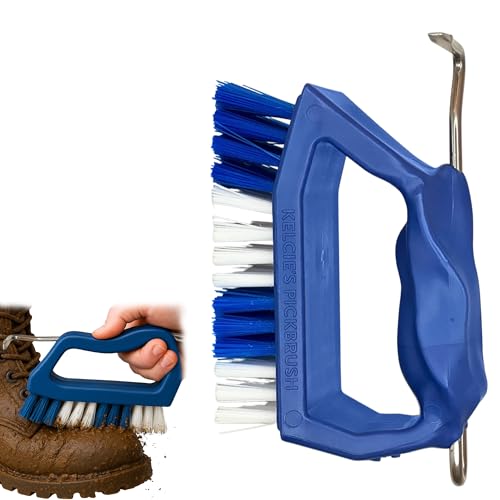
- Boot cleaning brush set hiking boots
- Hiking boot cleaner kit with brush
- Leather boot cleaning spray
- Boot deodorizer spray for boots
- Odor removing boot wipes


Before You Start
Prepare a dedicated cleaning space with good ventilation. Remove insoles and laces to clean every surface. Use cool, not hot water to avoid damaging materials. Test cleaners on a small, inconspicuous area first, especially on leather. Time estimate: 15–30 minutes for a thorough clean; longer if treating leather or reconditioning.
Important cautions: Do not submerge waterproof boots for extended periods; excessive moisture can degrade adhesives. Avoid direct heat sources like radiators or sunlight during drying. If boots are very stiff or cracked, stop and seek professional help to prevent further damage.
Step-By-Step: How To Clean A Walking Boot
- Remove laces and insoles to access all surfaces and prevent staining during cleaning.
- Brush off loose dirt and debris with a soft-bristle brush, focusing on seams and tread areas.
- Prepare a mild cleaning solution or use a dedicated hiking boot cleaner kit with brush; mix according to product directions if needed.
- Lightly scrub the exterior with the brush, using circular motions to lift mud from stitching and texture.
- Rinse with lukewarm water, ensuring all soap residues are removed without soaking the boots.
- Pat dry with a clean cloth and allow boots to air-dry away from direct heat or sun to prevent material damage.
- If leather boots are involved, apply leather boot cleaning spray after drying, followed by a conditioner to restore suppleness.
- Reinsert insoles and laces once boots are completely dry; consider applying odor removing boot wipes or boot deodorizer spray to keep fresh between cleanings.
Troubleshooting
| Symptom | Likely Cause | Fix | Prevention |
|---|---|---|---|
| Persistent odor after cleaning | Insufficient drying or deep-seated bacteria | Apply boot deodorizer spray and odor removing boot wipes; ensure full drying before re-wearing | Dry boots thoroughly after each use; use deodorizing products seasonally |
| Leather stiffness after cleaning | Over-drying or harsh cleaners | Use leather-safe cleaner and follow with conditioner once dry | Test cleaners in a hidden area; avoid aggressive scrubbing |
| Waterproofing compromised | Frequent cleaning with improper products | Reapply appropriate waterproofing treatment for the boot material | Choose cleaners compatible with waterproofing membranes |
| Stains on fabric or mesh | Harsh cleaners or prolonged soaking | Switch to mild cleaner and limit exposure time | Spot-clean promptly after muddy hikes |
Common Mistakes
- Using hot water or high heat to dry boots, which can warp or crack materials.
- Submerging boots for long periods, especially waterproof models with membranes.
- Using household cleaners with harsh chemicals not designed for footwear.
- Neglecting to remove insoles and laces, leaving hidden grime buildup.
- Skipping drying completely, which invites odor and mildew growth.
Tips For Best Results
- Clean boots soon after muddy hikes to prevent dirt from setting in.
- Use a dedicated brush set to target crevices and tread without damaging fabric.
- For leather, pair cleaner with conditioner to maintain flexibility and water resistance.
- Rotate drying spots: use a shaded, breezy area or a boot dryer if available.
- Store boots in a cool, dry place to minimize odor and material stress between trips.
Call A Professional
Seek professional help if boots show deep cracking, separation of materials, or persistent odor that cleaning and deodorizing fail to address. Signs to contact a pro include significant sole separation, ripped seams, or loss of waterproof performance that cannot be restored with standard products.
FAQ
Can I use dish soap to clean hiking boots?
Dish soap is generally too harsh for many boot materials; use a mild cleaner or a kit designed for hiking boots to protect fabrics and membranes.
How often should I clean my walking boots?
Clean after muddy or snowy trips and before storing for the off-season. More frequent cleaning extends life and prevents odor buildup.
Should I dry boots in direct sunlight?
No. Direct sun can degrade materials. Dry in a shaded, well-ventilated area.
Are odor control products safe for leather boots?
Yes, but use sprays or wipes formulated for leather and follow product instructions to avoid over-conditioning or residue.
Can I reuse the insoles after cleaning?
Yes, once insoles are dry; if they retain odor or show wear, consider replacing them for comfort and hygiene.
Is it necessary to waterproof after cleaning?
Often beneficial, especially for leather or fabric boots, to restore water resistance after cleaning and drying.
Buying Guide
When selecting cleaning supplies for walking boots, consider factors that influence performance and care. Size and materials vary, so choose products compatible with typical hiking boots in the U.S. market.
Key buying factors include:
- <bCleaning power and gentleness: Look for products designed for hiking boots that remove dirt without harming fabrics or membranes.
- <bOdor control: Deodorizers and wipes help manage odor between cleanings, especially for frequent hikers.
- <bLeather compatibility: Leather boots benefit from dedicated cleaners and conditioners to maintain suppleness.
- <bEase of use: Brush sets and kits with clear instructions streamline maintenance for any skill level.
- <bDrying readiness: Quick-dry tools or compartments can speed up the process in damp environments.
- <bBrand compatibility: Choose reputable brands with clear guidelines for footwear care.
Placement considerations are practical too: keep cleaning supplies in a dedicated gear bag or closet to avoid cross-contamination with food or other items. If you hike in wet climates, establish a routine that includes immediate post-hike cleaning and a light deodorizing touch-up after drying. Would you like a quick starter kit checklist tailored to your boot type?