Cleaning a heavily soiled carpet can be challenging, but with the right approach and suitable equipment, it’s possible to restore looks and extend carpet life. This guide walks through practical steps, tool selections, and common pitfalls to avoid for homeowners and landlords across the United States.
Quick Answer
For tough grime, rent or own a carpet steam cleaner machine professional grade 120V and follow hot water extraction techniques. Pre-treat obvious stains, work in sections, and rinse thoroughly to prevent resoiling.
What You’ll Need
- Carpet steam cleaner machine professional grade 120V
- Industrial carpet cleaning extractor machine
- Heavy duty carpet cleaner with hot water extraction
- Portable carpet cleaner with stain remover and rinse
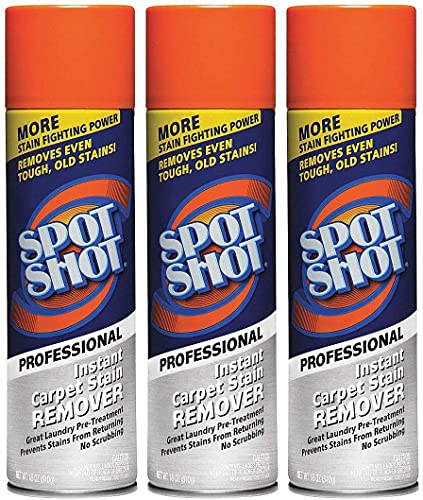
- Carpet stain remover spray with professional-grade scrubbing brushes


Before You Start
Assess the carpet’s fiber type and dye stability, as well as any warranty considerations. Test cleaning solutions in an inconspicuous area before full application. Vacuum thoroughly to remove loose dirt and debris. Protect surrounding furniture and thresholds with plastic sheeting or drop cloths. Allocate enough time for stepwise cleaning, drying, and any odor neutralization. Expect several passes for very dirty carpets, with drying times ranging from several hours to a full day depending on airflow and humidity.
Step-By-Step: How To Clean A Very Dirty Carpet
- Prepare the space by removing furniture and opening doors or windows for ventilation. If possible, run a dehumidifier or fan to speed drying.
- Vacuum thoroughly to remove loose soil, pet hair, and grit. Use slow, overlapping passes to lift embedded dirt from fibers.
- Pre-treat spots with a carpet stain remover spray, focusing on high-traffic areas and visible stains. Let the solution dwell per label instructions to break down soils.
- Apply hot water extraction cleaner to the carpet using a carpet steam cleaner machine professional grade 120V or heavy duty carpet cleaner with hot water extraction. Work in carpeted sections, maintaining a consistent distance from the backing to avoid over-wetting.
- Use the machine’s suction to extract dirty water and solution. Make multiple passes: first to rinse, second to extract deeper soils, and a final pass to lift fibers. Avoid over-wetting to reduce long drying times.
- Spot-clean any remaining stains with a carpet stain remover spray with professional-grade scrubbing brushes, scrubbing gently in small circles, then re-run extraction over the treated area.
- Rinse the carpet with clean water using the extractor to remove residual cleaning agents. A neutral pH rinse helps prevent sticky residues that attract new dirt.
- Extract as much moisture as possible. If available, use a squeegee or a powerful dry pass to accelerate drying. Use fans or open windows to boost air circulation.
- Reassess after drying. If any stains or odors persist, repeat treatment or apply a deodorizing rinse and allow full drying before replacing furniture.
Troubleshooting
| Symptom | Likely Cause | Fix | Prevention |
|---|---|---|---|
| Stains reappearing after drying | Soil trapped in the carpet backing | Repeat extraction focusing on the backing, use appropriate stain remover | Pre-treat high-traffic areas; extract thoroughly |
| Faint odor after cleaning | Moisture retained or organic soils | Increase ventilation; consider deodorizing rinse | Dry quickly with fans; avoid over-wetting |
| Fibers feel crunchy or stiff | Excessive cleaning solution residue | Rinse thoroughly with clean water | Use the recommended dilution and extraction |
| Color transfer to towels during extraction | Weak dye stability | Stop and perform spot testing before proceeding; use light passes | Test in hidden area beforehand |
| Pet urine smells persist | Residual urine salts in carpet | Use enzyme-based cleaner and a deodorizing rinse | Address odor sources promptly |
Common Mistakes
- Over-wetting the carpet, which slows drying and promotes mold growth
- Using too much cleaning solution, leaving sticky residues
- Skipping a proper pre-treatment on tough stains
- Neglecting to test cleaning products on a hidden area
- Poor ventilation during and after cleaning
Tips For Best Results
- Work in compact sections to ensure complete extraction in each area
- Near the end, run a final rinse with clean water to remove any detergent residue
- Use a deodorizing rinse or enzyme cleaner for lingering odors
- Protect newly cleaned carpet with furniture blocks and consistent airflow until fully dry
Call A Professional
Consider professional help if the carpet is very old, heavily soiled with ingrained grime, or stained with substances that require specialized chemistry. Seek a pro if you notice persistent odors after cleaning, recurring stains, or significant dye bleed. Severe water damage, warping, or structural issues with the carpet pad should also prompt professional assessment.
FAQ
What’s the best method to clean a very dirty carpet?
Use a carpet steam cleaner machine professional grade 120V with hot water extraction, preceded by pre-treatment and followed by thorough rinsing.
How long does it take for a carpet to dry after deep cleaning?
Drying times vary by humidity and airflow, typically several hours to a full day with proper ventilation.
Can I use household cleaners for a tough carpet mess?
General-purpose cleaners may leave residues; use carpet-specific cleaners and spot removers designed for your carpet type.
Is heat good for soil removal?
Hot water extraction improves soil dissolution but avoid excessive heat on delicate fibers to prevent damage.
Buying Guide
Choosing the right equipment and products for cleaning a very dirty carpet involves evaluating several factors. Consider the size of the area, carpet fiber type, and the level of soiling when selecting a machine and cleaning solutions.
Size and power
For large rooms, a commercial-grade extractor with a robust motor improves efficiency. Smaller apartments may rely on portable machines, but ensure they deliver sufficient suction and heat for effective extraction.
Noise level
Owners should balance performance with tolerance for noise, especially in multi-unit buildings. Look for models with reasonable decibel ratings and built-in anti-vibration features.
Energy efficiency
Energy-efficient machines reduce running costs. Compare motor efficiency, heat recycling capabilities, and the energy rating where available.
Controls and ergonomics
Ease of use matters for long cleaning sessions. Favor models with intuitive controls, clear indicators, adjustable handle height, and comfortable wands or hoses.
Placement and storage
Consider the storage footprint, portability, and weight. If space is limited, choose a compact, easy-to-maneuver unit with collapsible hoses and a modular design.
Maintenance and supplies
Evaluate how easy cleaning solution refills are, availability of replacement parts, and whether there are compatible stain removers and brushes for the model.
Bottom line
For very dirty carpets, a combination of a high-quality extractor, pre-treatment, and systematic extraction yields the best results. Use the most appropriate tool for your carpet type, and follow safety and care guidelines to protect fibers and dyes.