Throw pillows add comfort and style to living spaces, but their fabric surfaces can attract dust, spills, and odors over time. When the pillow lacks a removable cover, cleaning requires careful techniques that lift dirt without saturating the filling. This guide covers practical methods and safe tools to refresh fabric throw pillows while preserving shape and longevity.
Whether you’re dealing with pet hair, light stains, or everyday grime, the right approach uses gentle agitation, targeted cleaning, and drying methods that minimize water exposure to the filling. The following steps rely on commonly available tools and products to achieve clean, fresh pillows without removing their covers.
Quick Answer
Quick method: Start with a vacuum and upholstery brush to remove loose debris, then use a fabric steamer or portable upholstery cleaner with a fabric setting to lift stains and odors. Finish with a fabric spot cleaner brush for targeted spots and air-dry completely before use.
What You’ll Need
- Handheld fabric steamer for pillows no cover removal
- Portable upholstery steam cleaner with fabric option
- Fabric stain remover spray for cushions and pillows
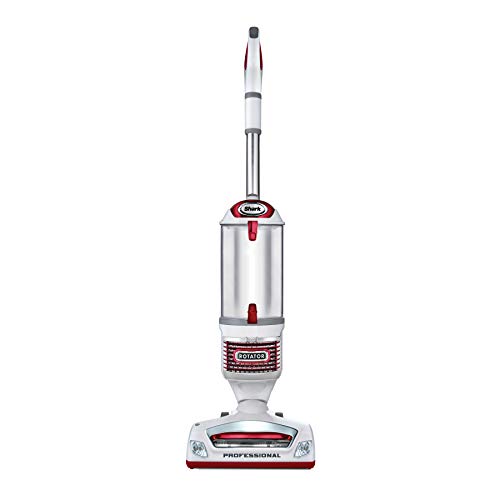
- Vacuum cleaner with upholstery brush attachment
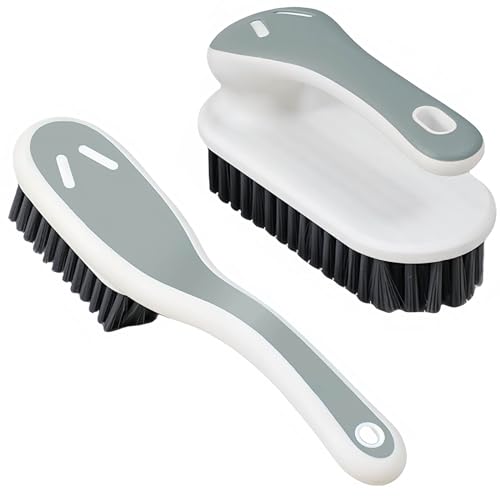
- Fabric spot cleaner brush for cushions pillows

Before You Start
Assess fabric type and care instructions printed on the pillow tag. Look for warnings about water exposure, colorfastness, and filling materials. If the pillow is delicate or vintage, consider professional cleaning first. Clear a well-ventilated area and protect surrounding surfaces from moisture. Important: test any cleaner or steam on a small inconspicuous area before full application. Allow the pillow to dry completely before reusing to prevent mold or mildew.
Step-By-Step: How To Clean A Throw Pillow Without Removable Cover
- Remove loose debris by vacuuming with an upholstery brush. Run the vacuum slowly over the pillow’s surface, paying attention to seams and edges.
- Lighten odors with steam. Use a handheld fabric steamer for pillows at a safe distance to avoid over-wetting; hover rather than press, letting steam loosen grime without soaking the fabric.
- Target spots with a fabric stain remover spray for cushions and pillows. Apply according to label directions and blot with a clean cloth rather than rubbing aggressively.
- Refresh deeper grime using a portable upholstery steam cleaner with fabric option. Follow the device’s instructions to deliver a controlled amount of moisture and suction, focusing on clean, circular motions.
- Use a fabric spot cleaner brush for cushions pillows to lift any remaining residues. Lightly brush in short, even strokes, moving with the fabric’s nap to avoid flattening the fill.
- Rinse and dry. If the cleaner cartridge or spray leaves residues, wipe with a damp cloth and quick-dry with air. Place the pillow in a warm, dry area or use a fan to speed evaporation.
- Check for dryness. Ensure all sides and seams are fully dry before placing the pillow back on furniture or a bed to prevent mildew growth.
- Re-fluff the filling gently after drying. Give the pillow a light shake and, if needed, massage the corners to restore loft without over-compressing the fill.
- Optional refresh. Lightly re-steam the surface for a final smoothing pass if the fabric appears crinkled after drying.
- Regular maintenance. Schedule periodic cleaning to maintain freshness between washes while monitoring fabric wear over time.
- Storage note. If possible, store clean pillows in a breathable container to prevent dust buildup between uses.
- Special cases. For stubborn stains or persistent odors, repeat the targeted steps on a small area first, then extend to the full surface if needed.
Troubleshooting
| Symptom | Likely Cause | Fix | Prevention |
|---|---|---|---|
| Remaining damp spots after cleaning | Insufficient drying time | Increase ventilation or use a fan; extend drying period | Dry pillows completely before use |
| Fabric color fading or bleeding | Non-colorfast fabric or aggressive cleaners | Spot-test and use gentler products; avoid soaking | Choose colorfast fabrics and test before full treatment |
| Stains reappearing after use | Residual stain compounds or inadequate spot treatment | Re-treat targeted areas with stain remover following directions | Treat promptly after spills |
| Filling feel lumpy after cleaning | Over-wetting or agitation during cleaning | Gently tap and redistribute filling; air-dry completely | Avoid heavy saturation |
Common Mistakes
- Using too much water on pillows with absorbent fillings
- Rubbing stains vigorously, which spreads them or distorts fabric
- Skipping test patches on delicate fabrics
- Ignoring drying times, leading to mold and odors
Being mindful of texture and nap direction helps maintain the pillow’s original appearance after cleaning.
Tips For Best Results
- Work in a well-ventilated area to speed up drying and reduce moisture buildup
- Use the upholstery brush attachment to reach tight seams and corners
- Follow the grain or nap of the fabric when using cleaners or brushes
- Choose a stain remover compatible with the pillow’s fabric type
- Deodorize with a light steam pass and fresh air circulation
Call A Professional
Consider professional cleaning if the pillow has delicate fabrics, antique value, or persistent odors that don’t respond to at-home methods. Stop cleaning and consult a pro if you notice color loss, fabric fraying, or the filling becoming compressed or misshapen beyond restoration.
FAQ
Can I steam clean a pillow with a water-based filling?
Yes, but avoid soaking the fill; use light steam and allow thorough drying to prevent mildew.
Is it safe to spray fabric stain remover directly on the pillow surface?
Only if the product is labeled safe for the fabric; test a small area first.
How long does it take for a throw pillow to dry after cleaning?
Drying time varies by fabric and environment but typically ranges from several hours to a full day.
What if the pillow still smells after cleaning?
Repeat the cleaning steps focusing on odor sources and ensure complete drying; consider additional deodorizing methods.
Can I machine wash throw pillows with non-removable covers?
Most non-removable covers should not be machine washed; use spot cleaning and steam methods instead unless the care label allows washing.
Should I replace the pillow if the filling feels lumpy?
If lumpy after multiple cleanings, replacement is often more effective than continual spot cleaning.
Is it safe to use a fabric spot cleaner brush on all pillow fabrics?
Not for delicate or decorative fabrics; verify compatibility and test first.
Buying Guide
When selecting cleaning tools for throw pillows without removable covers, consider several factors to fit American homes and common upholstery fabrics.
- Size and portability: Choose compact handheld devices for easy maneuvering in tight spaces and on couch cushions.
- Noise level: Look for quieter models suitable for living rooms, especially around family or pets.
- Energy efficiency: Prefer devices with efficient steam generation and low power consumption for extended cleaning sessions.
- Controls and settings: Fabrics option modes, steam intensity, and easy-to-read indicators help prevent over-wetting.
- Placement and storage: Consider lightweight units you can store in a closet or laundry area without clutter.
- Attachment variety: A range of brushes and upholstery nozzles improves access to seams and corners.
- Compatibility with stains and fabrics: Verify that the products are suitable for common household fabrics and that stain removers are compatible with the pillow’s fabric type.
- Replacement parts and consumables: Availability of replacement filters, brushes, and cleaning solutions matters for long-term use.
Combining a handheld fabric steamer, a fabric-focused portable cleaner, and a dedicated stain remover provides a versatile toolkit for maintaining throw pillows without removing their covers. A balanced approach emphasizes gentle cleaning, thorough drying, and fabric care to keep pillows fresh and inviting.