Keeping a cooler clean and odor-free extends its life and ensures your foods stay safe. This guide explains practical, step-by-step methods to banish lingering smells using common tools and kitchen-safe deodorizers. Whether you’re preparing for a camping trip or after a long season of use, a refreshed cooler performs like new.
Quick Answer
Rinse the interior with warm water, scrub with a dedicated interior brush or ice chest interior scrub brush, and neutralize odors with baking soda deodorizer for cooler or odor absorber gel for cooler. Dry thoroughly, then store with the lid slightly open to prevent musty smells.
What You’ll Need
- cooler cleaning brush plastic bristle kit
- ice chest interior scrub brush
- baking soda deodorizer for cooler
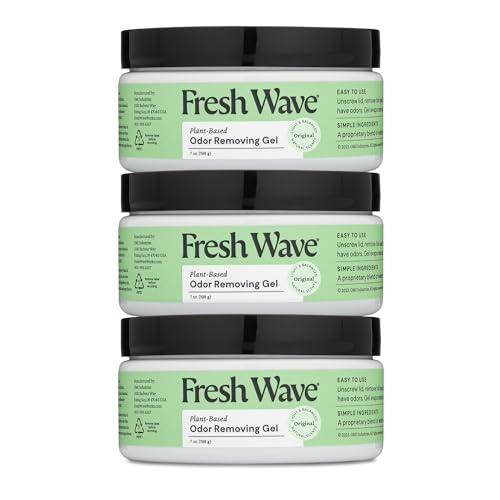
- odor absorber gel for cooler
- camping cooler cleaning sponge set


Before You Start
Move all contents out of the cooler and rinse any loose debris. Use warm water and mild dish soap first, then switch to a vinegar solution if odors persist. Always unplug or power down any built-in cooling features before cleaning and avoid harsh abrasives that can scratch the interior. Plan for a dry time of 1–2 hours in a sunny area or near a fan to speed up drying.
Step-By-Step: How To Clean A Stinky Cooler
- Empty and rinse: Remove all contents and rinse the interior with warm water to loosen residue.
- Pre-soak with gentle cleaner: Mix a mild soap solution or a 1:1 vinegar-water mix and apply to the interior using a sponge from the camping cooler cleaning sponge set.
- Scrub stubborn spots: Use the cooler cleaning brush plastic bristle kit or ice chest interior scrub brush to tackle corners, seams, and any sticky areas.
- Rinse again: Thoroughly rinse away soap and loosened residue to prevent leftover film.
- Neutralize odors: Sprinkle baking soda deodorizer for cooler across surfaces or place odor absorber gel for cooler in a corner of the interior.
- Dry completely: Wipe dry with a clean towel and leave the lid ajar in a sunny spot or use a fan until fully dry.
- Deodorize routine: For ongoing freshness, place a small amount of baking soda in a breathable bag or use the odor absorber gel for cooler inside a closed pocket when not in use.
- Final seal: Repack contents only after the interior is fully dry to prevent new mold or mildew formation.
Troubleshooting
| Symptom | Likely Cause | Fix | Prevention |
|---|---|---|---|
| Musty smell returns | Residual moisture or organic residue | Repeat cleaning with vinegar solution and ensure complete drying | Dry completely after each use; store with lid slightly open |
| Persistent ammonia-like odor | Bleach or harsh cleaners not used; odor trapped in gaskets | Use baking soda or odor absorber gel for cooler; wipe gaskets well | Regular gasket cleaning and airing out |
| Discoloration on interior walls | Hard water mineral buildup or stubborn stains | Soak with a baking soda paste; scrub with interior brush | Rinse promptly after use to prevent mineral buildup |
| Interior surfaces feel sticky | Sticky residue from sugary drinks or spills | Deep scrub with sponge set and rinse well | Wipe spills immediately; consider a light food-safe spray |
Common Mistakes
- Skipping thorough drying, leading to mildew
- Using abrasive cleaners that scratch plastic surfaces
- Neglecting gaskets and seals, which trap odors
- Overlooking hidden compartments or drain plugs during cleaning
Tips For Best Results
- Use a dedicated brush set to avoid cross-contaminating cooking gear.
- Schedule a post-trip deodorizing routine to extend cooler life.
- Rotate odor-control methods: baking soda for daily freshness, odor absorber gel for long trips.
- Store with the lid slightly ajar to prevent musty air buildup when not in use.
Call A Professional
Consider professional help if the cooler shows persistent cracks, persistent chemical odors from damaged seals, or internal components that cannot be safely cleaned. Seek assistance if there are signs of mold growth that cannot be scrubbed away or if the cooler’s cooling system seems compromised.
FAQ
Can I clean a cooler with dish soap and water?
Yes, start with warm water and mild dish soap to remove everyday residues.
How often should I deodorize my cooler?
Deodorize after heavy use or every few trips to maintain freshness.
Will baking soda damage the plastic?
No; baking soda is a gentle, food-safe deodorizer when used in moderate amounts.
What if the odor returns after cleaning?
Revisit the interior with a vinegar-water rinse, ensure complete drying, and consider repeating with odor absorbers.
Are there odors that require replacement parts?
If gaskets or seals smell persistently or show damage, replacement parts may be necessary.
Buying Guide
When selecting products to maintain a clean, odor-free cooler, consider size, material compatibility, and ease of use. For odor control, look for a combination of baking soda deodorizer for cooler and odor absorber gel for cooler to cover short and long trips. A sturdy camping cooler cleaning sponge set and a dedicated interior scrub brush ensure thorough cleaning without scratching surfaces. Consider how you typically use the cooler—camping trips, beach days, or backyard gatherings—and choose tools that fit your routine. A compact kit that includes a plastic bristle brush, an interior scrub brush, and odor-control items provides flexibility for various cooler sizes and configurations.