Metal mesh hood filters play a crucial role in keeping kitchen air clean by trapping grease and contaminants. Regular cleaning extends their life and maintains effective airflow. This guide provides a practical, step-by-step approach tailored for American kitchens, using common tools and readily available cleaners.
Quick Answer
Remove the filter, rinse under hot water, apply a degreasing cleaner or soak solution, scrub with the appropriate brush or sponge, rinse thoroughly, and dry before reinstallation. For stubborn buildup, repeat the soak and scrub cycle or use a dishwasher-safe cleaner if permitted by the model.
What You’ll Need
- Stainless steel range hood filter cleaning brush for careful scrubbing
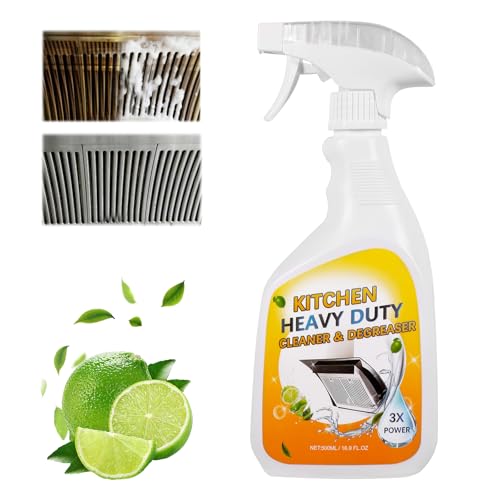
- Grease remover spray for metal range hood filters to break down heavy buildup
- Mesh hood filter cleaner with soak solution kit for deep cleaning
- Range hood filter cleaning sponge and scrubber set for gentle cleansing
- Dishwasher-safe metal mesh hood filter cleaner (if dishwasher cleaning is allowed by the model)


Before You Start
Clear the area around the stove to prevent splashes on the counter and backsplash. Remove the filter from the hood following the manufacturer’s instructions. Check for any signs of damage, such as warping or broken clips, and replace if needed. Note that some metal mesh filters are dishwasher-safe, but always verify the user manual before running a cycle. Safety First: wear gloves and work in a well-ventilated area. Time estimate: 20–40 minutes depending on buildup.
Step-By-Step: How To Clean A Metal Mesh Cooker Hood Filter
- Detach and rinse the filter under hot running water to loosen loose grease and debris. Let any loose grime drip back into the sink.
- Inspect for heavy buildup. If grease covers the mesh or vents, proceed to a soak step to soften it.
- Choose a cleaning method. Use a grease remover spray or a soak solution kit according to the product instructions. For lighter buildup, warm soapy water may suffice.
- Soak the filter in the recommended solution for 10–30 minutes. A deeper soak helps dissolve stubborn grease without scrubbing hard, which can damage the mesh.
- Scrub gently with a stainless steel range hood filter cleaning brush or sponge. Scrub in the direction of the mesh to avoid tearing the metal.
- Rinse thoroughly under hot water until all cleaner residues disappear. Check for remaining grease in corners and lattice spaces.
- Dry properly. Shake off excess water and let the filter air-dry completely on a rack before reinstalling. Do not reinstall while still damp to prevent mold growth.
- Reinstall and test. Place the filter back into the hood and run the fan briefly to ensure smooth airflow and no unusual noises.
- For dishwasher-safe models, consult the manual and run a gentle cycle with a mild detergent if approved by the manufacturer. Remove promptly and air-dry afterward.
- Repeat maintenance every 1–3 months, or more often in high-grease kitchens, to maintain optimal performance.
- Optional deep-clean with a mesh hood filter cleaner kit or spray for periodic maintenance, especially after heavy cooking sessions.
- Final check. If any grease remains or the mesh shows wear, consider replacing the filter to keep the hood functioning efficiently.
Troubleshooting
| Symptom | Likely Cause | Fix | Prevention |
|---|---|---|---|
| Grease remains after cleaning | Residue buildup in mesh pores | Soak longer, repeat scrub with a brush | Clean more frequently to prevent heavy buildup |
| Unpleasant odor after cleaning | Moisture trapped in filter or mold spots | Thorough drying and ensure proper airflow | Dry completely before reinstalling; store in a dry area |
| Mesh appears damaged | Overly aggressive scrubbing | Switch to gentler sponge or brush; replace if torn | Avoid metal tools that can snag mesh |
| Filter not fitting after cleaning | Warping from heat or improper reinstallation | Cool thoroughly and recheck alignment | Handle with care during removal and cleaning |
Common Mistakes
- Using harsh abrasives that scratch or bend metal mesh
- Not removing the filter completely before cleaning, leading to incomplete cleaning
- Letting the filter air-dry in a humid area, which encourages mold
- Skipping the rinse step, leaving chemical residues that can release odors during cooking
- Assuming all dishwasher cycles are safe for every model
Maintaining a routine cleaning schedule helps avoid these pitfalls and keeps the hood performing efficiently.
Tips For Best Results
- Schedule a monthly quick clean in calm kitchen weeks and a deeper clean every 2–3 months.
- Use warm water with a gentle degreaser to protect the metal finish and extend filter life.
- Keep multiple cleaning tools ready, including a dedicated brush, sponge, and soak kit for quick turnaround.
- Always verify whether your mesh filter is dishwasher-safe before selecting a cycle.
- Label replacement schedules to ensure timely filter changes when performance declines.
Call A Professional
Consider calling a professional if the filter shows persistent heavy grease that does not respond to household cleaners, the hood emits unusual noises, or the filter is warped or damaged beyond simple cleaning. Seek professional help if the hood’s mounting or venting system appears compromised, or if you notice mold growth that cannot be removed safely. If the appliance is under warranty, check terms before attempting complex disassembly or cleaning methods.
FAQ
Can I clean a metal mesh hood filter in the dishwasher?
Some filters are dishwasher-safe, but always check the manual or manufacturer guidance before running a cycle.
How often should I clean my metal hood filter?
Typically every 1–3 months, depending on cooking frequency and grease buildup.
What should I use to clean a stubborn grease buildup?
A dedicated grease remover spray or a soak kit designed for metal filters works best.
What signs indicate I should replace my hood filter?
Persistent stains, warping, torn mesh, or airflow drop despite cleaning indicate replacement is needed.
Buying Guide
When choosing a replacement or upgrade for a metal mesh cooker hood filter, consider several factors to ensure long-term satisfaction and performance. Size compatibility with the hood model is essential, as an ill-fitting filter can reduce efficiency and airflow. Noise level and energy efficiency are generally determined by the hood unit itself, but a clean, well-fitting filter supports optimal operation. Look for dishwasher-safe options if convenience is a priority, while respecting manufacturer guidance. Controls and placement preferences affect how easily you can remove and reinstall filters during routine maintenance. Compare filters by mesh density, frame durability, and compatibility with standard cleaning products in your region. A practical approach combines easy access to cleaning tools with a filter that resists corrosion and wear from frequent degreasing. Considering these factors helps ensure the hood continues to perform well under typical American cooking conditions.