Steel doors bring modern style and durability to interiors and exteriors, but they also require regular cleaning to maintain their appearance and longevity. This guide provides practical, step-by-step instructions using common household items and a focused set of stainless steel cleaning products. Readers will learn how to remove fingerprints, grime, and rust safely without scratching the surface.
Quick Answer
For a quick refreshed look, wipe the door with a stainless steel door cleaner spray or a mild, non-abrasive degreaser, then buff with microfiber cloths for stainless steel doors. For tougher spots, apply a rust remover spray for steel doors, rinse, and polish with stainless steel polish wipes for doors.
What You’ll Need
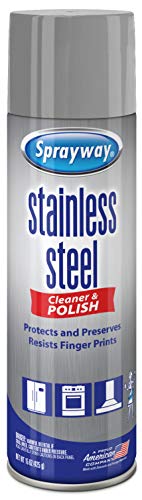
- Stainless steel door cleaner spray
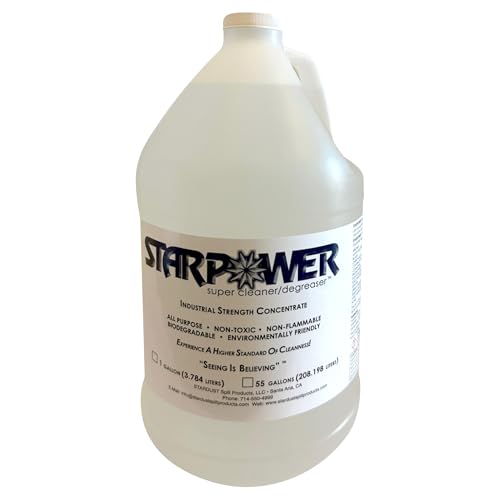
- Non-abrasive degreaser for steel surfaces
- Rust remover spray for steel doors
- Microfiber cloths for stainless steel doors
- Stainless steel polish wipes for doors
- Soft bristle brush (optional for texture and crevices)
- Warm water and a spray bottle

Before You Start
Preparing the door and workspace helps prevent streaks and damage. Move decor away, lay a soft cloth under the door, and ensure good ventilation if using chemical cleaners. Test a small, inconspicuous area first to confirm there is no discoloration. Avoid abrasive pads or harsh solvents, which can scratch or dull the finish. Time to complete a standard clean is typically 15–30 minutes depending on condition.
Step-By-Step: How To Clean A Steel Door
- Dry wipe the door with a microfiber cloth to remove loose dust and fingerprints.
- Mist a stainless steel door cleaner spray onto a microfiber cloth rather than applying directly to the surface.
- Wipe along the grain of the steel in smooth, even strokes to lift dirt without scratching.
- For greasy spots, apply a light amount of non-abrasive degreaser for steel surfaces to a cloth and wipe clean.
- If you encounter rust spots, apply a small amount of rust remover spray for steel doors and follow the product’s instructions. Rinse with a damp cloth after.
- Buff the door dry with a clean microfiber cloth to remove any remaining moisture and reduce streaks.
- Finish with stainless steel polish wipes for doors to restore shine and add a protective layer.
- Wipe hardware separately with a damp cloth and dry before reassembling or reopening the door area.
- Check for any leftover smudges and repeat steps as needed for a spotless finish.
- Periodic cleaning every few weeks helps maintain luster and protects against buildup.
- For heavily stained doors, repeat steps in a shorter cycle rather than aggressively scrubbing.
Troubleshooting
| Symptom | Likely Cause | Fix | Prevention |
|---|---|---|---|
| Streaks after cleaning | Moisture left behind or residue | Rewipe with a dry microfiber cloth | Dry thoroughly after each cleaning |
| Faint cloudiness on finish | Inappropriate cleaner or damp cloth | Use clean water and a dedicated stainless steel cleaner | Test cleaners on a small area first |
| Rust spots reappearing | Exposure to moisture or mineral deposits | Apply rust remover per instructions, then seal with polish wipes | Promptly address spots to prevent spread |
| Scratch marks | Abrasive tools or aggressive scrubbing | Switch to microfiber for all steps | Use light pressure and follow grain |
Common Mistakes
- Using abrasive sponges or pads that scratch the finish.
- Applying cleaners directly to the door in heavy amounts, creating streaks.
- Neglecting to dry the surface completely after cleaning.
- Overlooking door edges, frames, and hardware where grime hides.
- Ignoring test patches on unfamiliar products.
Tips For Best Results
- Always wipe in the direction of the grain to minimize micro-scratches.
- Keep cleaning cloths dedicated to stainless steel to avoid cross-contamination with other finishes.
- Use a two-cloth routine: one to lift grime, one to buff and dry.
- Schedule routine cleans to prevent buildup and preserve the door’s luster.
- Store cleaners out of reach of children and pets, especially liquid concentrates.
Call A Professional
Consider a pro if the door has deep pitting, corrosion across large areas, or if you notice coating peeling or discoloration that does not respond to standard cleaning. Complex rust issues, severe dents, or hardware replacements are best handled by a specialist to ensure the door’s structural integrity and finish remain intact.
FAQ
Can I use microfiber towels on all steel doors?
Yes, microfiber towels are safe and effective for most stainless steel surfaces when used with appropriate cleaners.
Is it okay to use water alone on a steel door?
Water can help but is often insufficient for tough grime; pairing with a mild cleaner yields better results.
How often should I clean a steel entry door?
Most doors benefit from a light cleaning every 2–4 weeks, with a deeper clean every 1–3 months depending on exposure.
What should I do about fingerprints on a stainless steel door?
Fingerprint smudges respond well to a spray cleaner and a microfiber cloth, followed by a light buff with polish wipes.
Are rust removers safe on painted steel doors?
Rust removers are typically formulated for bare steel or steel with specific finishes; check product labels before use.
Can I polish a matte steel door?
Polish wipes can add shine on many finishes, but test in a small area first to avoid altering the surface texture.
Buying Guide
When selecting products and tools to maintain a steel door, consider several factors to ensure long-lasting results and safe use in American homes.
Size and Fit
Choose a spray bottle size and cloth dimensions that fit your cleaning routine. A compact spray bottle and standard microfiber cloths work well for most doors.
Noise Level and Convenience
Most cleaning tasks are quiet and quick. Look for spray cleaners with simple, one-handed use to minimize interruptions during routine maintenance.
Energy Efficiency and Environmental Impact
Opt for water-based, non-abrasive cleaners that are low in volatile organic compounds (VOCs) and safer for indoor air quality.
Controls and Application
Spray-on cleaners ease application, but ensure you can control the amount to avoid pooling. Pre-moistened wipes offer quick, even coverage for fast touch-ups.
Placement and Accessibility
Store cleaning supplies near the door area for quick access, but out of reach of children. A dedicated cleaning caddy helps keep tools organized.
Product Perspectives
Consider a balanced combo: a stainless steel door cleaner spray for routine cleaning, a non-abrasive degreaser for steel surfaces for stubborn spots, a rust remover spray for steel doors for corrosion, and stainless steel polish wipes for doors to restore shine and protection. Using the right toolkit reduces the risk of damage and keeps steel doors looking like new longer.