Cleaning a dirty bathtub efficiently requires a plan and the right tools. This guide outlines a practical method for American bathrooms to remove soap scum, mildew, and grime quickly, using common supplies and specialized cleaning gear to make the job easier and safer.
Whether you’re preparing for guests or just keeping your daily routine smooth, a fast-clean tub helps maintain a fresh home environment with less effort over time.
Quick Answer
Fast method: spray a strong, non-abrasive cleaner, let it sit briefly, scrub with a long-handled brush or sponge, rinse with a extendable pole squeegee for a streak-free finish, and dry with a non-slip mat to prevent slipping during cleanup.
What You’ll Need
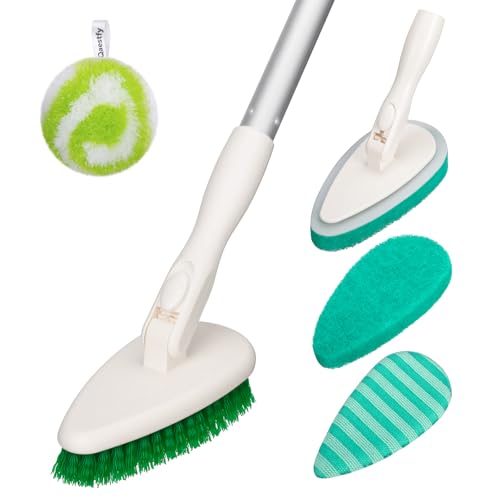
- Long-handled bathtub scrub brush
- Tub and tile cleaning kit with grout brush
- Bathroom silicone scrub sponge for tub
- Extendable pole squeegee for bathtub cleaning
- Non-slip bath mat for tub and shower safety


Before You Start
Prepare the area by removing personal items from the tub and surrounding surfaces. Ventilate the bathroom by opening a window or turning on the exhaust fan. Protect the skin by wearing gloves if you have sensitive skin or use a chemical cleaner. Time estimate: 15–25 minutes for a standard tub. Critical cautions include avoiding abrasive pads on porcelain or enamel surfaces, testing cleaners in a small area first, and keeping cleaners away from children and pets.
Step-By-Step: How To Clean A Dirty Bathtub Fast
- Remove items and rinse loose debris from the tub with warm water.
- Apply an appropriate bathroom cleaner to all tub surfaces, letting it sit for 5–10 minutes to loosen soap scum.
- Use the long-handled bathtub scrub brush to work in circular motions over the corners, grout lines, and drain edges.
- Switch to the tub and tile cleaning kit with grout brush to tackle stubborn grout lines and corners between tiles if present.
- For hard-to-remove residue, apply a second brief layer of cleaner and scrub with the silicone scrub sponge to minimize scratching.
- Rinse the tub thoroughly with clean water using the extendable pole squeegee to remove excess cleaner and prevent streaks.
- Inspect for missed spots; repeat as necessary in high-traffic areas like the tub rim and bottom.
- Dry the surfaces with the sponge or a microfiber cloth to speed up drying and reduce mildew risk.
- Wipe the surrounding tiles and grout lines if needed to prevent damp buildup after cleaning.
- Place the non-slip bath mat back in position to absorb residual moisture and reduce slipping risk.
- Store tools in a dry location to prevent mold growth and maintain tool longevity.
Troubleshooting
| Symptom | Likely Cause | Fix | Prevention |
|---|---|---|---|
| Soap scum remains after cleaning | Insufficient contact time | Reapply cleaner, let sit 5–10 minutes, re-scrub | Regular quick clean after use |
| Streaks on tub surface | Inadequate rinsing | Rinse thoroughly with squeegee | Rinse after every use |
| Mildew appears in grout lines | Moisture retention | Dry surfaces completely; consider grout sealant | Keep bathroom ventilated |
| Scratches on enamel or porcelain | Harsh abrasive tools | Switch to non-abrasive sponges | Avoid metal scrubbers |
Common Mistakes
- Using bleach or strong acids directly on colored grout without testing first
- Over-wetting the area and not drying promptly
- Using stiff brushes on delicate enamel surfaces
- Skipping a pre-rinse, which mixes grime with cleaner and reduces effectiveness
- Leaving cleaners on for too long without rinsing, causing residue
Tips For Best Results
- Choose a non-abrasive cleaner to protect tub finishes while removing grime
- Keep a dedicated, lightweight extendable pole squeegee for fast rinses
- Regularly replace or sanitize the bathroom silicone scrub sponge to avoid bacteria buildup
- Use a soft brush for grout lines to prevent crumbling or discoloration
- Air out the bathroom after cleaning to minimize mold growth between sessions
Call A Professional
Consider contacting a professional cleaner if there are persistent stains that do not respond to standard cleaning, extensive mold growth, or damaged tub finishes. Seek urgent help if you notice structural damage, leaks, or persistent foul odors that don’t improve with cleaning.
FAQ
What is the fastest way to remove soap scum?
Apply a non-abrasive cleaner, let sit briefly, scrub with a long-handled brush, then rinse using an extendable squeegee.
Can I use bleach on grout?
Yes, but test a small area first and dilute properly; ensure good ventilation and never mix with ammonia.
Is it safe to use a sponge on porcelain tubs?
Yes, with a non-abrasive sponge and gentle scrubbing to avoid scratches.
How often should I clean my tub to prevent buildup?
Weekly quick clean or after heavy use helps keep grout, tile, and tub surfaces in good condition.
Buying Guide
Choosing the right tub-cleaning setup involves considering several factors to fit your space and cleaning rhythm. This guide reviews key buying factors to help you select tools that work best for American bathrooms.
- Size and reach: Look for an extendable pole squeegee and long-handled brushes that reach deep into corners without bending or kneeling.
- Cleaning power: A tub and tile cleaning kit with grout brush offers targeted grout and corner cleaning for stubborn buildup.
- Surface safety: Choose non-abrasive scrub tools and silicone sponges to protect enamel and porcelain finishes.
- Ergonomics: Lightweight handles and adjustable angles reduce strain during scrubbing.
- Safety features: A non-slip bath mat supports safer movements in wet areas and helps maintain balance during cleaning.
- Storage and maintenance: Tools that dry quickly and store compactly prevent mold and extend tool life.
- Cost and availability: Prioritize commonly available items that fit your budget and replacement parts are easy to find.
- Noise and environment: Manual cleaning tools are quiet and eco-friendly; check for low-emission cleaners for a greener routine.
Considering these factors helps tailor a cleaning setup to your tub type, cleaning frequency, and household needs. Would you rather tackle deep cleans monthly with a kit, or rely on quick weekly touchups with a squeegee and sponge?