Brake dust buildup on rims can dull wheel appearance and potentially corrode rims over time if not addressed. Following a careful cleaning routine helps maintain wheel finish on alloy, chrome, and painted rims while protecting nearby brake components. This guide outlines practical steps, the right products, and common pitfalls to avoid for a clean, glossy look.
With the right tools and technique, cleaning brake dust becomes a straightforward maintenance task. The methods below emphasize safety, material compatibility, and efficiency so that drivers can keep their wheels looking new without damaging finishes or coatings.
Quick Answer
Best practice: start with a dedicated wheel cleaner spray designed to break down brake dust, use a long-handled brush to reach tight spots, then rinse thoroughly and dry with a microfiber towel. For stubborn fallout, consider an iron fallout remover and follow with a wheel-safe gel or cleaner. Always test a small area first and avoid abrasive brushes on delicate finishes.
What You’ll Need
- wheel cleaner spray brake dust remover for alloy rims
- wheel cleaning brush set with long-handled bristles
- rim cleaner gel for brake dust safe on chrome and painted wheels
- microfiber wheel detailing mitt and drying towel kit
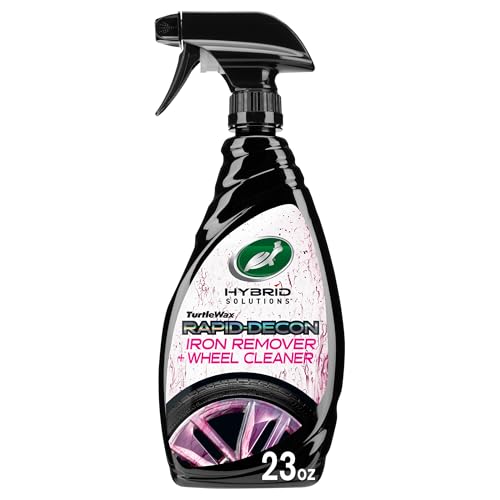
- iron fallout remover for wheels brake dust treatment


Before You Start
Prepare a shaded work area to prevent cleaner drying too quickly. Rinse wheels with water to remove loose dirt, then apply cleaner according to product instructions. Wear protective gloves and eye protection. Avoid drying brake dust on hot wheels to prevent coating damage. Estimate 20–40 minutes for a full wheel cleaning, depending on wheel type and dirt level.
Step-By-Step: How To Clean Brake Dust Off Rims
- Rinse the wheel surface thoroughly with water to loosen loose dust and debris.
- Apply a dedicated wheel cleaner spray for alloy rims, covering the entire rim surface.
- Let the cleaner sit briefly as directed, then use a long-handled wheel brush to agitate brake dust from spokes, lips, and inner barrel.
- For tight gaps or recessed areas, use a smaller detailing brush or the edge of the microfiber mitt to lift dust without scratching.
- Rinse the wheel completely and inspect for remaining fallout, especially near the rotor hat and inner lip.
- If mineral iron fallout remains, apply an iron fallout remover per instructions and rinse after the recommended dwell time.
- Use a rim cleaner gel for chrome or painted wheels on any stubborn spots and scrub gently, then rinse again.
- Dry the wheel with a clean microfiber drying towel to prevent water spots and streaks.
- Repeat for each wheel, then buff with a dry microfiber to enhance shine and remove any remaining moisture.
Troubleshooting
| Symptom | Likely Cause | Fix | Prevention |
|---|---|---|---|
| Residual staining after washing | Wrong cleaner for finish | Switch to a wheel-specific cleaner or gel | Test in a small area first |
| Scratches appearing on rim | Abrasive brush or aggressive scrubbing | Use softer brushes and lighter pressure | Choose non-abrasive mitts for delicate finishes |
| Persistent brake dust in crevices | Dust lodged in spokes or lips | Use long-handled brush and a detailing brush for gaps | Rinse between passes to prevent redeposit |
| Water spots after drying | Hard water or incomplete drying | Dry promptly with a clean microfiber towel | Use a microfiber drying wand for even drying |
Common Mistakes
- Using household cleaners not formulated for wheels, which can strip finishes.
- Applying cleaner on hot rims, causing rapid drying and spotting.
- Rubbing aggressively with stiff brushes that risk scratching chrome or painted coatings.
- Neglecting the inner barrel and behind spokes where brake dust accumulates.
Tips For Best Results
- Always rinse before and after applying cleaners to minimize rubbing dust into the surface.
- Work from the outside edge toward the center to avoid pushing grime into tight areas.
- Pair a cleaner spray with a microfiber mitt for a gentle, effective wipe-down.
- Use iron fallout remover only when needed; follow dwell times precisely to avoid damage.
- Finish with a quick coat of wheel-safe protectant to ease future cleanings.
Call A Professional
Consider a professional if rims show severe oxidation, deep pitting, or persistent staining beyond routine cleaning. Stop and seek help if cleaners cause discoloration, bubbling, or finish peeling. If there is any risk of wheel structural damage or compromised coatings, contact a trained technician.
FAQ
Can I use a tire cleaner on rims?
Prefer wheel-focused products; tire cleaners can slip onto the rim and cause unintended effects on finishes.
Is iron fallout remover safe on all rims?
Iron fallout removers are generally safe when used as directed, but test on a small area first and avoid use on sensitive finishes without confirmation.
How often should I clean brake dust from wheels?
Clean wheels whenever you notice brake dust buildup, typically every 1–2 weeks during heavy driving, or after long road trips.
What tools minimize rim scratching?
A long-handled bristle brush, a soft microfiber mitt, and a non-abrasive wheel gel are ideal for safe cleaning.
Buying Guide
When choosing cleaning supplies for brake dust, consider wheel material, finish, and typical climate. Size and compatibility matter for easy handling and thorough coverage. Look for low-foam formulas that cling to vertical surfaces and are safe on chrome, painted, or alloy rims. Noise and energy efficiency are not primary factors here, but ease of use and drying speed improve the overall experience. Choose a kit that includes a microfiber towel set and a dedicated wheel brush for best results. Finally, assess ease of storage and whether the kit includes protective gloves or liners for repeated use.