Copper kettles bring a warm, classic look to kitchens but require regular care to maintain their luster and prevent corrosion. This guide explains practical methods, safe cleaners, and tools that are well-suited for American kitchens. With the right approach, a dull copper kettle can regain its shine without damaging the metal or finish.
Quick Answer
Best quick method: Use a non-abrasive copper cleaner spray or a copper cookware cleaner and polish, combined with a soft cloth or polishing cloth, and a soft bristle brush for stubborn spots. Rinse thoroughly and dry completely to prevent water spots and tarnish.
What You’ll Need
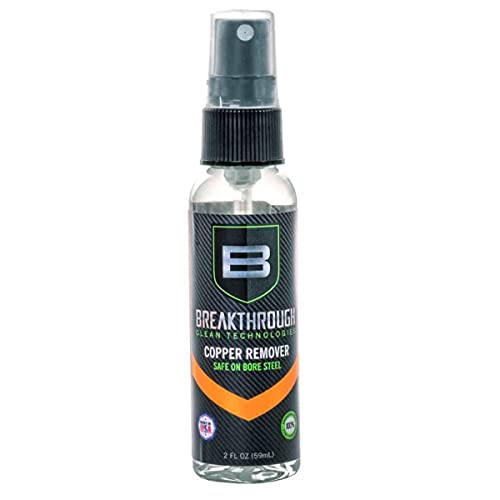
- Non-abrasive copper cleaner spray for cookware
- Copper kettle polishing cloth
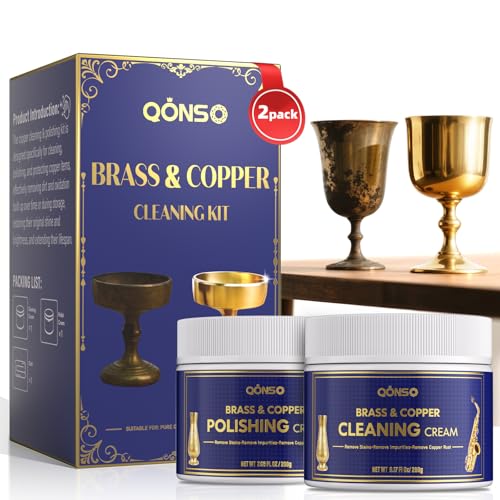
- Copper kettle cleaning kit
- Copper cookware cleaner and polish
- Soft bristle brush for copper kettle cleaning

Before You Start
Before cleaning, ensure the kettle is completely cool and empty. Remove any residual water and unplug any electric components if applicable. Work in a well-ventilated area and wear gloves if you have sensitive skin. Avoid acidic cleaners on antique or lacquered finishes, and never immerse an electric kettle in water. Plan for a 20–40 minute cleaning session depending on tarnish level.
Step-By-Step: How To Clean A Copper Kettle
- Remove loose dust with a dry, soft cloth to avoid scratching the surface.
- Rinse the kettle with lukewarm water to loosen embedded grime.
- Apply a non-abrasive copper cleaner spray for cookware or the copper cookware cleaner and polish according to label directions.
- Gently scrub with a soft bristle brush for copper kettle cleaning, focusing on tarnished areas and seams.
- For stubborn tarnish, make a paste with a small amount of cleaner and water; apply, let sit briefly, then scrub and rinse.
- Rinse thoroughly with warm water, ensuring all residue is removed.
- Dry completely with a copper kettle polishing cloth to prevent water spots.
- Buff the surface in circular motions until the copper regains its shine and the finish is even.
- Optionally, apply a light coat of polish and wipe clean to extend protection between cleanings.
- Store in a dry area; avoid stacking with other metals that can scratch or dull the finish.
Troubleshooting
| Symptom | Likely Cause | Fix | Prevention |
|---|---|---|---|
| Dull, patchy finish after cleaning | Improper polish or uneven buffing | Reapply cleaner and buff evenly with a soft cloth | Use consistent pressure and circular motions |
| Keeps dark tarnish reappearing | Exposure to humidity or acidic foods/solutions | Wipe dry after use, lightly polish after each wash | Store in a dry place and avoid prolonged moisture |
| Scratches visible | Using abrasive tools | Switch to a softer brush and non-abrasive cleaners | Use only recommended tools |
| Needing frequent polishing | Natural patina development | Apply a thin protective polish more often | Regular light cleaning instead of heavy sessions |
Common Mistakes
- Using abrasive pads or steel wool on copper surfaces
- Leaving cleaner residue on the kettle before rinsing
- Cleaning lacquered or antique finishes with harsh chemicals
- Soaking a copper kettle with a copper finish or plating
To avoid these issues, stick to non-abrasive cleaners, rinse well, and follow the product directions closely.
Tips For Best Results
- Test any cleaner on a small, inconspicuous area first to ensure compatibility.
- Use a dedicated soft brush to reach inside spouts and handles without scratching.
- Regular light cleaning after each use helps maintain shine and reduces heavy polishing sessions.
- Polishing cloths designed for copper often leave a protective micro-film that resists tarnish.
- Protect the exterior from high heat and prolonged moisture exposure to preserve finish.
Call A Professional
Consider professional help if the kettle has deep corrosion, etched pits, or a damaged finish that DIY cleaning cannot restore. Seek expert care for antique or highly valuable copper pieces, where improper cleaning could reduce value or cause irreversible damage.
FAQ
Can I use vinegar to clean copper kettles?
Vinegar can be effective for light tarnish but may be too acidic for some finishes. Use it cautiously or opt for a dedicated copper cleaner.
Is lemon juice combined with salt effective for copper cleaning?
Yes, a paste of lemon juice and salt can remove tarnish, but it may be abrasive; rinse thoroughly and dry afterward.
How often should I polish my copper kettle?
Light cleaning after each use and polishing every few months helps maintain shine without overdoing it.
Are commercial copper cleaners safe for enamel interiors?
Always check product instructions; some cleaners are not suitable for enamel interiors or plated finishes.
Buying Guide
When selecting products to clean a copper kettle, consider these factors:
- <bSize: A standard kettle supports easy handling; smaller models may be easier to maneuver during cleaning.
- <bNoise Level: Cleaning sprays are quiet; brushes produce minimal sound, but avoid excessive scrubbing that can scratch.
- <bEnergy Efficiency: This factor is less relevant to cleaning; focus on non-abrasive products that work efficiently and reduce extra cleaning cycles.
- <bControls: None required for cleaning products; choose simple, spray-on or paste formats for quick use.
- <bPlacement: Store in a dry, warm area away from direct sunlight to minimize tarnish between cleanings.
Considering these aspects helps homeowners pick safe, effective cleaners and accessories. Do you prefer a spray, a paste, or a cloth-based approach for your copper care routine?