Quick Answer
Maintaining clean dreadlocks involves regular scalp care, selective cleansing, and using the right products that won’t leave residue. Focus on cleansing the scalp to prevent buildup, and use products designed for dreadlocks to avoid frizz or odor. A balanced routine includes a gentle clarifying step, a damp-wipe rinse, and thorough drying to prevent mildew.
What You’ll Need
Tools and products for a thorough clean include a mix of cleansing options and scalp care items designed for dreadlocks. The list below blends general cleansing with dreadlock-specific care to keep scalp and strands fresh between washes.
- Clarifying shampoo for dreadlocks
- Dreadlock cleansing spray for scalp
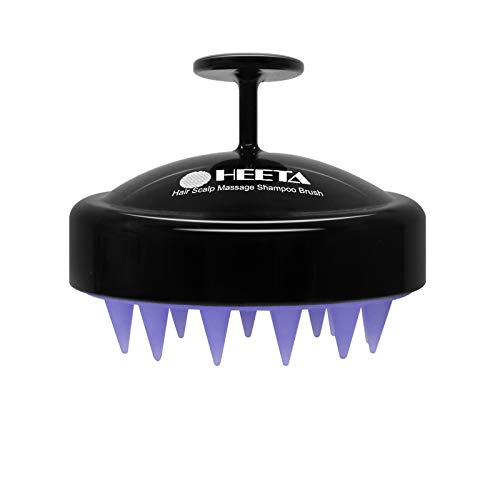
- Scalp exfoliating brush for dreadlocks
- Dreadlock wash brush dual-ended
- Dreadlock shampoo bar for cleansing


Before You Start
Prepare a clean workspace and have towels ready. Loosely section the hair to reach the scalp, but avoid aggressive scrubbing that can loosen dreadlocks. Safety first: if you have sensitive scalp, test a small area with a spray or shampoo bar before full application. Allow time for thorough rinsing to prevent product buildup. Estimate a typical session lasting about 20 to 40 minutes, depending on hair length and thickness.
Step-By-Step: How To Keep Dreadlocks Clean
- Start with warm water to open the scalp pores and loosen buildup.
- Apply clarifying shampoo for dreadlocks to the scalp, avoiding rough rubbing on the strands.
- Massage the scalp gently using a scalp exfoliating brush for dreadlocks to lift dead skin cells.
- Rinse thoroughly, ensuring all shampoo residue is removed from the roots and dread ends.
- For extra cleansing, use the dreadlock shampoo bar for cleansing on the scalp in circular motions, then rinse completely.
- Lightly mist with dreadlock cleansing spray for scalp to balance moisture and freshen between washes.
- Use a dreadlock wash brush dual-ended to distribute products evenly while avoiding tangled sections.
- Pat hair dry with a microfiber towel and squeeze out excess water—do not twist or pull.
- Allow dreadlocks to air-dry fully in a well-ventilated area, or use a low-heat dryer if necessary.
- Follow with scalp care: if itching or buildup returns, repeat cleansing sequence every 1–2 weeks as needed.
- Store tools in a clean, dry space to prevent microbial growth between uses.
- Establish a maintenance schedule that includes a lighter cleanse on non-wash days if needed.
Troubleshooting
| Symptom | Likely Cause | Fix | Prevention |
|---|---|---|---|
| Odor between washes | Buildup or trapped oils | Use clarifying shampoo for dreadlocks; add a light cleansing spray | Rinse thoroughly; avoid heavy products |
| Itchy scalp after washing | Residual product or over-drying | Rinse longer; skip heavy oils on scalp | Limit products used directly on scalp |
| Frizz or unformed roots | Inadequate drying or product distribution | Use dual-ended wash brush; ensure complete drying | Pat dry and allow full air dry |
| Residue on dreadlocks | Sticky residue from sprays or bars | Rinse with extra water; consider alternate cleansing method | Apply lighter products sparsely |
Common Mistakes
- Over-washing or using heavy conditioners directly on dread roots
- Rubbing dreadlocks aggressively, which can cause frizz and shedding
- Skipping thorough rinsing, leaving shampoo or product residue
- Using incompatible products that leave build-up or film
- Not letting locks fully dry, which invites mildew
Tips For Best Results
- Rotate cleansing products to prevent buildup; alternate between a clarifying option and a mild cleanser for dreadlocks.
- Focus cleansing on the scalp; let cleansing formulations travel down the strands without forcing product into the roots.
- Use a scalp exfoliating brush for buildup prevention, but avoid excessive scrubbing that can loosen knots.
- Rinse in sections to ensure no residue hides at the base of each lock.
- Follow with proper drying to prevent moisture retention and odor formation.
Call A Professional
Seek professional help if there is persistent foul odor, unusual itching, visible infections, or mold growth on the scalp or dreadlocks. Stubborn buildup that resists at-home cleansing may require a salon treatment or medical advice.
FAQ
How often should I wash dreadlocks?
Most people cleanse every 1–2 weeks, adjusting for activity level and scalp oil production.
Can I use regular shampoo on dreadlocks?
Regular shampoos can leave residue; choose products labeled for dreadlocks or cleanse with options that rinse clean.
Is a scalp exfoliating brush safe for all hair types?
Yes, when used gently; adjust pressure to avoid scalp irritation.
What should I do if my dreadlocks smell after washing?
Check for remaining buildup and ensure complete drying; consider an additional rinse or a clarifying spray designed for dreadlocks.
Buying Guide
When choosing products to keep dreadlocks clean, consider the following factors to optimize cleanliness and scalp health:
- <bSize and lock type: Shorter, tight locks may require gentler scrubbing and more frequent cleansing, while longer locks benefit from thorough rinsing.
- <bProduct type: Clarifying shampoo for dreadlocks effectively removes buildup; a dreadlock shampoo bar can offer a compact option with good rinse properties.
- <bMoisture balance: Use cleansing sprays to refresh between washes without over-moisturizing the scalp.
- <bScalp care features: Look for exfoliating brushes designed for dreadlocks to support scalp health without damaging locks.
- <bResidue concerns: Ensure products are residue-friendly and rinse clean to prevent buildup that can stiffen or discolor hair.
- <bEase of use: Dual-ended brushes can simplify routine by combining cleansing and distribution in one tool.
- <bFragrance and sensitivity: Opt for fragrance-free or mild scents if you have a sensitive scalp.
Would you like a quick product shortlist tailored to common dreadlock lengths and scalps? A few practical combos can streamline your routine and help maintain clean, healthy dreadlocks.