Painting a brick fireplace can refresh a living space, but proper cleaning is essential for long-lasting results. This guide outlines a practical, step-by-step approach to preparing brick for paint, with safe tool recommendations and practical tips for American homes.
Residents will learn how to remove creosote, dust, and surface grime without damaging the brick. The process emphasizes using appropriate cleaners and tools designed for brick surfaces to ensure a durable finish.
Quick Answer
Clean thoroughly, pre-treat with a masonry cleaner, and scrub with a stiff-bristle brush or wire brush before applying a primer and paint. Use a low pressure sprayer for even application, and finish with a brick-safe scraper to remove stubborn buildup.
What You’ll Need
- Stiff bristle masonry brush for brick fireplace cleaning
- Wire brush for brick fireplace cleaning
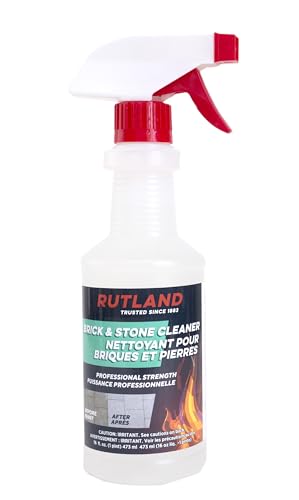
- Masonry cleaner for brick fireplace pre-paint
- Brick fireplace scraper and putty knife for cleaning creosote
- Low pressure sprayer for cleaning brick fireplace before painting


Before You Start
Prepare the area by laying down drop cloths and protecting surrounding surfaces. Ensure the fireplace is cool and vents are open during cleaning. Test a small, inconspicuous area first to verify that cleaners do not damage the brick or mortar. Wear protective eyewear, gloves, and a respirator or mask to guard against dust and chemical fumes. Expect the cleaning to take 2–4 hours depending on buildup and square footage.
Step-By-Step: How To Clean A Brick Fireplace Before Painting
- Remove loose debris from the hearth and brick surface with a dry brush or dustpan.
- Mix a masonry cleaner with water following the product label directions for pre-paint prep.
- Apply the cleaner with a low pressure sprayer for even coverage, avoiding oversaturation.
- Scrub the brick with a stiff bristle masonry brush to lift surface grime, paying attention to mortar joints.
- For stubborn creosote or built-up residue, use a brick fireplace scraper and putty knife to gently lift material from the joints.
- Rinse the area with clean water using the sprayer, ensuring all cleaner residue is removed.
- Repeat cleaning on problem areas until the brick looks uniform and free of soot.
- Allow the brick to dry completely—this may take 24–48 hours depending on humidity and ventilation.
- Inspect the surface; if any loose paint or flaking material is present, remove it with a scraper and re-clean as needed.
- Apply a masonry primer designed for brick surfaces before painting to improve adhesion and coverage.
- Proceed with painting once the primer is dry to the touch, using low-luster or matte finishes for brick aesthetics.
- Ventilate the room during painting and avoid applying heavy coats; multiple thin coats often yield the best finish.
Troubleshooting
| Symptom | Likely Cause | Fix | Prevention |
|---|---|---|---|
| Paint peels after drying | Oil or soap residue blocking adhesion | Re-clean area with masonry cleaner and rinse thoroughly | Rinse and dry completely before priming |
| Streaks or uneven color | Uneven cleaner application or drying | Re-clean, then apply primer evenly | Use a consistent spray pattern and brush in one direction |
| Excess creosote remains | Heavy buildup on joints | Use scraper with light pressure; repeat cleaning | Regular maintenance cleaning before painting |
| Dust reappears after cleaning | Residual dust in porous brick | Brush and vacuum thoroughly, then re-wash | Protect from dust during and after cleaning |
Common Mistakes
- Skipping a proper dry time after cleaning and before priming
- Using a high-pressure spray that drives cleaner into mortar joints
- Using non-brick-safe cleaners that can etch or discolor brick
- Neglecting to wear protective gear or ventilate adequately
Tips For Best Results
- Work in sections to ensure even cleaning and drying across the entire surface
- Reserve a compatible masonry primer specifically formulated for brick before painting
- Test paint color on a small area to confirm a uniform finish across the brick
- Consider a breathable matte or eggshell finish to reduce highlight glare and maintain texture
- Regularly inspect joints for loose material and address before repainting
Call A Professional
Stop and consult a professional if there is extensive structural damage, crumbling mortar, or persistent creosote buildup beyond typical cleaning. Signs that require expert help include deep cracks in bricks, loose or hollow-sounding bricks, or fumes that linger after cleaning. A pro can assess safety risks and ensure proper restoration before painting.
FAQ
Can I clean a brick fireplace with household cleaners?
Use a masonry cleaner designed for brick surfaces to avoid damage; household cleaners may be ineffective or harmful to the brick and mortar.
Is it necessary to remove creosote before painting?
Yes, removing creosote improves paint adhesion and reduces fire risk in chimneys. Use a brick-safe scraper as needed.
How long should the fireplace dry before painting?
Drying time typically ranges from 24 to 48 hours, depending on humidity and ventilation.
What kind of primer should I use on brick?
Choose a masonry primer formulated for brick and masonry surfaces to maximize adhesion and durability.
Can I repaint the same day I prime the bricks?
No. Allow the primer to dry completely according to product instructions before applying paint.
Should I seal the brick after painting?
Sealing is optional for indoor brick; a breathable paint and proper cleaning usually provide adequate protection.
What if paint starts peeling after a few months?
Inspect for moisture intrusion or inadequate priming, re-cleaning, and re-priming before repainting as needed.
Buying Guide
When selecting tools and products for cleaning a brick fireplace before painting, consider size, effectiveness, and safety. A stiff bristle masonry brush and a wire brush can address different levels of grime, while a specialized masonry cleaner ensures proper prep without damaging brick. A low pressure sprayer provides even coverage without pushing cleaner into joints. For difficult creosote, a brick fireplace scraper and putty knife can lift stubborn buildup without harming the brick. Choose a breathable primer and a matte or eggshell finish to preserve texture and ease maintenance. Think about room size, ventilation, and the potential need for touch-ups when planning the project. Matching tools with the fireplace’s material and condition helps ensure durable results and a cleaner painting process.