Brass door knockers add a classic touch to entryways, but tarnish and fingerprints can dull their luster. This guide shows Americans how to safely clean and restore brass door knockers using readily available household tools and a focused brass care routine.
The steps below emphasize practical methods, safe surfaces, and long-lasting results. Whether you’re refreshing an antique piece or maintaining modern hardware, the goal is a bright, protected finish that welcomes guests with curb appeal.
Quick Answer
Remove the knocker from the door if possible, wipe away loose dirt, apply a brass cleaner or paste with a soft cloth, then buff with a polishing cloth until it shines. For intricate details, use a nylon bristle brush gently, and finish with a soft microfiber cloth to seal the surface.
What You’ll Need
- brass door hardware cleaner and polish kit
- brass polishing cloth set for hardware
- nylon bristle brass cleaning brush for door knockers
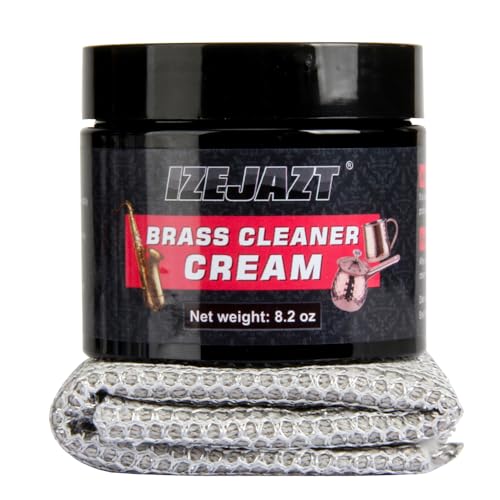
- brass cleaner paste 8 oz for brass fixtures
- soft microfiber cleaning cloths for brass hardware polishing


Before You Start
Prepare a well-lit, ventilated workspace. If the knocker is attached to a painted or plated surface, test a small inconspicuous area first to ensure it won’t affect the finish. Avoid abrasive cleaners and harsh scrubbing, which can scratch brass. Time estimate: 20–40 minutes for a thorough cleaning, plus drying time.
Step-By-Step: How To Clean A Brass Door Knocker
- Remove the knocker from the door if feasible, labeling the screws and hardware to ease reinstallation.
- Wipe away loose dirt and dust with a soft microfiber cloth to prevent scratching during cleaning.
- Apply a small amount of brass cleaner paste to a soft cloth or brush, following the product’s instructions.
- Gently rub the brass surface in circular motions, focusing on tarnished areas and detailed engravings.
- For crevices, use a nylon bristle brass cleaning brush to dislodge buildup without scratching the metal.
- Rinse or wipe away paste residue with a clean, damp microfiber cloth, then dry thoroughly.
- Buff the surface with a brass polishing cloth set for a bright, protective finish.
- If the finish looks uneven, reapply a thin layer of cleaner and repeat the buffing step until uniform.
- Reattach the knocker to the door and wipe down surrounding areas to remove fingerprints and residues.
- Store any leftover cleaner and cloths in a dry, labeled container for future touch-ups.
- Inspect regularly and repeat maintenance every few months to prevent heavy tarnish buildup.
- Optionally apply a light protective sealant to slow future tarnish and make cleaning easier.
Troubleshooting
| Symptom | Likely Cause | Fix | Prevention |
|---|---|---|---|
| Tarnish returns quickly | Environmental exposure | Clean, then apply protective sealant | Wipe with microfiber after rain and avoid moisture traps |
| Streaks after polishing | Residue left on surface | Wipe with a clean microfiber cloth until dry | Use fresh cloths for each step |
| Scratches appear after cleaning | Abrasive cleaner or brush | Switch to non-abrasive paste and soft bristle brush | Test in hidden area first |
| Knocker feels sticky | Cleaning paste residue | Remove residue with damp cloth and dry thoroughly | Rinse thoroughly and dry |
Common Mistakes
- Using abrasive pads or bleach-based cleaners on brass
- Over-wetting the knocker or leaving cleaning solution to sit
- Forgetting to dry completely, which promotes spotting
- Cleaning while the knocker is still mounted on a painted surface, risking finish damage
Tips For Best Results
- Choose a cleaning kit designed for brass to ensure compatibility with chrome or lacquered finishes.
- Test cleaners on a hidden area to verify no discoloration occurs.
- Use a dedicated, soft microfiber cloth for polishing to avoid lint residues.
- For antique knockers, consider a gentler paste and shorter rubbing time to preserve patina where desired.
Call A Professional
Seek expert help if the knocker is heavily corroded, loose, or part of a decorative antique with value. Stop cleaning if metal flaking or structural damage is observed, and consult a hardware or restoration professional to prevent irreversible harm.
FAQ
Can I use everyday household cleaners on brass door knockers?
It is best to use cleaners specifically formulated for brass or a mild brass paste to avoid damage and ensure a safe finish.
How often should I clean a brass door knocker?
Clean whenever tarnish or fingerprints become noticeable, typically every few months depending on exposure.
Is it safe to remove the knocker for cleaning?
Yes, removing the knocker can simplify cleaning and reduce the risk of finish damage on the surrounding door area.
What if the brass has a lacquer finish?
Follow manufacturer guidance, as lacquered brass may require specific products or a careful approach to preserve the coating.
Buying Guide
When shopping for brass care products, consider size, compatibility with brass finishes, and ease of use. Look for a kit that includes a cleaner paste, polishing cloths, and a soft brush for crevices. Evaluate each option on these factors:
- Size and coverage: Choose a paste or kit that suits multiple brass fixtures, including a door knocker.
- Noise and ease of use: Simple, non-abrasive methods reduce effort and risk of scratches.
- Energy efficiency: Not applicable to cleaning, but select products with long-lasting results to minimize re-cleaning.
- Controls and safety: Look for non-toxic, fragrance-free formulas when used in entryways or near living spaces.
- Placement and suitability: Ensure the kit works well on exterior hardware and won’t affect surrounding door finishes.
Considering these factors helps in choosing a kit that delivers consistent results and protects your brass hardware over time. If in doubt, start with a basic brass door hardware cleaner and reinforce with a polishing cloth set for best results.