Find the right tool for removing paint, varnish, glue, and other coatings from wood without scarring the surface. This guide highlights five top wood-scraping tools that balance precision, control, and durability for DIYers and professionals. The best picks cater to woodworkers who need versatile scrapers, compact cards, and carbide blades for tough finishes. Whether you’re refinishing cabinets or preparing trim, these tools help you work smoothly with minimal dust and effort.
Summary table of chosen products
- Bates Choice 10-in-1 Paint Scraper — versatile multi-tool with a wood grip.
- ALLWAY CS6 Soft-Grip Contour Scraper Set — six blades for contour work and tight reveals.
- Onemake 2-1/2″ Heavy-Duty Carbide Scraper — long carbide edge for stubborn coatings.
- DFM Tool Works Rectangle Card Scraper — precision cabinet scraper set for fine finishes.
- Quini Premium Ergonomic Carbide Scraper — ergonomic design with carbide blade for efficiency.
Bates Choice 10-In-1 Paint Scraper
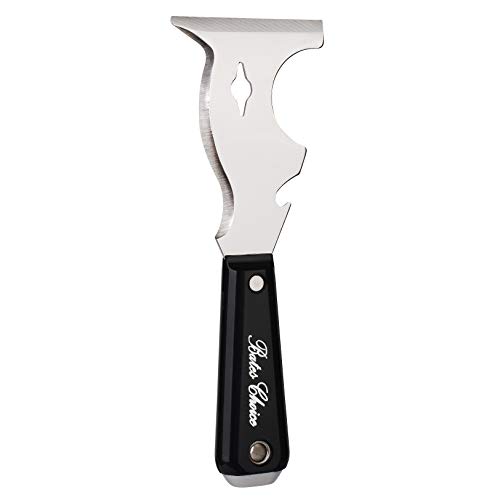
Best for versatile home projects. Bates offers a rust-resistant steel blade with a wood grip and multiple roles—scraping paint, removing putty, and handling spackle. The all-in-one design helps DIYers who want a single tool for common wood refinishing tasks. Best for homeowners tackling small to medium tasks where a flexible multipurpose blade is advantageous.
Who it’s best for: Homeowners doing general paint removal and minor repairs; those who want a single tool that covers several jobs.
Why selected: The 10-in-1 design reduces kit clutter and provides a reliable metal blade with a wood handle for comfortable use. It balances convenience with core scraping capability.
Caution / limitation: Blade versatility may come at the expense of edge precision on ultra-fine wood finishes; consider dedicated fine tools for delicate surfaces.
ALLWAY CS6 Soft-Grip Contour Scraper Set

This set is ideal for contour scraping on curved surfaces and narrow reveals. It includes six stainless-steel blades designed for a variety of moldings and details. The blade storage in the handle and sharpen file add value for ongoing projects. Best for craftsmen who regularly work with ornate edges and needs to swap blades quickly.
Who it’s best for: Woodworkers and painters dealing with contoured profiles, door frames, and intricate moldings.
Why selected: The range of specialized blades supports precise shaping and finish preparation on complex wood surfaces.
Caution / limitation: The kit may be overkill for flat, broad-surface scraping where a single blade would suffice.
Onemake 2-1/2″ Heavy-Duty Carbide Scraper

Best for aggressive coating removal on cured layers like varnish and paint. It features a 2.5-inch carbide edge, a dual-textured grip, and a swivel for two-handed control. The carbide edge provides longer life and better performance on stubborn coatings, reducing the need for repeated passes. Suitable for indoor renovations near finished walls and furniture.
Who it’s best for: Professionals and serious DIYers removing heavy finishes in tight spaces.
Why selected: The extended carbide edge adds durability and efficient cutting through tough layers.
Caution / limitation: Heavier feel may be less maneuverable for very delicate wood surfaces; use lighter pressure on fragile materials.
DFM Tool Works Rectangle Card Scraper

Best for precise cabinet and wood finishing work. This set uses 0.032″ thick high-carbon steel for a sharp edge and durable performance. The long rectangular shape is ideal for flat surfaces, glue removal, and fine finish work. It pairs well with a burnisher for enhanced edge longevity.
Who it’s best for: Woodworkers focusing on cabinetry, fine finishes, and glue removal tasks.
Why selected: The high-carbon steel edge maintains a sharp profile and resists deformation during use.
Caution / limitation: Requires regular sharpening to maintain optimal edge performance on tough residues.
Quini Premium Ergonomic Carbide Scraper

Best for ergonomic efficiency and fast removal of varnish, glue, and stains. It combines a non-slip textured handle, an integrated ball grip for two-handed control, and a carbide blade for sharp cutting. The design aims to reduce hand fatigue in prolonged use and offers precise control for fine finishes.
Who it’s best for: Woodworkers seeking comfort during long scraping sessions and precise material removal.
Why selected: The carbide blade delivers consistent sharpness and durability, ideal for repeated finishing work.
Caution / limitation: The tool’s weight and grip shape may feel bulky for very tight corners; consider a slimmer card scraper for small recesses.
Buying Guide
What to consider when choosing a wood scraper
- Blade material and edge life: Carbide blades last longer on tough coatings but can be harder to sharpen. High-carbon steel edges sharpen easily but wear faster on hard finishes.
- Handle design and grip: Look for non-slip grips and balanced weight to reduce fatigue on larger projects. Ergonomic handles help during prolonged use.
- Blade versatility: Multi-tools cover many tasks, but dedicated blades excel at fine detail or heavy removal. Consider a mix based on your typical projects.
- Surface compatibility: For antique wood or soft finishes, choose tools with delicate-edge control to avoid scratching.
- Maintenance: Some sets include sharpening files or burnishers—these extend blade life and edge accuracy.
Practical purchasing questions
- Should I buy a multi-tool or single-purpose scraper? If you tackle varied projects, a multi-tool helps reduce kit clutter; for repeated, precise tasks, include a dedicated card scraper.
- Is a carbide edge worth it for interior woodwork? Yes for stubborn finishes like varnish or glue; it lasts longer under heavy use but may require more careful handling on soft woods.
- How important is the handle comfort? Very important for long sessions; an ergonomic grip reduces fatigue and improves control.
- Do I need a blade file or burnisher? A burnisher and file help maintain sharpness and edge longevity, especially with steel card scrapers.
Frequently asked questions
- What is the best scraper for cabinets? A card scraper with a high-carbon steel edge works well for precise edges and glue removal on cabinetry.
- Can I use these tools for paint removal on old finishes? Yes, most are designed for paint and varnish removal on wooden surfaces; start with light pressure.
- Are carbide scrapers suitable for delicate wood? They are powerful; use light pressure and test on a hidden area first.
- How do I maintain scraper edges? Regular sharpening with a dedicated file or burnisher extends blade life and accuracy.
- What should I avoid when scraping wood? Avoid aggressive scraping on unfinished or brittle wood to prevent gouging; opt for lighter strokes and finer blades.
- Do I need different tools for curves and flat surfaces? Yes; include contour blades for curves and a rectangular scraper for flat surfaces to improve efficiency.