Yes—using a non-toxic wood wax can protect and revive wood surfaces without exposing your family to harsh chemicals. This guide highlights five top non-toxic options, each suited to different needs such as food-contact surfaces, cutting boards, kitchen tools, and furniture. Whether you want a natural beeswax blend, a plant-based solution, or a mineral-oil–beeswax mix, these picks offer safe, durable results for American homes. The buyer types most served include food-prep spaces, hobbyists, and families seeking kid- and pet-friendly finishes.
| Product | Best For | Why It Stands Out |
|---|---|---|
| Ziruma Non-Toxic Wood Wax Conditioner | Kitchen surfaces, food-contact areas | Beeswax, flaxseed oil, lemon oil; natural, food-safe barrier |
| Premium Food-Safe Beeswax Wood Polish (3.5 Oz) | Chopping boards, furniture upkeep | All-natural, food-safe ingredients; British beeswax |
| Wood Butter Cutting Board Wax (8 fl oz) | Butcher blocks, wooden kitchen tools | Mineral oil and beeswax; USA-made |
| Organic Wood Butter 5oz | General wood finishes, hobby projects | 100% organic ingredients; USA-made |
| Daddy Van’s All Natural Beeswax Furniture Polish | Furniture, cabinets, antiques | Unscented, food-safe, non-toxic finish |
Ziruma Non-Toxic Wood Wax Conditioner

Key ingredients: Beeswax, flaxseed oil, lemon oil. Best For: kitchen surfaces that may contact food. Why selected: Natural, food-safe barrier when cured, with a focus on eco-friendly ingredients. Caution: Ensure complete curing before light use on food areas to maximize safety and performance.
Premium Food-Safe Beeswax Wood Polish & Furniture Wax – 3.5 Fl Oz

Features: All-natural food-safe ingredients; nourishes, restores, and polishes wood; hand-poured beeswax from Wales. Best For: restoring and maintaining cutting boards and kitchen worktops. Why selected: Suitable for daily kitchen maintenance with a focus on food safety. Caution: Small-batch, hand-poured product may vary slightly between batches.
Wood Butter Cutting Board Wax – 8 Fl Oz

Key ingredients: 100% food-safe mineral oil and organic beeswax. Best For: protecting and prolonging life of butcher blocks and wooden kitchen tools. Why selected: Simple, food-safe formulation from a USA-based small business. Caution: Mineral oil component should be refreshed periodically for best results on very dry woods.
Organic Wood Butter 5oz
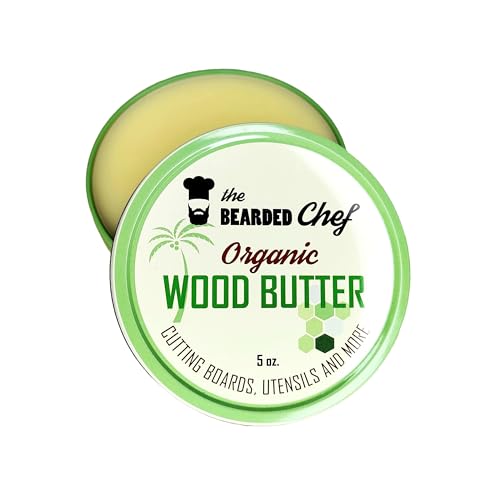
Ingredients: 100% organic. Best For: general wood finishing projects and cutting boards. Why selected: Organic certification and veteran-owned U.S. production add consumer confidence. Caution: Availability may vary by region and batch potency.
Daddy Van’s All Natural Beeswax Furniture Polish
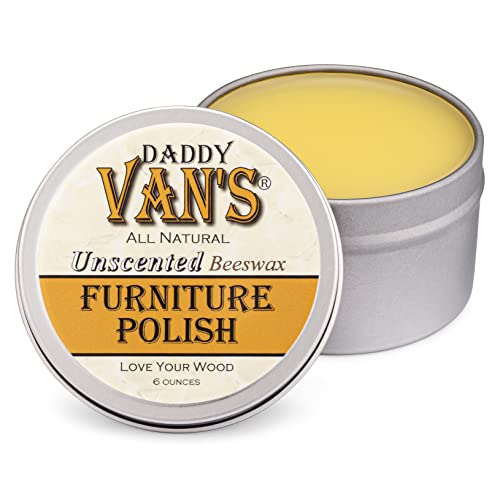
Ingredients: Beeswax and carnauba wax; unscented, zero-VOC formulation. Best For: preserving furniture, cabinets, antiques without odors. Why selected: Non-toxic, food-safe when used on surfaces that may come into contact with food, and suitable for sensitive environments. Caution: May require buffing to enhance luster on older finishes.
Buying Guide
What should you consider when choosing non-toxic wood wax?
- Food safety and ingredients — Look for beeswax or plant-based oils with clear “food safe” labeling if the product will touch cutting boards or prep surfaces.
- Clear curing and odor profile — Some products are unscented or low-odor; others may have natural scents from oils used. Consider sensitivity to fragrances.
- Wood type and usage — For high-traffic furniture or butcher blocks, a durable barrier is important; for decorative pieces, a softer sheen may suffice.
- Application and curing time — Some blends cure faster than others; check if indoors use is recommended without PPE.
- Made in USA or origin — If supporting domestic manufacturing matters, prioritize locally produced products.
- Single-ingredient vs. multi-ingredient — Simpler formulas can be easier to apply; richer blends may offer deeper restoration but come with more variables for curing.
Frequently Asked Questions
- Are non-toxic wood waxes safe for kitchen use? Yes. Look for products labeled food-safe or suitable for food contact surfaces and ensure proper curing before contact with foods.
- What is the main difference between wax-only vs. oil-wax blends? Oil-wax blends often provide deeper penetration and longer-lasting protection, while wax-only finishes can be quicker to apply and buff for sheen.
- Can these products be used on antique wood? Yes, many are formulated to condition and restore, but test on a hidden area first to avoid altering patina.
- Do these waxes require curing time? Most do; some require a drying period to achieve a durable finish. Always follow the product’s curing instructions.
- Are plant-based options as durable as mineral-based ones? Durability can vary by formula. For heavy-use surfaces, choose a product with proven build and a longer curing window.
- How often should I reapply for cutting boards? Reapply as needed when water beads stop beading or wood begins to look dry; routine maintenance is safer with non-toxic products.