Answering the common buyer question: which oil-based paint cleaners deliver effective removal of dried paint, residues, and stubborn buildup while protecting brushes and surfaces? This guide highlights five proven products, clarifying who each is best for and why it’s a solid choice. The top picks are suitable for homeowners, DIY hobbyists, and professionals seeking practical cleaning power without harsh solvents. A quick summary table below helps you compare at a glance.
| Product | Best For | Key Benefit |
|---|---|---|
| Krud Kutter Brush-Wash Cleaner | Latex and oil-based paints on brushes and rollers | Restores stiffness and removes built-up residue |
| Green Piece Paint Brush Cleaner | Natural, non-toxic cleaning for hands and tools | 100% natural formula safe for hands and multiple paint types |
| Oil Eater Original Cleaner | Grease, oil, and heavy stains on washable surfaces | Biodegradable, noncorrosive degreaser |
| Pro Strength Cleaner for Graffiti (Oil Eater) | Exterior walls, vehicles, and signs needing heavy paint cleanup | Pro-grade removal for acrylic and enamel paints |
| Smart ‘n Easy Paint & Varnish Remover Gel | DIY projects with multiple paint layers | Water-based, less caustic, citrus scent |
Krud Kutter Brush-Wash Cleaner and Renewer

- Brand: Rust-Oleum
- Type: Brush cleaner for latex and oil-based paints
- Key Features: Cleans and restores brushes and rollers; removes dried paint and buildup; supports better performance and extends tool life; works on both latex and oil-based paints; revives stiff or hardened brushes by penetrating buildup
Best For: Professionals and DIYers who regularly clean brushes and rollers used with oil-based or water-based coatings. This cleaner is chosen for its versatility across paint types and its emphasis on restoring tool flexibility for future projects. Caution: some materials may require longer soaking for heavy buildup.
Green Piece Paint Brush Cleaner & Restorer

- Brand: Green Piece
- Type: 100% natural, non-toxic formula
- Key Features: Gentle on hands; removes wet or dry paint; safe for acrylic, latex, oil, and shellac; made in USA; biodegradable and eco-friendly
Best For: Buyers prioritizing a natural, non-toxic cleaner that can be used on brushes and hands. Choose this if you prefer a chemical-free solution and work with multiple paint types. Limitation: may require thorough rinsing for stubborn residue to prevent transfer to next coat.
Oil Eater Original Cleaner
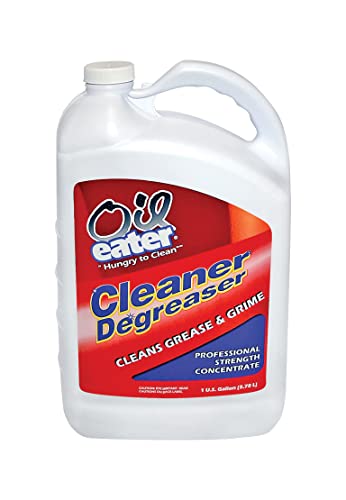
- Brand: Oil Eater
- Type: Degreaser and cleaner
- Key Features: Dissolves grease, oil, and dirt from washable surfaces; USDA approved for certain facilities; biodegradable and noncorrosive
Best For: Users cleaning oily or greasy surfaces in workshops, garages, or kitchens. It handles heavy residues and is suitable when prepping surfaces for painting. Limitation: not specifically designed as a brush cleaner; best used on surfaces or tools rather than as a brush soak for long periods.
Pro Strength Cleaner for Graffiti (Oil Eater)

- Brand: Oil Eater
- Type: Pro-strength cleaner for graffiti, overspray, and paint spills
- Key Features: Removes acrylic and enamel paint from graffiti and overspray; water-based, biodegradable; safe for exterior walls, vehicles, signs, and interior walls
Best For: Environments with heavy overspray or marks on multiple surfaces, including exterior walls and vehicles. Choose this if you need robust removal beyond brushes, and avoid it for latex paints not covered by its panel. Limitation: not designed for latex-based coatings, so select appropriately.
Smart ‘n Easy Paint & Varnish Remover Gel

- Brand: Safe ‘n Easy
- Type: Water-based paint remover gel
- Key Features: Tests recommended; removes acrylic, latex, oil, and water-based paints and varnishes; suited for DIY projects; no caustic chemicals; citrus scent
Best For: Home DIY projects where multiple paint layers must be stripped with a gentler, citrus-scented remover. Choose this if you value a low-risk, user-friendly option with minimal caustics. Limitation: may require more time for very thick layers or multiple coats compared to stronger solvents.
Buying Guide
What should you consider when choosing an oil-based paint cleaner?
- Safety and handling: Do you prefer natural, non-toxic formulas or are stronger solvents acceptable for your project? For homes with kids or pets, lean toward gentler, water-based options.
- Target surfaces: Are you cleaning brushes and rollers, prepping surfaces, or removing overspray and grime from walls or vehicles? Pick a cleaner that aligns with the primary task.
- Paint types: Some cleaners are universal across acrylic, latex, oil, and shellac, while others perform best on specific coatings. Review the product claims to match your paint types.
- Application method: Soak, brush, spray, or wipe—choose a product whose application method fits your workflow and tool availability.
- Environmental impact: Biodegradable and noncorrosive formulas minimize environmental concerns and material damage. Consider cleaners that are biodegradable if disposal is a concern.
- Safety data handling: Some products are USDA approved for certain facilities or are safe for skin; verify the intended use and follow label directions for storage and disposal.
FAQ
- What is the best cleaner for oil-based paint on brushes?
A cleaner that targets both oil-based and water-based paints, like multi-type brush cleaners, is typically best for versatility and brush longevity. - Can I use a degreaser to clean oil-based paint brushes?
Yes, degreasers can help remove oily residues, but ensure the product is suitable for brushes and followed by a rinse to prevent coating residue on future coats. - Is a natural or non-toxic cleaner enough for heavy paint buildup?
For heavy buildup, consider a stronger cleaner with proven solvency; you may still pair it with a thorough rinse and reconditioning of bristles. - Are these cleaners safe for hands?
Some products are formulated to be safe on skin, while harsher cleaners should be used with gloves. Always follow label directions. - Should I choose a remover gel or a brush cleaner?
For brushing tools and light to moderate buildup, brush cleaners work well. For removing multiple paint layers or stains from surfaces, a remover gel or heavier cleaner may be preferable. - Do these products require rinsing after use?
Rinsing is usually recommended to remove residues before the next coat or when brushes are reused.