Keeping a stainless steel sink spotless not only improves kitchen hygiene but also preserves its shine and longevity. This guide presents a straightforward, step-by-step approach using common tools and materials that are readily available in American households. Readers will learn how to remove stubborn stains, mineral deposits, and odors through a focused deep-clean routine.
Quick Answer
For a thorough deep clean, scrub the sink with a stiff scrubbing pad or a stainless steel scrub brush, rinse, apply a mild abrasive cleaner or baking soda paste, then wipe with microfiber cloths. Finish with a light rinse and dry to prevent water spots. Repeat monthly for best results.
What You’ll Need
- Stainless steel sink scrub brush long handle
- Electric rechargeable kitchen scrubber brush
- Nylon bristle sink cleaning brush ergonomic grip
- Stiff scrubbing pad stainless steel sink
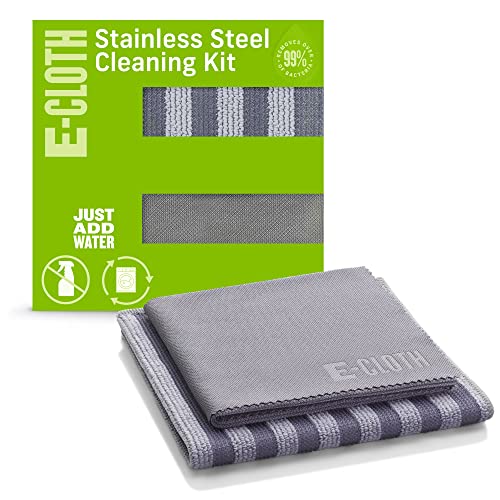
- Microfiber cleaning cloth set for stainless steel sink


Before You Start
Prepare the area by clearing the sink and surrounding countertops. Rinse away loose debris, and protect nearby surfaces with a damp cloth if needed. Time estimate: about 15–30 minutes for a full deep clean, plus 10–15 minutes for maintenance cycles. Important cautions: avoid abrasive cleaners on matte finishes, test cleaners on a small area first, and never mix chlorine bleach with ammonia-based cleaners—both can release dangerous gases.
Step-By-Step: How To Deep Clean A Stainless Steel Sink
- Rinse the sink with warm water to loosen grime and rinse away loose particles.
- Use the stiff scrubbing pad or a nylon bristle brush with ergonomic grip to scrub the entire basin, including corners and the drain area.
- Target tough spots by applying a paste of baking soda and water. Let it sit for a few minutes, then scrub again with the pad until stains fade.
- For mineral deposits and water spots, spray a cleaner designed for stainless steel or a mild vinegar solution, then wipe with a microfiber cloth in the direction of the grain.
- Clean the underside and rim of the sink, using the electric rechargeable kitchen scrubber brush if available for faster coverage.
- Rinse thoroughly with warm water, ensuring all cleaner residue is removed from seams and crevices.
- Dry the sink with a microfiber cloth to prevent water spots and to help maintain a polished finish.
- Polish with a dry microfiber cloth; if desired, apply a stainless steel polish or a light mineral oil to the surface for extra shine and protection.
- Clean the drain and stopper: remove debris, scrub with the brush, rinse, and reassemble.
- Wipe down surrounding countertops, faucet, and any chrome fixtures to remove fingerprints and splashes.
- Establish a maintenance routine: a quick daily wipe and a deeper monthly clean will keep the sink looking like new.
- Dispose of used cleaning materials properly and store tools in an organized manner for next time.
Troubleshooting
| Symptom | Likely Cause | Fix | Prevention |
|---|---|---|---|
| Persistent dull or streaky surface | Residue left from cleaner or water spots | Re-wipe with microfiber cloth after a brief rinse | Dry after each use; wipe in the direction of grain |
| Stubborn lemon-yellow stains | Oxidation or mineral buildup | Apply baking soda paste, let sit, scrub, rinse | Keep surface dry and wipe away moisture promptly |
| Rings around the drain | Soap scum and mineral deposits | Scrub with stiff pad and rinse thoroughly | Regular maintenance to prevent buildup |
| Scratches on surface | Overly abrasive tools | Switch to non-scratch microfiber and nylon brushes | Avoid abrasive cleaners on polished areas |
Common Mistakes
- Using abrasive pads or cleaners on delicate stainless finishes
- Neglecting to dry the sink after cleaning, leading to water spots
- Mixing cleaners that release harmful fumes or residues
- Scrubbing too aggressively around fixtures which can loosen seals
Tips For Best Results
- Keep a dedicated microfiber cloth for stainless steel to prevent lint transfer and streaks.
- Use the long-handle brush to reach the back corners and drain area without leaning over the sink.
- For daily upkeep, a quick pass with a damp cloth and dry wipe reduces the frequency of deep cleans.
- Consider applying a light protective coating or olive oil to a dry surface for added shine and rust resistance.
Call A Professional
Consider calling a professional if you notice deep pitting, persistent discoloration that doesn’t respond to cleaning, or if there are signs of an underlying leak around the sink assembly. Seek a pro for repairs that involve plumbing connections, corroded fixtures, or damaged basin integrity.
FAQ
Can I use bleach on a stainless steel sink?
Bleach is generally not recommended for regular use on stainless steel. It can cause discoloration and remove protective finishes over time.
What’s the best brush for a stainless steel sink?
A stiff nylon-bristle brush or a dedicated stainless steel scrub brush with a long handle works well for reaching corners without scratching.
Is vinegar safe for stainless steel?
Vinegar is safe in moderation for mineral deposits, but avoid prolonged exposure on polished finishes and never mix with bleach.
How often should I deep clean a stainless steel sink?
Typically every 1–3 months, depending on usage; spot-clean daily to reduce buildup.
Buying Guide
When selecting tools and accessories for deep cleaning a stainless steel sink, consider size, ease of use, and material compatibility. A well-chosen set can simplify maintenance and extend the sink’s life.
Key Buying Factors
- Size and reach: A long-handled brush helps reach corners and the drain without bending, while compact brushes are handy for small sinks.
- Material compatibility: Nylon bristles and non-scratch pads protect polished finishes while removing grime.
- Noise and comfort: An electric rechargeable scrubber can speed up cleaning but choose one with adjustable speed and a comfortable grip.
- Effectiveness: A combination of stiff pads and microfiber cloths ensures thorough cleaning and streak-free results.
- Maintenance convenience: Replaceable heads and washable cloths reduce ongoing cost and waste.
- Placement: Store cleaning tools in a dry, accessible location near the sink to encourage regular use.
Choosing the right mix of manual and powered tools helps achieve a thorough, hassle-free deep clean. Do you prefer a quick daily wipe with microfiber cloths and a deeper monthly scrub using a stiff pad, or would you reach for an electric scrubber for faster results? The best approach blends both methods for consistent shine and hygiene.