Brick steps add character to a home, but over time they collect dirt, moss, and soil that dulls their appearance. Proper cleaning restores curb appeal without damaging the brick or mortar. The following guide provides practical, step-by-step methods using common tools and safe cleaners suitable for most exterior brick stairs.
Quick Answer
For routine cleaning, start with a stiff nylon brick cleaning brush and a masonry cleaner spray, then rinse with a garden hose. For stubborn buildup, a pressure washer on a low setting can help, followed by a gentle scrub with a brick cleaning pad or brush. Always test a small area first and avoid high-pressure contact with mortar joints.
What You’ll Need
Gather tools and cleaners to tackle most brick stair cleaning tasks. The goal is to have a balanced kit that can handle light scrubbing to tougher grime.
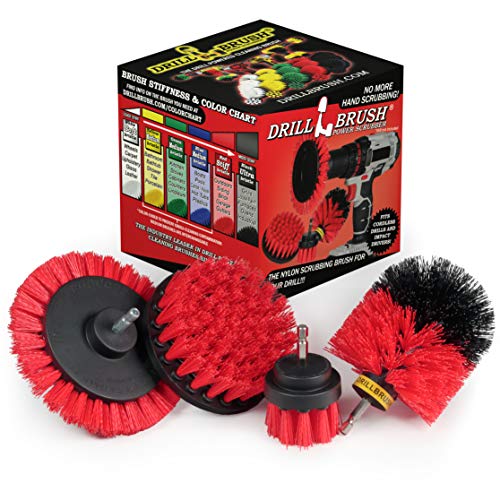
- 12 inch stiff nylon brick cleaning brush for stairs
- Exterior brick steps scrub brush with stiff bristles
- Pressure washer for brick surfaces cleaning steps
- Masonry cleaner spray for brick exterior surfaces
- Brick cleaning pad or pad brush for stair treads


Before You Start
Prepare the work area to protect plants, furniture, and nearby siding. Wet the surface first to minimize dust and use the right spray pattern when applying cleaner. Time estimates vary: light cleaning 30–60 minutes, heavy buildup 1–3 hours depending on stain severity. Avoid using acidic cleaners on calcium-based mortar joints, which can damage stone or brick over time. Wear eye protection and gloves, and never mix cleaners with bleach or ammonia.
Step-By-Step: How To Clean Brick Steps
- Remove loose debris from the stairs with a brush or broom to expose the surface.
- Rinse bricks with water to dampen the surface, reducing dust and improving cleaner adhesion.
- Apply a masonry cleaner spray for brick exterior surfaces per label directions, focusing on discolored areas.
- Scrub with a exterior brick steps scrub brush with stiff bristles or the 12 inch stiff nylon brick cleaning brush for stairs in a circular motion, working from bottom to top.
- For stubborn stains, re-apply cleaner and let it dwell for 5–10 minutes before scrubbing again.
- Rinse thoroughly with a low-pressure spray from a pressure washer for brick surfaces cleaning steps, keeping the nozzle at a safe distance to protect mortar joints.
- Inspect for remaining stains. Use a brick cleaning pad or pad brush for stair treads on focused areas to lift residual grime.
- Allow the stairs to air-dry completely. If efflorescence appears, repeat the cleaning cycle or consider a second treatment.
- Seal dried bricks if desired, following manufacturer recommendations for brick exterior surfaces and ensuring joints are fully dry.
- Proceed with a light final rinse to remove any cleaning residues and restore the natural brick color.
- Dispose of dirty rinse water away from plant beds and storm drains to prevent runoff contamination.
Troubleshooting
| Symptom | Likely Cause | Fix | Prevention |
|---|---|---|---|
| Streaks or light discoloration | Insufficient rinse or uneven cleaner application | Reapply cleaner to affected areas and rinse thoroughly | Apply cleaner evenly and maintain a consistent rinse pattern |
| Efflorescence (white powder) | Water leakage bringing mineral salts to surface | Rinse with clean water and consider a follow-up cleaning after dry weather | Ensure bricks are fully dry before sealing |
| Mortar joints soft or crumbling after cleaning | Overly aggressive brushing or high pressure | Switch to gentler tools and lower pressure; assess joints for repair | Avoid aggressive scrubbing on mortar; spot-test first |
| Persistent mold or mildew | Shade, moisture, and organic growth | Use a mildew-specific cleaner and scrub with brush; ensure drainage is good | Improve drainage and reduce standing moisture around steps |
Common Mistakes
- Using a harsh brush on soft mortar, which can cause chipping
- Applying too much pressure when scrubbing stair treads
- Relying solely on a pressure washer on high settings
- Skimping on rinsing, leaving cleaner residues behind
Tips For Best Results
For optimal outcomes, treat brick steps in stages and test cleaners on a small area first. Maintain a steady workflow from bottom to top to avoid stepping on freshly cleaned sections. If the brick has surface staining from moss or algae, consider a cleaning schedule that includes periodic light maintenance rather than full deep cleanings. When using a pressure washer, start with the lowest setting and adjust only as needed to prevent damage.
Call A Professional
Dial a pro if bricks show cracked or spalling mortar, if cleaning reveals structural issues, or if you encounter extensive efflorescence that recurs after cleaning. Seek help immediately for safety concerns on elevated stairs, delicate historic brickwork, or if you lack proper ventilation when using cleaners.
FAQ
Can I use household bleach to clean brick stairs?
Bleach can be effective for mildew but may not be suitable for all brick surfaces. Use diluted solutions as directed and rinse thoroughly to avoid residue.
Is a pressure washer safe for brick stairs?
Yes, but use a low-pressure setting and keep the nozzle moving to prevent mortar damage.
How often should brick stairs be cleaned?
Light maintenance every 6–12 months is common; deep cleaning is needed when grime or mildew buildup becomes visible.
Should I seal brick stairs after cleaning?
Sealing can protect against moisture and staining, but wait until bricks are completely dry and follow product instructions.
What should I do about efflorescence?
Rinse and, if persistent, repeat cleaning after dry weather; ensure good drainage to minimize recurrence.
Can I clean painted brick stairs the same way?
Painted brick requires gentler cleaning to avoid chipping paint; test a small area and avoid aggressive scrubbing.
Buying Guide
The following factors help compare options for cleaning brick stairs effectively while protecting the structure and surrounding landscaping.
- Size and reach: Choose brushes and pads that cover wide surfaces to speed up cleaning of stair treads; 12-inch brushes offer broad coverage with less effort.
- Brush type and stiffness: For older or delicate brick, a softer brush may reduce mortar damage; for heavy grime, stiffer brushes provide deeper cleaning.
- Cleaning agents: Look for masonry cleaners designed for exterior brick and compatible with your cleaning method; avoid acid blends that can harm mortar.
- Power cleaning options: A pressure washer is optional but effective for hard-to-clean areas; select models with adjustable PSI and nozzle options.
- Pad and brush compatibility: Pad brushes are useful for stair treads to target embedded grime without aggressive scrubbing.
- Noise and energy use: Electric tools are quieter and more energy-efficient than gas-powered options; consider sound levels for neighborhoods.
- Placement and reach: Ensure hoses and cords reach stair locations safely; plan for drainage and water runoff away from plants.
- Maintenance and replacement: Check for wear on bristles and pads; replace worn components to maintain cleaning effectiveness.
With the right tools and a clear plan, cleaning brick steps becomes a straightforward project that can restore curb appeal and extend the life of exterior brick surfaces. Ready to refresh your stairs? Start with a light, staged approach and adjust based on results and brick condition.