Maintaining a wood kitchen table requires a simple daily routine and the right products to preserve its finish. With routine care, a wood table can resist stains, fingerprints, and water marks while maintaining its natural warmth. This guide outlines a practical daily cleaning routine that’s safe for sealed wood and suitable for busy American homes.
Quick Answer
Do a quick daily wipe with a clean, slightly damp microfiber cloth, then buff dry with a dry cloth. For daily care, use a pH-neutral wood furniture cleaner spray or a water-based wood cleaner spray for sealed wood sparingly. Follow up a few times per week with a light wood furniture polish with mineral oil or a beeswax wood conditioner polish to preserve sheen and protection.
The Daily Cleaning Routine
Daily care focuses on removing dust, fingerprints, and minor spills without saturating the wood. A consistent routine helps extend the table’s life and keeps its finish even and smooth. Start with dust control, then address any moisture, and finish with a light protective layer when needed.
What You’ll Need
- pH-neutral wood furniture cleaner spray
- Water-based wood cleaner spray for sealed wood
- Microfiber cloths for wood furniture cleaning
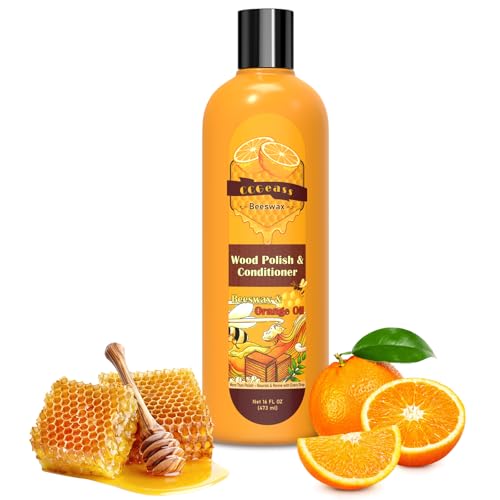
- Beeswax wood conditioner polish
- Wood furniture polish with mineral oil
- Soft, lint-free cloths for buffing


Before You Start
Prepare the area by removing decorative items and ensuring the surface is free of loose debris. Work in a well-ventilated space and avoid saturating the wood. Test any cleaner on a small, inconspicuous area before broad use. Never use harsh chemical cleaners, ammonia, or abrasive pads on a wood tabletop. Allow the surface to dry completely between steps, and keep beverages away from direct contact with unfinished edges.
Step-By-Step: How To Clean A Wood Kitchen Table Daily
- Remove objects and dust the surface with a dry microfiber cloth to lift loose particles.
- Lightly mist a pH-neutral wood furniture cleaner spray onto a microfiber cloth, not directly on the wood, to avoid oversaturation.
- Wipe the tabletop with the cloth in the direction of the grain to remove smudges and fingerprints.
- If you encounter sticky residues, use a slightly damp cloth with a water-based wood cleaner spray for sealed wood and wipe clean.
- Dry the surface immediately with a separate, dry microfiber cloth to prevent moisture from penetrating the finish.
- Inspect edges and corners for water rings; wipe promptly if any moisture is present.
- Optional: Apply a thin layer of beeswax wood conditioner polish or wood furniture polish with mineral oil every few weeks to restore sheen and provide a protective barrier.
- Buff the surface lightly with a soft cloth until it shines and feels smooth to the touch.
- Reposition items and ensure coasters or mats are used under hot or wet dishes to minimize damage.
- Store cleaners and cloths in a dry area away from heat sources to maintain their effectiveness.
- Establish a routine: quick daily wipe, weekly deeper clean, and periodic polish as needed.
Troubleshooting
| Symptom | Likely Cause | Fix | Prevention |
|---|---|---|---|
| Dull or streaky finish after cleaning | Residue from cleaner or improper buffing | Re-wipe with a clean, dry microfiber cloth using minimal cleaner | Use small amounts and wipe in the grain |
| Water rings or dark spots | Moisture penetration or inadequate drying | Blot with dry cloth and ensure complete drying; consider a polish | Use coasters and promptly dry spills |
| Scratches become noticeable | Daily cleaners too abrasive or improper polishing | Switch to gentler products and replace polish with mineral oil option | Apply polish sparingly and buff lightly |
| Finish peeling or cloudiness | Harsh cleaners or over-wetted cloths | Cease use of problematic cleaners and consult a pro if needed | Use pH-neutral cleaners and avoid soaking |
| Sticky residues after cleaning | Over-application of cleaner or old product | Wipe with clean water and follow with dry buffing | Clean small areas at a time to avoid overuse |
Common Mistakes To Avoid
- Cleaning with abrasive pads or acidic/alkaline cleaners that can damage the finish
- Using excessive moisture on the wood, especially near seams and edges
- Neglecting to dry the surface after cleaning, leading to water marks
- Over-polishing, which can create build-up or brightly altered tones
Tips For Best Results
- Dust daily with a microfiber cloth to avoid buildup that attracts more grime
- Apply a thin layer of conditioner or polish every few weeks to maintain luster
- Use protective coasters, placemats, and heat-resistant pads under dishes and cookware
- Test any product in a hidden area before widespread use to ensure color stability
Call A Professional
Consider a professional refinishing if the table shows deep scratches, significant finish wear, or water damage that cleaning cannot resolve. Stop using heavy solvents or attempting to strip and refinish at home without proper guidance.
FAQ
Can I use dish soap to clean a wood kitchen table?
Dish soap can be used sparingly if diluted properly, but it may leave residue. Prefer a dedicated wood cleaner for daily care.
How often should I polish my wood table?
Polish every 2–6 weeks, depending on use, to maintain shine and protection without buildup.
Is water-based cleaner safe for all finishes?
Water-based cleaners are generally safe for sealed, finished wood, but always test first on a hidden area.
What should I do about stubborn stains?
Gently blot with a mild cleaner or a mixture recommended by the cleaner’s manufacturer; avoid harsh scrubbing.
Buying Guide
When choosing products for daily wood table care, consider the following factors to balance cleaning power with protection.
- Size and finish compatibility: Ensure cleaners are formulated for sealed wood or your specific finish.
- Noise level: Cleaning products are quiet in use; consider spray trigger bottles for ease of use and minimal friction.
- Energy efficiency: Not directly applicable to cleaners, but choose products with low environmental impact and safe ingredients.
- Controls and dispensing: Look for spray bottles or cloth-friendly formats that allow precise application and minimal waste.
- Placement: Store cleaners out of reach of kids and away from heat sources; keep cloths dry and ready near the table.
- Durability and finish care: Use a mix of pH-neutral cleaners and conditioning polishes to extend the life of the finish.