Cleaning coins, including dollar coins, requires a careful approach to avoid scratching or damaging the surface. This guide outlines practical, safe steps to refresh coins without compromising their value or integrity. The focus is on gentle cleaning using non-abrasive products and common tools available to most collectors.
The goal is to remove loose dirt and grime while preserving patina and preventing corrosion. Readers should weigh the need for cleaning against the potential impact on collectible value. For circulating or modern dollar coins, cleaning is typically safe if done with care and non-abrasive methods. For rare or historically significant pieces, consult a professional before attempting any cleaning.
Quick Answer
Best practice: Use non-abrasive solutions and soft tools, avoid harsh chemicals or rough abrasives, and never scrub with metal brushes. For routine refreshing, start with a microfiber cloth, then a gentle non-abrasive solution, and finally polish with a soft cloth. Reserve ultrasonic cleaning or a coin tumbler for experienced users and only with coins that won’t lose value.
What You’ll Need
Having the right supplies helps ensure a safe cleaning process. Gather tools and materials that minimize abrasion and chemical risk.
- Coin cleaning kit nylon brush non-abrasive solution set
- Ultrasonic cleaner for coins safe for dollar coins
- Soft microfiber cloth for coin polishing and cleaning
- Non-abrasive coin cleaning solution for US dollars
- Coin tumbler polishing kit for coins


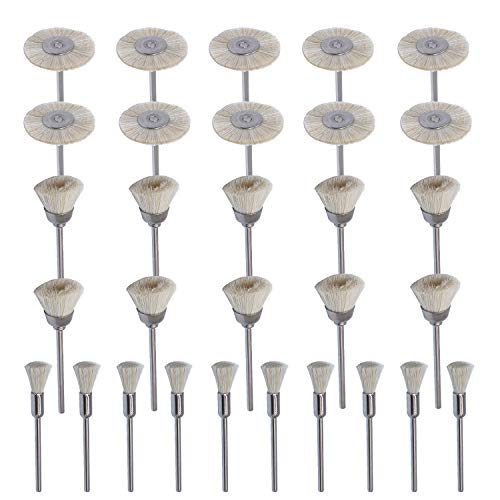
Before You Start
Before handling any coins, wash hands to remove oils. Work over a soft, clean surface to prevent drops or scratches. If coins are heavily encrusted, consider soaking rather than scrubbing. Do not use strong acids, abrasive pads, or metal tools, which can scratch the surface or alter patina. Time estimates vary: light cleaning might take 5–10 minutes, while more thorough sessions could take 20–30 minutes.
Step-By-Step: How To Clean A Dollar Coin Safely
- Inspect the coin under bright light to identify surface marks and dirt buildup.
- Rinse the coin briefly under lukewarm water to loosen loose debris.
- Apply a small amount of non-abrasive coin cleaning solution to a soft microfiber cloth and gently wipe the surface.
- For stubborn grime, use a nylon brush with light, circular motions. Do not apply heavy pressure.
- Rinse again with lukewarm water to remove soap residue.
- If using an ultrasonic cleaner, place the coin in a dedicated, non-metallic container with a mild solution, and run a short cycle as recommended by the cleaner’s instructions.
- Dry the coin carefully with a clean microfiber cloth. Avoid rubbing to prevent micro-scratches.
- If desired, buff the coin lightly with a separate soft cloth to restore a gentle shine.
- Inspect the coin for remaining residue. Repeat cleaning steps only if needed and gentle; excessive cleaning may dull finish.
- Store cleaned coins in a breathable, lined container or holder to prevent new grime buildup.
- Document any notable changes in appearance and skip further cleaning on coins with potential value concerns.
- Keep a log of cleaning sessions for future reference and to track any evolving concerns.
Troubleshooting
| Symptom | Likely Cause | Fix | Prevention |
|---|---|---|---|
| Dull finish after cleaning | Over-polishing or abrasive contact | Switch to lighter cloth, avoid polishing too aggressively | Use non-abrasive methods and soft materials |
| Streaks or water spots | Improper drying or mineral deposits | Dry with a lint-free microfiber and warm, clean water rinse | Rinse thoroughly and dry promptly |
| Scratches or micro-scratches | Rough brushes or abrasive cleaners | Cease heavy cleaning; use only milder tools | Keep brushes clean; never reuse abrasive pads |
| Soapy residue remains | Soap not fully rinsed | Rinse thoroughly in lukewarm water | Rinse immediately after cleaning |
| Coin tarnish returns quickly | Environmental exposure | Consider archival storage and minimal handling | Store in stable, low-humidity conditions |
Common Mistakes
- Using household cleaning agents with acids, ammonia, or chlorine.
- Scrubbing aggressively with metal brushes or stiff bristles.
- Cleaning rare or valuable coins without professional guidance.
- Relying solely on a single cleaning method for all coins.
Best results come from a staged approach, starting with gentle cleaning and stopping if any risk appears to the coin’s surface.
Tips For Best Results
- Test any cleaner on a small, inconspicuous area if possible.
- Prefer non-abrasive solutions and dedicated coin care tools over household cleaners.
- Limit cleaning sessions to prevent wear on the coin’s surface and patina.
- Store coins away from moisture, heat, and direct sunlight to preserve cleanliness longer.
Call A Professional
Consider consulting a professional coin conservator or numismatist if a coin exhibits:
- Deep scratches, corrosion, or pitting
- Significant value or historical importance
- Uncertain authenticity or delicate patina
Professional evaluation helps prevent irreversible damage and preserves potential value beyond standard cleaning risks.
FAQ
Can I use ultrasonic cleaning for all dollar coins?
Ultrasonic cleaning can be effective but should be used cautiously. Only use it with coins that won’t suffer surface damage, following the cleaner’s guidelines for timing and solution concentration.
Is it safe to clean modern circulation dollars?
Yes, with non-abrasive methods and gentle tools. Avoid aggressive scrubbing or harsh chemicals that may remove mint marks or surface details.
Will cleaning affect a coin’s value?
Cleaning can impact value, especially for rare or historic coins. When in doubt, seek professional advice before proceeding.
What storage helps keep coins clean longer?
Store coins in breathable holders, away from humidity and temperature fluctuations, and handle with clean, dry hands or gloves.
Buying Guide
When shopping for coin cleaning equipment, consider size, noise level, energy efficiency, controls, and placement to fit a home hobby setup.
- <bSize and capacity: Choose devices that fit the number of coins you clean regularly without being bulky.
- <bNoise level: Quieter tools improve comfort for longer sessions.
- <bEnergy efficiency: Look for energy-saving features in electric cleaners and tumblers.
- <bControls: Simple, clear controls help prevent user error during delicate tasks.
- <bPlacement: Ensure a stable surface with good ventilation and easy access to water.
For most hobbyists, a small ultrasonic cleaner paired with a non-abrasive cleaning solution and a soft microfiber cloth offers a balanced combination of safety and effectiveness. A coin tumbler may be appropriate for polishing a larger collection, but it should be used with caution and only on coins that won’t be harmed by tumbling.