Keeping a lawn clean involves more than mowing. Properly handling grass clippings and debris can improve turf health, reduce pests, and make outdoor spaces look tidy. This guide covers practical methods and tools to clean grass efficiently, from collection to disposal and post-mow cleanup.
Quick Answer
Best quick method: mow regularly with a sharp blade, collect clippings with the right tools, and use a leaf blower or lawn sweeper for larger lawns. For patios and driveways, a pressure washer helps remove embedded grass and dirt after mowing.
What You’ll Need
- lawn mower grass catcher bag
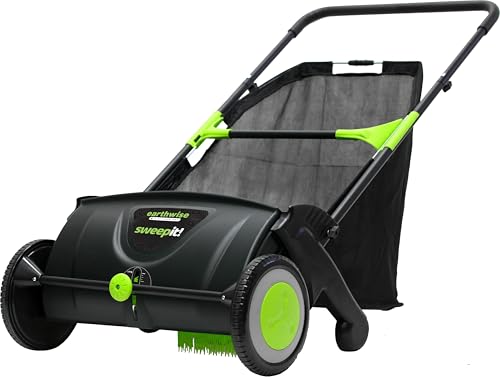
- lawn sweeper for grass clippings
- thatching rake for lawn cleaning
- power leaf blower vacuum for lawn cleanup
- pressure washer for patio and driveway cleaning after mowing


Before You Start
Prepare the mowing area by removing obstacles and ensuring the grass is not overly wet. Inspect tools for wear and clean air intakes before use. Safety notes: wear eye protection, gloves, and sturdy footwear. Time estimate: 30–90 minutes depending on lawn size and infrastructure. Critical cautions include avoiding wet, slippery surfaces and never using a leaf blower indoors or in enclosed spaces.
Step-By-Step: How To Clean Grass Clippings
- Sharpen the mower blade and set the deck height to remove only the top third of the grass, reducing clumping.
- Mow in a consistent pattern to prevent missed strips and redistribute clippings evenly.
- Attach the lawn mower grass catcher bag if you want tidy, bagged clippings for compost or disposal.
- For larger lawns, use a lawn sweeper for efficient collection of scattered clippings and debris.
- After mowing, use a thatching rake to loosen thatch buildup and draw out compacted debris from the turf surface.
- Run a power leaf blower vacuum to gather remaining debris from walkways, flower beds, and lawn edges.
- Inspect the lawn for embedded clumps; pick them up by hand if necessary to prevent thin, bare patches.
- Rinse hard surfaces, such as sidewalks and patios, with a pressure washer to remove dried grass and soil residue.
- Dispose of clippings according to local guidelines or add them to a compost system if appropriate.
- Inspect the lawn after cleanup and note any problem areas like compacted soil or weeds for follow-up care.
- Store tools clean and dry, ready for the next mowing cycle.
Troubleshooting
| Symptom | Likely Cause | Fix | Prevention |
|---|---|---|---|
| Clippings get stuck in the mower | Dull blade or high blade pitch | Sharpen or replace blade; adjust deck height | Regular maintenance; mow when grass is dry |
| Clippings scatter everywhere | Weak catcher bag or overloaded mower | Empty bag more often; check for holes in bag | Light, frequent mowing sessions |
| Thatch buildup persists | Excess thatch or dense turf | Use a thatching rake and consider core aeration | Periodic dethatching as part of lawn care |
| Edges remain dirty after mowing | Clippings flung onto borders | Use a blower along edges or a edging tool | Trim edges after mowing |
| Driveway or patio looks muddy after cleanup | Dirt ground into surface | Pre-wet surfaces and use a stiff brush with a pressure washer | Clean promptly after mowing to prevent buildup |
Common Mistakes
- Leaving the mower blades dull; dull blades shred grass rather than cut cleanly
- Overloading the grass catcher bag, causing clogging and poor collection
- Ignoring edges and corners where clippings accumulate
- Forgetting to rake the thatch layer, which can smother new growth
- Neglecting post-mow cleaning of hard surfaces, leading to slippery buildup
Tips For Best Results
- mow when the grass is dry for optimal bagging and less clumping
- Alternate mowing patterns to avoid compacting soil in a single direction
- Use the lawn sweeper on calm days to maximize collection efficiency
- Pair a blower with a vacuum attachment for thorough debris removal from hard-to-reach areas
- Schedule periodic dethatching and aeration to maintain soil health
Call A Professional
Consider a pro if there are persistent issues such as severe thatch buildup, compacted soil, or recurring weed patches that do not respond to routine cleanup. Stop and seek help if power equipment shows unusual noises, overheating, or unstable operation. For large properties with complex landscaping, a landscape contractor can offer efficient, scalable cleanup solutions.
FAQ
What is the best way to collect grass clippings?
Use a dedicated lawn mower grass catcher bag or a lawn sweeper for efficient collection, depending on lawn size and layout.
Should I rake or mulch grass clippings?
Mulching returns nutrients to the soil, while raking is useful for removing thick thatch or debris for tidy beds.
Can I use a power leaf blower for lawn cleanup?
Yes, a blower helps gather leftover clippings and debris from hard-to-reach areas, but use caution around neighbors and windows.
When should I use a pressure washer after mowing?
Use a pressure washer to clean patios, driveways, and outdoor surfaces that accumulate grass, soil, and residue.
Is dethatching necessary every season?
Not every season, but periodic dethatching improves airflow and turf health, especially on dense lawns.
How often should I mow to keep clippings manageable?
Regular mowing that avoids cutting more than the top third of blade height helps control clippings and promotes healthy growth.
Buying Guide
When choosing tools for cleaning grass, consider size, noise, energy use, and placement of devices in your yard. For small to medium lawns, a compact lawn mower with a catcher and a handheld blower may suffice. For larger properties, a lawn sweeper paired with a leaf blower can speed up cleanup, while a pressure washer makes post-mow maintenance easier on patios and driveways. Look for adjustable nozzles, durable hoses, and easy-to-clean bags. Consider storage space and whether you’ll need mobile power sources for remote areas. Energy efficiency and noise levels matter for neighborhood living; quieter models with efficient engines reduce disruption.