Low‑volume vinyl tile (LVT) flooring combines durability with style, but it still needs the right approach to stay shiny and long‑lasting. This guide covers practical, American‑user friendly methods for cleaning LVT, using common tools and products. It emphasizes safe practices that protect finishes while removing dirt, dust, and grime.
Quick Answer
Choose a gentle cleaning method first—a microfiber flat mop with a mild cleaner is typically enough. For stubborn spots, use a soft scrub brush on grout lines or a mild cleaner with a steam mop, but avoid soaking the floor and never use harsh solvents or abrasive tools.
A Quick Overview Of Tools And Materials
Keeping LVT clean relies on the right combination of tools and cleaners. The following items cover routine maintenance and occasional deep cleaning.
- Microfiber flat mop for LVT floors — ideal for quick, residue‑free cleaning
- LVT vinyl plank floor cleaner solution — formulated for vinyl finishes
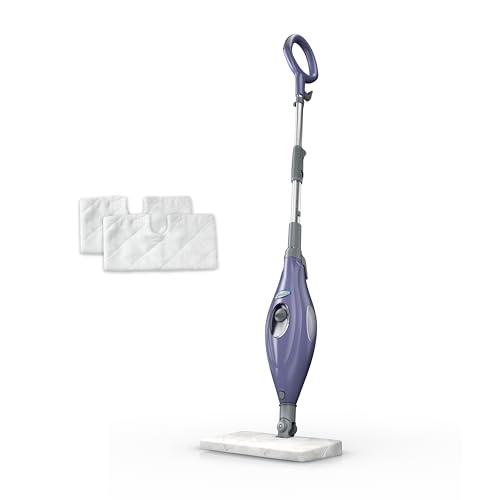
- Steam mop for vinyl plank floors — for deeper sanitizing when used per manufacturer guidance
- Scrub brush for vinyl tile floor grout lines — helps with grout‑inset grime
- Bucket with wringer for vinyl tile floor cleaning — makes rinsing efficient


Before You Start
Prior to cleaning, prepare the space and review safety notes. Remove loose debris with a dry dust mop or microfiber dry pad to minimize scratching. If you have pets or small children, keep doors closed during cleaning sessions. Always test cleaners on a small, inconspicuous area to confirm no dulling or discoloration occurs. Time estimates vary: a routine wipe‑down takes about 15–20 minutes per room; a light deep clean may take 30–45 minutes depending on floor area and grout condition. Avoid soaking the floor—excess water can seep into seams and loosen edges.
Step-By-Step: How To Clean LVT Safely
- Remove all furniture and loose items from the room to create an open cleaning area.
- Dry sweep or vacuum to collect dust, hair, and grit; use a vacuum without a beater bar on sensitive LVT finishes.
- Fill a bucket with warm water and add the LVT vinyl plank floor cleaner solution following label directions; never mix cleaners.
- Attach a microfiber flat mop for LVT floors and dampen it lightly—avoid soaking the mop head.
- Start mopping from the farthest corner and work toward the exit, using a figure‑eight or straight‑line motion to lift dirt without pushing dirty water around.
- For grout lines or stubborn spots, apply a small amount of cleaner directly and scrub gently with the scrub brush for vinyl tile floor grout lines.
- Rinse the mop frequently in the bucket with wringer for vinyl tile floor cleaning to prevent reapplying dirty solution.
- After cleaning, go over the floor with a dry microfiber pad to remove remaining moisture and prevent streaks.
- For occasional deeper sanitation, a steam mop for vinyl plank floors can be used if the manufacturer allows it; use the lowest steam setting and avoid standing water.
- Reassemble furniture once the floor is completely dry to prevent new marks on a damp surface.
- Store cleaners and tools in a cool, dry place, away from direct sunlight to preserve their formulations.
Troubleshooting
| Symptom | Likely Cause | Fix | Prevention |
|---|---|---|---|
| Streaks or dull patches | Residue from cleaner or excess moisture | Rinse with clean water and dry thoroughly | Use a damp—not wet—mop and a small amount of cleaner |
| Sticky feel after cleaning | Heavier residue or too much cleaner | Rinse area with clean water and dry | Use the recommended cleaner concentration |
| Scratches when cleaning | Abrasive tools or rough pads | Switch to a soft microfiber pad and gentle brushes | Maintain soft cleaning tools; avoid steel brushes |
| Watermarks after drying | Uneven moisture or high humidity | Dry floors thoroughly with a microfiber cloth | Ventilate room during cleaning |
Common Mistakes To Avoid
- Using aggressive brushes or steel wool on LVT surfaces
- Applying large amounts of water or letting liquid pool on seams
- Using strong solvents like bleach or ammonia on vinyl without manufacturer approval
- Skipping a test patch before full application of cleaners
- Overlooking the grout lines in the case of grout‑inclusive LVT installations
Tips For Best Results
Regular light cleaning keeps LVT looking like new longer than occasional heavy scrubs. If possible, clean high‑traffic areas more often to prevent embedded dirt. When selecting a cleaner, look for pH‑neutral formulas specifically labeled for vinyl floors. Consider using a microfiber flat mop for LVT floors for even coverage and reduced drag. Always follow the heat and moisture guidelines provided by the floor manufacturer to avoid voiding warranties.
When To Call A Professional
Consider hiring a professional if the floor shows deep discoloration, persistent staining, or warping near seams. Stop cleaning attempts if the surface becomes tacky, or if the grout lines appear damaged or moldy. Signs that require expert assessment include bonded wear patterns, water damage, or significant edge lifting. Professionals can provide remediation strategies and assess whether the floor needs resealing or replacement.
Frequently Asked Questions
Can I use a steam mop on all LVT floors?
Many LVT surfaces tolerate steam cleaning when manufacturers approve it; always check the product label and test in a hidden area first.
Is it safe to wet mop LVT?
Lightly damp mopping with a mild solution is generally safe. Avoid soaking the floor and never let standing water remain for long.
What cleaners are best for LVT?
Use pH‑neutral, vinyl‑floor‑specific cleaners. Avoid abrasive or solvent‑heavy products unless the manufacturer approves them.
How often should you deep clean grout lines in LVT?
When grout lines are visibly soiled or stained, perform a targeted scrub with a soft brush and appropriate cleaner, then rinse and dry thoroughly.
Buying Guide
Choosing the right cleaning setup for LVT involves evaluating size, noise, energy use, and placement. Consider how often you clean, the floor’s foot traffic, and whether you prefer a quick wipe‑down or periodic deep cleans. Noise level matters for homes with sleeping areas or open floor plans. Energy efficiency is particularly relevant for steam mops and powered cleaning tools. Look for controls that are intuitive and easy to calibrate, such as adjustable mop heads or steam settings. For placement, decide if you want a compact, easy‑to‑store system or a full cleaning kit with a wringer bucket and separate tools to reach grout lines. In sum, match tool capability to floor area and cleaning frequency to keep LVT looking fresh without risking damage.