Fabric couches often endure spills, pet accidents, and general grime. A targeted spot-cleaning routine can refresh upholstery without a full deep-clean. This guide outlines practical steps, safe supplies, and common-sense tips for American homes using common cleaning tools.
Readers will learn how to assess fabric, choose suitable products, and apply a methodical process that minimizes risk to delicate fibers. The focus is on quick, effective spot cleaning with accessible equipment that can be found in many households or local stores.
Quick Answer
For most fabric couches, blot spills immediately, treat with a fabric-safe spot cleaner, and use a gentle brushing motion. If stains persist, consider a portable upholstery cleaner or handheld steam cleaner with the appropriate attachment to lift embedded residues without saturating the fabric.
What You’ll Need
- Handheld upholstery steam cleaner
- Upholstery cleaning brush kit
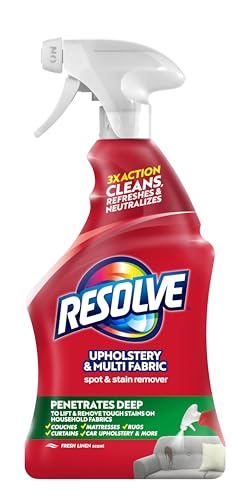
- Fabric couch stain remover spray and brush
- Portable upholstery cleaner machine
- Upholstery spot cleaning attachment for steam cleaner


Before You Start
Before cleaning, check the couch tag for care instructions (W, S, WS, or X). Test any product in an inconspicuous area to ensure colorfastness. Act quickly on spills to prevent setting. Work in a well-ventilated room and wear gloves to protect skin. Allow treated areas to dry completely before use. This process typically takes 30 minutes to a few hours, depending on fabric and drying conditions.
Critical cautions include avoiding soaking the fabric, never applying cleaners directly to wood or metal components, and keeping electrical equipment away from water. If the couch contains delicate fibers (silk, viscose, or suede), consider professional cleaning to avoid damage.
Step-By-Step: How To Spot Clean A Fabric Couch
- Identify the stained area and its fabric type by checking the care tag and test a small hidden spot with a fabric couch stain remover spray on a microfiber or cotton panel first.
- Blot, don’t rub, any fresh spills with a clean, dry cloth to lift surface moisture without pushing the stain deeper.
- Apply a light mist of cleaner to a cloth or to the stain remover spray itself, and gently dab the stained area. Do not oversaturate the fabric.
- Use a soft upholstery cleaning brush kit to lift soil in a circular motion. Work from the outside edge toward the center to avoid spreading the stain.
- If using a portable upholstery cleaner machine, follow the manufacturer’s instructions to apply a small amount of cleaning solution and extract with the attached wand, ensuring you do not leave pools of liquid behind.
- For embedded stains, attach the upholstery spot cleaning attachment for steam cleaner and use a light cleaning cycle on a low heat setting to lift grime without harming fibers.
- Rinse the treated area by blotting with a clean, damp cloth to remove cleaner residue. Press gently to avoid fiber distortion.
- Allow the couch to air dry, ideally with good airflow or a fan directed at the spot. Avoid direct sunlight that can fade colors.
- Check the area after drying. If the stain persists, repeat the steps once more or move to a specialized stain remover spray designed for the fabric type.
- Once dry, brush the area lightly with the upholstery brush to restore nap and even texture.
- Dispose of used cloths and rinse tools after cleaning to prepare for next use.
- Maintain regular spot-cleaning routine to prevent buildup and extend fabric life.
Troubleshooting
| Symptom | Likely Cause | Fix | Prevention |
|---|---|---|---|
| Stain not lifting after cleaning | Stain set in or fabric resistant | Apply a second treatment with appropriate product; consider a steam attachment | Treat spills promptly; test cleaners first |
| Rings or watermarks | Uneven moisture exposure | Blot evenly with damp cloth, then dry with airflow | Use minimal moisture and avoid overwetting |
| color fading after cleaning | Aggressive cleaner or sun exposure | Switch to milder cleaner and dry in shade | Test in hidden area; avoid prolonged sun |
| Fabric fibers fraying | Over-aggressive scrubbing | Use gentler strokes and a softer brush | Regular, gentle cleaning |
| Suds or residue left behind | Over-foaming cleaner | Blot with damp cloth until residue is gone | Use minimal product and rinse well |
Common Mistakes
- Rubbing stains aggressively, which can spread them or embed fibers
- Over-saturating fabric with water or cleaners
- Skipping a patch test on a hidden area
- Using the wrong cleaner for the fabric type
- Neglecting to fully dry treated spots, which can lead to mildew
Tips For Best Results
- Work from the outside of the stain toward the center to prevent spreading
- Blot, don’t rub, to lift moisture and soil
- Use a brush with soft bristles to avoid fiber damage
- Keep a consistent cleaning rhythm for different spots to avoid patchy results
- Ventilate the room and use fans to speed drying time
Call A Professional
Seek professional help if stains are widespread, involve dye transfer from colored fabrics, or if the couch is tagged with X (do not clean). Also contact a pro if the fabric is delicate (silk, suede) or if the upholstery contains hidden springs or foam that may be damaged by home cleaning methods.
FAQ
Can I use a steam cleaner on all fabrics?
Steam cleaners work on many fabrics, but not on all. Always check the care tag and perform a patch test before proceeding.
What should I do for red wine spills?
Blot, then apply a fabric-safe stain remover. Use a steam-assisted attachment if recommended for the fabric and rinse well.
Is it safe to use household spray cleaners on upholstery?
Use cleaners labeled for upholstery and test a hidden area first to avoid color fading or fiber damage.
How long does spot cleaning typically take?
Drying times vary, but most spots dry within 30 minutes to a few hours depending on humidity and fabric type.
Do I need to clean every few months?
Regular spot cleaning helps maintain appearance between deep cleans and prevents stubborn stains from setting.
Should I vacuum before spot cleaning?
Vacuuming to remove loose dirt can improve results before applying cleaners.
Buying Guide
When choosing tools for spot cleaning a fabric couch, consider size, noise level, energy efficiency, controls, and placement. For many households, a handheld upholstery steam cleaner paired with a dedicated upholstery cleaning brush kit provides versatility for quick spot cleanups and occasional refreshes. A portable upholstery cleaner machine can handle larger areas, while a dedicated upholstery spot cleaning attachment for steam cleaner expands cleaning options for embedded stains. Ensure the equipment is compatible with your fabric tag (W, S, WS, or X) and has adjustable pressure and heat settings to protect delicate fibers. For apartments or homes with limited storage, compact, lightweight units are advantageous. Consider a model with replaceable brushes and easy-to-clean reservoirs to reduce downtime between cleanings.>