For homeowners facing dry rot or soft, damaged wood, choosing the right treatment is essential to restore integrity and prevent further deterioration. This guide highlights five reliable products designed to stop rot, harden damaged fibers, and protect wood over time. Each option is suitable for different situations—from quick consolidations to long-term restorations—so you can pick the best fit for your project. The selections target common needs such as interior trim, window sills, beams, and structural wood components. Below is a quick buying guide table to compare key points before diving into product details.
| Product | Best For | Why It Stands Out |
|---|---|---|
| PC-Petrifier Water-Based Wood Hardener | Rot-damaged wood needing deep penetration | Penetrates pores; easy brush/spray/injection; no mixing |
| Bondo Rotted Wood Restorer | Soft, spongy rotted wood | Restores by penetrating and hardening; ready for filler |
| PC-Woody Wood Repair Epoxy Paste + Petrifier Kit | Comprehensive repair kits | Bundle for hardening and filling; versatile for many areas |
| System Three Rotfix | Epoxy-based wood restoration | Low-viscosity sealer and consolidant; reliable base |
| Abatron Wood Restoration Kit | Historic restoration & large projects | Two-part epoxy system; low odor and VOCs |
PC Products Petrifier Water-Based Wood Hardener

Product overview: PC-Petrifier is a water-based wood hardener designed to repair wood damaged by rot or insects. It is a liquid applied by brush, spray, or injection into wood pores, and does not require mixing. Best for projects where deep penetration is needed to stabilize rotted sections and prepare for subsequent filler or repairs.
Who this is best for: Homeowners or DIYers tackling rotted structural or trim wood where a clear, penetrative consolidant is needed before further restoration. It is especially suitable for projects that require a fast-drying hardener to stop progression of decay.
Why chosen: It provides direct penetration into porous wood, creating a solid base for subsequent repairs and minimizing the risk of further collapse when used correctly.
Limitations: It is a consolidant, not a filler; after hardening, you may still need wood filler or epoxy to restore shape and finish. Ensure surfaces are prepared for best adhesion and layering.
Bondo Rotted Wood Restorer

Product overview: Bondo Rotted Wood Restorer stops rot and hardens soft wood fibers by penetrating rotted areas to create a solid base before applying filler or other restoration products. Dries clear and tack-free, and is water resistant, paintable, and stainable.
Who this is best for: Projects involving soft, rotted wood that needs stabilization before cosmetic repairs. Its compatibility with Bondo Wood Filler makes it a convenient, end-to-end repair option for interiors and trim.
Why chosen: It specifically targets soft, rotted wood and creates a sturdy surface for finishing, reducing the risk of future cracking or splitting when paired with proper filler.
Limitation: It is a consolidant/restorer rather than a finish; ensure proper surface preparation and follow-up with filler and finish to achieve optimal durability.
PC-Products Wood Repair Epoxy Paste & Petrifier Kit
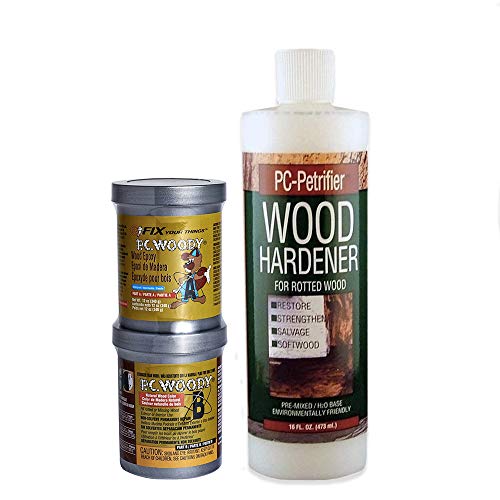
Product overview: This bundle pairs 16 oz PC-Petrifier Wood Hardener with 12 oz PC-Woody Epoxy Wood Repair Paste to supply a complete solution for rotted wood—hardening damaged areas and filling gaps in one purchase.
Who this is best for: Projects requiring both deep hardening and filling capabilities, such as window sills, beams, and frames with mixed rotted and sound wood. This kit provides a streamlined workflow from stabilization to repair.
Why chosen: The combination covers both hardening and restoring functions, reducing the need to source separate hardeners and fillers, which can save time on complex repairs.
Limitation: The kit may require multiple application steps; plan for sufficient working time and curing intervals to achieve best results.
System Three Rotfix Wood Restoration

Product overview: Rotfix is a low-viscosity epoxy wood sealer, consolidant, and primer that creates a sound, waterproof base for repair and restoration filler. It is designed to seal and consolidate rot-affected wood to stabilize prior to filler or further finishing.
Who this is best for: Users seeking a reliable, epoxy-based consolidant for larger rotted areas or structural wood recovery where a robust base is needed before filler or final coating.
Why chosen: Its low viscosity helps it penetrate and consolidate through damaged wood, providing a stable foundation for later repair steps.
Limitation: Because it is epoxy-based, proper ventilation and protection are recommended during use; follow product instructions for cure times and layering.
Abatron Wood Restoration Kit
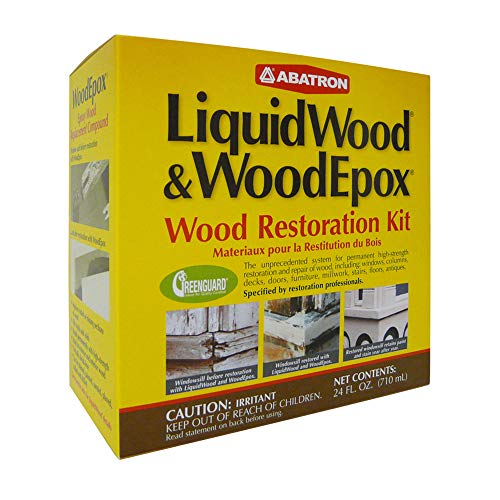
Product overview: The Abatron Wood Restoration Kit combines LiquidWood epoxy hardener/filler and WoodEpox filler for comprehensive wood restoration. It is designed to permanently harden, regenerate, fill, replace, and waterproof damaged wood, ideal for historical restoration and wide applications.
Who this is best for: Projects requiring a complete epoxy-based restoration system, including structural beams, window frames, doors, trim, and even furniture where durability and historical accuracy matter.
Why chosen: It offers a robust, two-part system with a focus on long-term waterproofing and durability, suitable for high-value or historic woodwork.
Caution: The system has low odor and VOC considerations, but still requires careful mixing and adequate ventilation during use.
Buying Guide
What is your rot situation?
Assess whether you have soft, spongy rot or solid rotted wood that needs consolidation before filling. Use consolidants (like Petrifier or Rotfix) to stabilize, then fill with epoxy pastes for structural restoration.
Penetration vs. build
Penetrating hardeners are ideal for deep stabilization; filled pastes or epoxy putties are better for replacing missing wood and shaping surfaces. For larger projects, combine products in a kit to streamline work.
Finish and appearance
Consider whether you need a finish-ready surface. Some products dry clear or have low odor, while others require sanding and priming before painting or staining.
Safety and environmental considerations
Choose products with low VOCs and minimal odors if you’re working indoors. Always follow ventilation guidelines and wear protective gear during application and curing.
Application planning
Plan multiple steps: stop rot with a hardener, consolidate the remaining wood, fill gaps, then prime and finish. Allow for cure times and reapplication if rot is extensive.
How to test for completeness
After treatment, probe treated areas with a thin tool to confirm hardness. If softness remains, apply another consolidation step or consider additional repairs.
FAQ
- What is the first step to treat dry rot? Identify rotted areas, remove severely damaged wood if necessary, and apply a penetrating hardener to stabilize the remaining wood.
- Can I use one product for both hardening and filling? Yes, many kits combine hardeners with epoxies or fillers to streamline the repair process.
- Is there a safer option for indoor use? Look for low-VOC formulations and products with low odor to minimize indoor air exposure.
- Should I replace rotted wood entirely? Severely rotted or structurally compromised wood may require replacement, but consolidants can stabilize remaining portions for support during repair.
- How long does curing take? Curing times vary by product; follow label instructions for working time and full cure before painting or finishing.
- Can these products be used on outdoor wood? Many are suitable for exterior use, but confirm weather resistance and UV protection requirements on the product page.