Maintaining a clean scalp without a full wash can help people with oily roots, sensitive skin, or limited water access stay fresh between showers. This guide outlines practical, product-backed steps to refresh the scalp using targeted tools and methods that minimize disruption to your hairstyle.
The approach focuses on removing excess oil, exfoliating dead skin cells, and promoting scalp health with gentle methods. By combining quick-repeat routines with the right tools, you can extend time between washes while keeping hair looking and feeling clean.
Quick Answer
Refresh your scalp in minutes: apply a lightweight dry shampoo for an oily scalp refresh, use a silicone scalp scrubber brush or scalp exfoliating brush silicone to loosen buildup, wipe with scalp cleansing wipes, and finish with a gentle scalp massager brush for dry shampoo to distribute product evenly.
What You’ll Need
- Dry shampoo for oily scalp refreshing
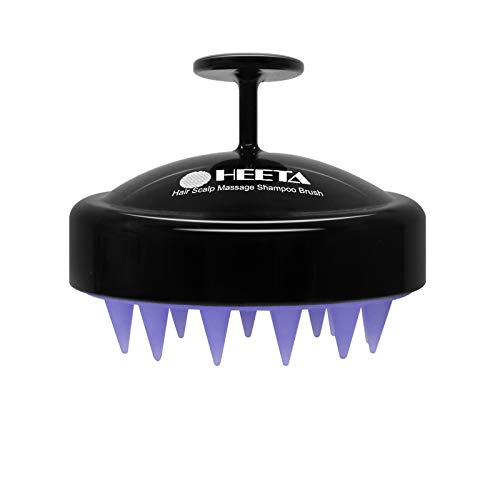
- Silicone scalp scrubber brush
- Scalp exfoliating brush silicone
- Scalp cleansing wipes
- Scalp massager brush for dry shampoo


Before You Start
Prepare a clean, comfortable workspace and ensure hands, tools, and your scalp are dry to prevent slipping. If you have a sensitive or irritated scalp, perform a patch test with any product 24 hours before full use. Time estimate: 5–15 minutes per session. Avoid applying products to the hair roots if you plan to style the hair later.
Safety notes: avoid aggressive brushing, which can irritate the scalp. If you have open sores, redness, or eczema flare-ups, consult a dermatologist before trying deep exfoliation at home.
Step-By-Step: How To Clean Scalp Without Washing Hair
- Begin with a quick head scan to identify the driest and oiliest zones on the scalp.
- Apply a thin layer of dry shampoo for oily scalp refreshing to the roots and midscalp where oil accumulates.
- Let the dry shampoo sit for 1–2 minutes to absorb excess oil.
- Use the silicone scalp scrubber brush to massage the scalp in small circular motions, focusing on the crown and hairline.
- Switch to the scalp exfoliating brush silicone to gently exfoliate flaky areas without scratching the skin.
- Wipe away excess residue with scalp cleansing wipes, working from the front to the back of the head.
- Finish with the scalp massager brush for dry shampoo to distribute the product evenly and promote blood flow.
- Brush or style as desired after the scalp is comfortable and product is well distributed.
- Check for any white residue or oil buildup and repeat steps 3–6 if needed, using a lighter touch next time.
- Lock in freshness by lightly spritzing a fragrance-free mist around the scalp if recommended for your hair type.
- Rinse hands and tools, then store them in a clean, dry area for next use.
Troubleshooting
| Symptom | Likely Cause | Fix | Prevention |
|---|---|---|---|
| White residue after use | Too much product | Use less dry shampoo and massage thoroughly | Apply in thin layers, wait briefly |
| Scalp feels itchy after exfoliation | Over-exfoliation or sensitive skin | Pause exfoliation; switch to lighter brush and shorter sessions | Limit sessions to 1–2 times per week |
| Greasy after a few hours | Under-absorbing oil or incorrect product type | Try a different formula or adjust application area | Match product to scalp oil level |
| Brush irritates scalp | Hard bristles or excessive pressure | Use gentler strokes or a softer brush | Clean brushes regularly to remove buildup |
Common Mistakes
- Overloading the scalp with product, leading to residue buildup.
- Brushing too aggressively, causing irritation or micro-tears.
- Using exfoliants too often, which can strip natural oils.
- Skipping a patch test for new products when sensitivity exists.
Tips For Best Results
- Choose a dry shampoo for oily scalp refreshing that matches your oil level and hair type for best results.
- Warm the scalp gently with fingertips before brushing to improve oil absorption.
- Clean tools after use to prevent bacteria buildup and skin irritation.
- Alternate tools for different zones to avoid overworking a single area.
- Combine with a gentle scalp massage to stimulate circulation without harsh scrubbing.
Call A Professional
Seek professional help if persistent itchiness, redness, or flakes continue after several attempts. Stop immediate use if there is severe irritation or an allergic reaction. If you have chronic scalp conditions (psoriasis, eczema, dermatitis), consult a dermatologist before continuing any at-home methods.
FAQ
Can I use these tools on colored or chemically treated hair?
Yes, but choose mild formulas and soft brushes to protect the color and reduce chemical stress on the scalp.
How often should I refresh my scalp without washing hair?
Most people can refresh 2–3 times between full washes, depending on oil levels and activity.
Are scalp cleansing wipes safe for daily use?
They can be convenient, but limit use to areas needing refreshing to prevent over-drying.
Will these steps replace washing completely?
These methods extend time between full washes but may not fully replace routine cleansing for everyone.
Buying Guide
When selecting products for scalp refreshing, consider size, noise level, energy efficiency (for any powered devices), controls, and placement. Think about the typical lifestyle and shower frequency, as well as skin sensitivity. For tools, prioritize ergonomics and gentle materials to minimize irritation. Compare fragrance-free versus scented options if you have sensitivities. Look for hypoallergenic products and easy clean-up to sustain long-term use. A balanced kit should cover cleansing, exfoliation, and gentle massage for a refreshed scalp with minimal washing.