Wood beams add character and warmth to homes, but they require thoughtful cleaning to preserve their finish and longevity. The steps below outline a practical, step-by-step approach that minimizes damage while removing dirt, dust, and grime from exposed wooden beams.
Quick Answer
Use a soft approach: start with a microfiber dust cloth to remove loose dust, then use a mildly soapy solution such as Murphy Oil Soap Wood Cleaner. For stubborn spots, a stiff bristle cleaning brush can help without abrading the wood. Finish with a wood beam maintenance cleaner conditioner or a targeted tung oil finish cleaner if you use a protective coating. Always test on a small, inconspicuous area first.
What You’ll Need
- Microfiber dust cloth for wood beams
- Stiff bristle cleaning brush for wood beams
- Murphy Oil Soap Wood Cleaner Gallon
- Wood beam maintenance cleaner conditioner
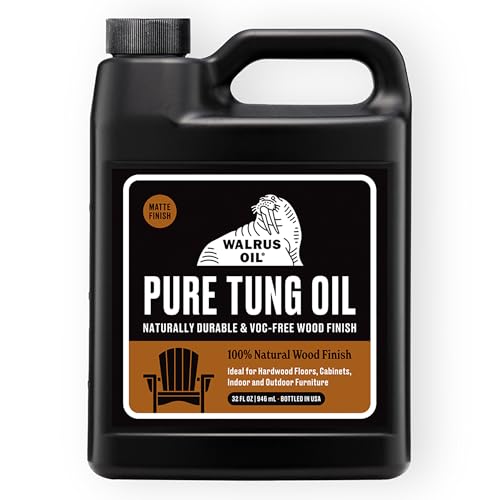
- Tung oil finish cleaner for wood beams


Before You Start
Prepare the space by laying down drop cloths or plastic sheeting to catch splashes. Work in a well-ventilated area and wear gloves to protect your hands from cleaners. Vacuum or dust beams first to remove loose dust, which reduces the risk of scratching the surface during cleaning. For beams with existing finishes, avoid soaking the wood; excess moisture can cause swelling or warping. Estimate a cleaning session of 30 minutes to an hour per beam, depending on size and grime.
Note: Do not use harsh solvents, ammonia-based cleaners, or abrasive pads that can dull or scratch the wood finish. Always test cleaners on an inconspicuous spot before full application.
Step-By-Step: How To Clean Wood Beams
- Begin with a microfiber dust cloth for wood beams to remove surface dust. Work along the grain and use gentle pressure to lift dust without pushing it into textures or crevices.
- Mix a mild cleaning solution using Murphy Oil Soap Wood Cleaner according to label directions. Dampen a clean cloth with the solution—never soak the wood.
- Wipe the beam with the damp cloth, following the grain. For areas with grime buildup, switch to a stiff bristle cleaning brush for wood beams and gently scrub, keeping strokes light to avoid abrasion.
- Rinse the cloth in clean water and wipe away any soap residue. Don’t allow soap to pool on surfaces; wipe immediately to prevent moisture buildup.
- Dry the beam with a dry microfiber cloth, ensuring all moisture is removed from corners and joints where water can linger.
- Assess the beam’s finish. If staining or residue remains, apply a small amount of wood beam maintenance cleaner conditioner to a cloth and buff in a circular motion to restore luster while protecting the surface.
- For beams with oil-based finishes, consider a tung oil finish cleaner for wood beams to maintain the sheen and reinforce the protective layer. Follow product directions for best results.
- Repeat on adjacent beams, prioritizing heavily soiled sections first. Periodically switch to fresh cloths to avoid spreading dirt across surfaces.
- Inspect for moisture damage or finish wear after cleaning. If the finish looks dull or uneven, plan a conditioning step or consult a wood care guide for reapplication guidelines.
- Store all cleaners in a cool, dry place away from direct sunlight when not in use. Return brushes and cloths to their designated areas to prolong their lifespan.
- Finish with a light, dry buff using a clean microfiber cloth to restore a uniform sheen across all beams.
Troubleshooting
| Symptom | Likely Cause | Fix | Prevention |
|---|---|---|---|
| Water rings or halos after cleaning | Excess moisture or improper drying | Wipe with a dry cloth; ensure complete drying before applying any finish | Use minimal moisture and dry promptly |
| Finish dulling after cleaning | Residue buildup or incompatible cleaner | Switch to a compatible cleaner and buff with a clean cloth | Test cleaners on a hidden spot first |
| Scratching when scrubbing | Using a stiff brush too aggressively | Reduce pressure or switch to softer brushing methods | Dust first, then wipe with damp cloth |
| Persistent sticky residue | Oil-based finishes or old sealants | Use an appropriate cleaner designed for oil-based finishes or recondition | Identify finish type before cleaning |
Common Mistakes
- Over-wetting wood beams, which can cause swelling or warping
- Using abrasive pads that scratch the surface
- Skipping a test area before applying cleaners
- Rushing the drying process, leaving damp spots behind
Tips For Best Results
- Dust beams regularly with a microfiber cloth to reduce deep cleaning frequency.
- Work from the core to the ends to minimize dirt redistribution.
- Choose cleaner products that are specifically designed for wood beams to avoid finish damage.
- Decorative beams may benefit from a light conditioning treatment after cleaning to preserve color and texture.
- Keep a small, dedicated brush for beams to prevent cross-contamination from other surfaces.
Call A Professional
Consider contacting a professional if beams show signs of structural changes, extensive water damage, severe finish wear, or if you plan a large refinishing project. Stop repairs and seek expert advice if there is cracking, splitting, or mold growth in or around the beams.
FAQ
Is Murphy Oil Soap safe for all wood finishes?
Murphy Oil Soap is widely used for many wood surfaces when used as directed, but always test on a hidden area first and follow the finish manufacturer’s guidelines.
Can I use water to clean wood beams?
Light moisture can be used, but avoid saturating the wood. Excess moisture can cause damage over time.
How often should wood beams be cleaned?
Regular maintenance every few months is usually sufficient, with deeper cleanings as needed based on traffic and dust accumulation.
What if the beam has an oil-based finish?
Use cleaners and conditioners formulated for oil-based finishes to maintain gloss and protection.
Do I need to seal beams after cleaning?
Sealing is optional depending on the finish and location. If beams are exposed to humidity or wear, a conditioner or finish sealer may help protect them.
Buying Guide
When selecting products for cleaning and maintaining wood beams, consider size and scope of the project, compatibility with existing finishes, odor and VOC levels, and application convenience. For wide beam runs, a gallon of the right cleaner goes a long way, while smaller projects may benefit from trial-sized bottles. Noise during brushing is generally minimal with a soft-bristle brush, but plan for hands-on cleaning time rather than automated methods. Energy efficiency isn’t a primary concern here, but choosing multi-use products (cleaner, conditioner) can reduce the number of products you store. Placement of beams in living spaces may influence your choice of scent and dryness, so look for fast-drying formulas and low-residue finishes. Finally, prioritize products with clear instructions and safety guidelines to simplify routine maintenance and prolong the life of wood beams.