Nike Air sneakers are built for everyday wear, but dirt, scuffs, and odor can accumulate quickly. This guide provides a practical, safe approach to cleaning Nike Air models using common tools and a few specialized products. The goal is to maintain cushioning, materials, and color while returning sneakers to showroom freshness.
Quick Answer
For best results, use a dedicated sneaker brush set with nylon bristles to avoid fabric damage, apply a gentle cleaning spray specific to white sneakers, and finish with a clean, dry air or sunlight-free drying method. An ultrasonic cleaner offers a deeper clean for stubborn grime but is optional. Always air-dry away from direct heat to protect the midsole and materials.
What You’ll Need
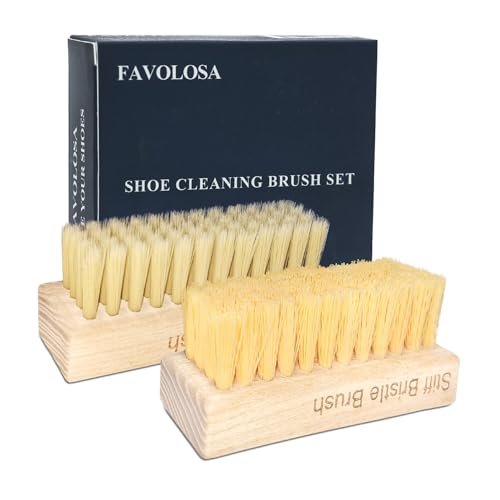
- Nike shoe cleaning kit brush set nylon bristles
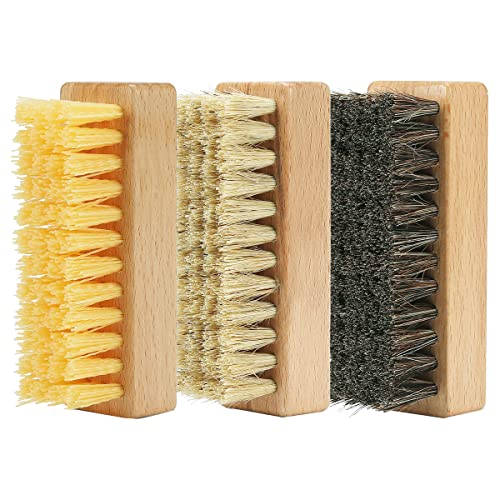
- Sneaker cleaning brush set for Nike Air
- Electric sneaker cleaning brush cleaner for Nike Air
- Sneaker cleaning spray for Nike Air white
- Ultrasonic sneaker cleaner machine for shoes

Before You Start
Preparation ensures a safe, effective cleaning process. Remove laces and insoles to treat separately, then gently knock off loose dirt with a dry brush. Protect the Nike Swoosh and sole patterns by testing any cleaner on a hidden area first. For white Nike Air, staining birds-eye patterns respond well to mild soap and a soft brush. Time estimates: about 20–40 minutes for a full clean, plus 2–6 hours of drying time depending on air flow and material type. Important: avoid harsh chemicals, heat, or dye transfer from colored fabrics onto white portions.
Step-By-Step: How To Clean Nike Air
- Remove laces and insoles to clean parts separately. Laces can be rinsed under lukewarm water and air-dried.
- Dry brush the surface to lift loose dirt from mesh, leather, or suede areas without saturating the fabric.
- Prepare a cleaning solution in a bowl or spray bottle with mild soap and warm water. Avoid strong bleaches or solvents.
- Spot-clean stains on the upper using a soft brush or cloth, applying light pressure. Work from the outside toward the center to prevent spreading.
- Clean the midsole and outsole with the nylon-bristle brush, applying more solution if needed. Scrub in small circles to revive the white or color-contrasted sections.
- Rinse and wipe with a damp cloth to remove soap residue. Do not soak the Shoes in water, especially if they have delicate materials.
- Dry thoroughly in a well-ventilated area away from direct sunlight. Stuff with paper or use a shoe tree to retain shape during drying.
- Reassemble and inspect once completely dry. If laces were stiff, re-tie them, or replace worn ones for a fresh look.
- Optional deep clean—for stubborn grime, use an electric sneaker cleaning brush cleaner for Nike Air to lift dirt from crevices without over-wetting the fabric.
- Final finish—spray a light, white-sneaker-safe cleaner for a protective coat or stain resistance, if desired, and allow to dry fully.
- Maintenance tip—clean regularly to prevent buildup and maintain color integrity over time.
- Storage note—store in a dry, cool place and avoid damp basements that encourage odor and mold growth.
Troubleshooting
| Symptom | Likely Cause | Fix | Prevention |
|---|---|---|---|
| White color turning gray | Enviroment exposure and dirt buildup | Apply a whitening-safe spray after cleaning | Clean after heavy use, especially in muddy conditions |
| Leather cracks after cleaning | Over-wetting or harsh cleaners | Use minimal moisture and alcohol-free products | Limit cleaning to appropriate materials |
| Unpleasant odor | Moisture buildup inside the shoe | Dry thoroughly, consider odor-absorbing inserts | Rotate shoes and air out after wear |
| Stains spreading | Heavy pressure with a wet brush | Blot gently and re-clean in smaller areas | Use targeted cleaning techniques |
| Weakened mesh after cleaning | Aggressive brushing | Switch to softer brushes and shorter passes | Choose material-appropriate brushes |
Common Mistakes
- Using bleach or harsh solvents on Nike Air materials
- Soaking sneakers in water, especially knit or leather sections
- Using high heat for drying, which can warp foam midsoles
- Over-saturating fabrics, leading to color bleed or stiffness
- Neglecting dry time, which can trap moisture and cause odor
Tips For Best Results
- Always test cleaners on a hidden spot first to confirm colorfastness.
- Work in a shaded area to prevent dye and material damage from direct sun.
- Use separate brushes for the upper and the midsole to avoid transferring dirt between parts.
- Store shoes with adequate airflow to prevent musty odors between wears.
- Consider a sneaker-specific spray to seal and protect after cleaning, especially for white models.
Call A Professional
Complex materials, especially vintage Nike Air with delicate overlays or rare colorways, may require professional cleaning. Stop and consult a professional if you notice:
- Persistent stains that resist gentle cleaning
- Water seepage into the interior or foam components
- Cracking or peeling of leather or fabric after cleaning
- Unusual odor that persists after drying
FAQ
Can I wash Nike Air shoes in a washing machine?
Washing machines can damage some Nike Air models. It’s generally safer to hand-clean with a sneaker brush and mild soap, then air-dry.
Should I air-dry Nike Air shoes in direct sunlight?
No. Direct heat can warp foam midsoles and damage materials; air-dry in a shaded, ventilated area.
Is it okay to use a white toothpaste on white Nike Air?
Avoid toothpaste on delicate uppers; use a sneaker-safe cleaner or mild soap instead.
How often should I clean Nike Air shoes?
Clean after notable dirt exposure or odor buildup; routine light brushing after wear helps maintain appearance.
Do I need to protect white Nike Air after cleaning?
Applying a protective spray designed for white sneakers can help repel stains and simplify future cleaning.
Can I use an ultrasonic cleaner for Nike Air?
Ultrasonic cleaners can be effective for deep cleaning the outsole or midsole; avoid prolonged exposure on upper fabrics to prevent damage.
Buying Guide
Choosing cleaning tools and products for Nike Air is about balancing effectiveness with fabric safety. Consider size and type of Upper material (mesh, leather, suede), noise level of the cleaner, cleaning power, and ease of use. The following factors help guide a well-rounded setup:
- Size and form factor—compact handheld brushes work well for travel; larger kits cover more surface area for bigger shoes.
- Noise level—electric cleaners vary; opt for models with moderate noise if used in shared spaces.
- Materials compatibility—select nylon-bristle brushes for most Nike Air uppers; avoid steel or hard-bristle tools on delicate fabrics.
- Energy efficiency—choose energy-efficient electric options or manual brushes for simple maintenance.
- <bCleaning solutions—prefer sneaker-safe sprays formulated for white sneakers while avoiding bleach or alcohol-heavy formulas on sensitive materials.
- <bControls and usability—look for ergonomic handles, easy-to-read labels, and spray triggers that allow controlled application.
- <bPlacement and storage—store cleaning supplies in a dry cabinet or bag to prevent moisture contact and dust buildup.
- <bBrand compatibility—kits marketed for sneakers or Nike Air typically address common substrates used in Nike footwear.
Having a dedicated cleaning kit tailored to Nike Air helps maintain color, texture, and fit. Consider a two-tier approach: a basic brush set for everyday maintenance and a deeper-clean option for occasional, more thorough sessions. If white shoes are a staple, pair a gentle spray with the brush kit for ongoing protection. Is your setup ready for Nike Air care, or do you need a more specialized kit for tricky materials?