Rhino Linings spray-on bed liners provide durable protection for trucks, and keeping them clean helps preserve their finish and longevity. This guide walks through practical methods, safe cleaners, and tools to keep Rhino Liners in top condition without damaging the coating.
From routine maintenance to tackling tough grime, the steps below cover common scenarios and offer safe, American-friendly tips for vehicle owners and DIY enthusiasts.
Quick Answer
Use a dedicated liner cleaner spray or a polyurethane bed liner degreaser, paired with a soft-bristle brush to lift dirt without scratching. Rinse with plenty of water, avoid high-heat drying, and repeat for stubborn spots. For lingering residues, switch to a citrus degreaser formulated for polyurethane liners.
What You’ll Need
- Rhino Linings bed liner cleaner spray
- Polyurethane truck bed liner cleaner degreaser
- Rhino liner maintenance cleaner for spray-on liner
- Citrus degreaser for polyurethane bed liner
- Soft-bristle brush kit for Rhino Linings cleaning
- Water hose or spray bottle
- Soft microfiber towels
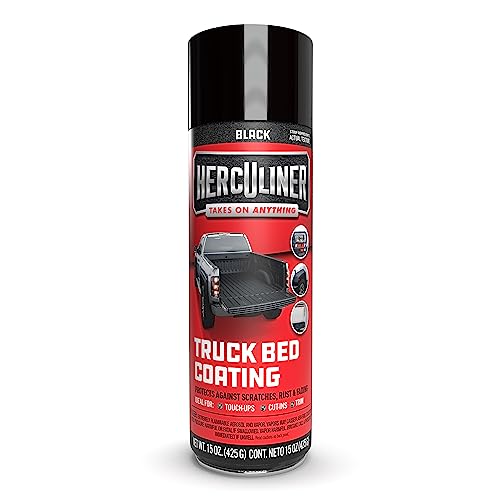


Before You Start
Prepare a shaded work area and ensure the bed is free of loose debris. Test any cleaner on a small, hidden spot to confirm it won’t affect the finish. Wear protective gloves and use eye protection when handling chemicals. Avoid harsh solvents that can degrade the liner. Plan for at least 20–40 minutes of cleaning for a standard pickup bed, plus extra time for stubborn spots.
Critical cautions: Do not use abrasive brushes that could scratch the surface. Do not mix cleaners unless the product instructions explicitly allow it. Do not use bleach or highly acidic/alkaline products unless directed by the cleaner’s guidelines.
Step-By-Step: How To Clean Rhino Liners
- Rinse the bed liner with water to remove loose dirt and debris.
- Apply a dedicated liner cleaner spray or polyurethane liner degreaser to wet or damp surfaces.
- Let the cleaner sit for 2–5 minutes to break down grime, especially on textured areas.
- Gently scrub using the soft-bristle brush kit, focusing on seams, corners, and any stained patches.
- Rinse thoroughly with clean water, ensuring all soap residue is removed to prevent streaking.
- If resin stains persist, apply a citrus degreaser formulated for polyurethane bed liners and repeat brushing.
- Dry with clean microfiber towels or allow the liner to air-dry in a shaded area.
- Inspect for any missed spots; repeat cleaning on areas that show dirt accumulation.
- Optionally apply a maintenance cleaner for spray-on liners to maintain the finish and UV resistance.
- Re-wash after heavy use (e.g., hauling oily materials) or after long trips to maintain cleanliness and odor control.
- Store cleaning tools clean and dry to prevent residue buildup that can transfer to the liner.
Troubleshooting
| Symptom | Likely Cause | Fix | Prevention |
|---|---|---|---|
| Stubborn grease spots | Grease penetrates textured surface | Use citrus degreaser and a longer dwell time | Pre-clean before loading oily goods |
| Water spots after drying | Hard water minerals or soap residue | Rinse with distilled water or a final rinse with clean water | Rinse thoroughly and dry promptly |
| Scratches or dull patches | Abrasive brush or harsh cleaner | Switch to a soft-bristle brush and mild cleaner | Avoid metal or stiff brushes |
| Persistent odor | Organic residue or mildew | Re-clean with an enzyme-based cleaner or Rhino liner maintenance cleaner | Ventilate and keep area dry after cleaning |
Common Mistakes
- Using household detergents not formulated for polyurethane coatings
- Harsh scrubbing materials that scratch the liner’s surface
- Skipping a proper rinse, leaving sticky residues behind
- Ignoring textured areas where dirt hides, leading to buildup
- Cleaning in direct sunlight or heat, which can dry cleaners too quickly
Tips For Best Results
- Consistently use a dedicated Rhino Linings cleaner spray or polyurethane degreaser for best compatibility.
- Work in small sections to prevent cleaner from drying on the surface.
- Pair cleaning with a regular maintenance routine to preserve color and texture.
- For repeat odors, consider a deodorizing spray designed for polyurethanes after the liner is clean and dry.
- Store cleaning tools in a dry place to prevent transfer of residues to the liner.
Call A Professional
Consult a professional if the bed liner shows deep staining that resists standard cleaners, if there are signs of coating wear or UV degradation, or if the liner has sustained damage from chemicals or impacts. Seek expert advice if the sprayed-on finish seems to peel or crack, or if you notice any water intrusion behind the liner.
FAQ
What should I use to clean Rhino Linings spray-on liner?
Use a dedicated Rhino Linings bed liner cleaner spray or a polyurethane truck bed liner cleaner degreaser, followed by a soft-bristle brush.
Can I use citrus degreaser on Rhino Liners?
Yes, citrus degreasers formulated for polyurethane bed liners are effective for stubborn grease without harming the coating.
Is it necessary to rinse thoroughly after cleaning?
Yes, thorough rinsing prevents residue that can attract dirt and cause streaks.
How often should I clean a Rhino Liner bed?
Clean as part of a regular maintenance routine, and spot-clean after hauling greasy materials or muddy loads.
Buying Guide
When selecting cleaning products for a Rhino Linings bed liner, consider size, spray delivery, and compatibility with polyurethane coatings. A spray-on liner cleaner spray is convenient for quick maintenance, while a dedicated degreaser may offer stronger grease-breaking power for oily loads.
Key factors include:
- <bSize: Choose products sized for your typical cleaning sessions—small spray bottles for quick touch-ups, larger bottles for regular maintenance.
- <bNoise level (if using a powered cleaning tool): Hand cleaning with a brush is quiet; electric scrubbers can speed up stubborn spots but may generate more noise.
- <bEnergy efficiency of any powered tools: Low-draw brush systems are preferable to conserve energy and reduce heat during cleaning.
- <bControls: Simple spray-and-brush systems reduce the risk of incorrect use and improve consistency.
- <bPlacement: Clean the liner in a shaded, well-ventilated area to prevent rapid drying and streaks.
For best results, follow the manufacturer’s directions, test on a hidden area, and maintain a regular cleaning schedule that matches your hauling habits. If in doubt, consult product labels or a local auto detailing shop for recommendations tailored to your Rhino Linings finish.