Spaghetti sauce stains on plastic containers can be stubborn, especially when the sauce leaves residues that cling to surfaces. The good news is that a few common cleaning tools and a simple, repeatable process can restore plastic containers to nearly new condition. This guide provides practical steps, safety notes, and product-appropriate methods to tackle sauce stains effectively.
Quick Answer
For most plastic stains, rinse with warm water, apply a mild dish soap, and scrub with a non-scratch nylon scrub brush for plastic containers or a scrub sponge with scouring pad for plastic dishes and containers, then rinse. If stains persist, use a plastic scraper with flexible edge for sauce stain removal to lift residues and finish with a microfiber cleaning cloths for plastic surfaces stain removal to buff clean. Repeat as needed.
What You’ll Need
- Non-scratch nylon scrub brush for plastic containers
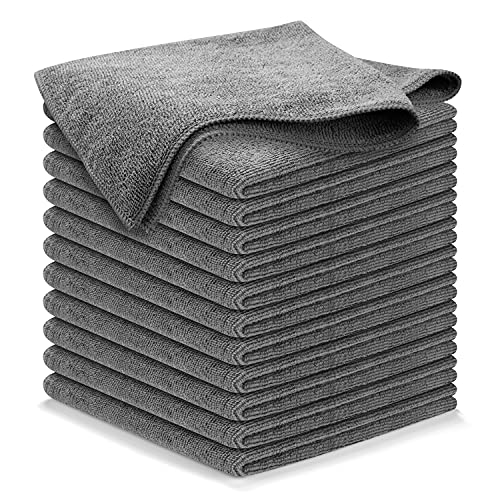
- Microfiber cleaning cloths for plastic surfaces stain removal
- Plastic scraper with flexible edge for sauce stain removal
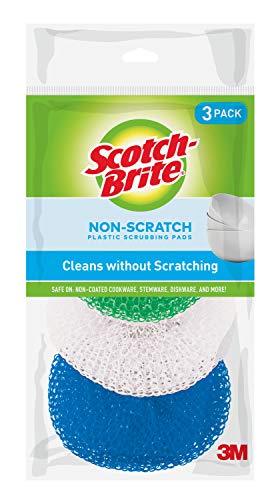
- Scrub sponge with scouring pad for plastic dishes and containers
- Stain-removing cleaning brush set for plastic storage containers

Before You Start
Prepare a clean work area and gather all tools. Use warm—not boiling—water to avoid warping delicate plastic. Test a small, inconspicuous area first to ensure colorfastness, especially on lids and translucent containers. If you’re cleaning a container that holds food, ensure it’s fully dry before storage. Keep sharp edges away from skin when using a plastic scraper. Time your session: most stain removal takes 5–15 minutes per container, with tougher stains possibly needing a repeat cycle.
Step-By-Step: How To Remove Spaghetti Sauce Stains From Plastic
- Rinse the container with warm water to loosen surface residue and prevent it from drying in.
- Apply a small amount of mild dish soap to the container and work it into the stained areas with the non-scratch nylon scrub brush for plastic containers.
- For stubborn patches, use a plastic scraper with flexible edge for sauce stain removal to lift dried sauce without scratching.
- Rinse again and inspect. If color remains, make a paste with baking soda and water and apply with the scrub brush; let sit for 5 minutes.
- Gently scrub with the scrub sponge with scouring pad for plastic dishes and containers, focusing on ridges and seams where sauce hides.
- Rinse thoroughly and dry with a microfiber cleaning cloths for plastic surfaces stain removal to prevent water spots and mask edges.
- For persistent staining, soak the container in a diluted vinegar solution (1 part vinegar to 3 parts water) for 15–20 minutes, then repeat the scrub cycle.
- Repeat the above steps on lids and airtight seals if they carried sauce, ensuring all parts are fully dry before reassembly.
- Inspect after drying; if any stain remains, run through the cycle one more time or use a dedicated stain-removing cleaning brush set for plastic storage containers for targeted attention.
- Store containers in a clean, dry place to prevent future staining from dried sauces.
- Optional: For ongoing maintenance, routinely wipe down with a microfiber cloth after use and avoid letting sauce sit in plastic for extended periods.
Troubleshooting
| Symptom | Likely Cause | Fix | Prevention |
|---|---|---|---|
| Dark staining remains after scrubbing | Dried pigment within scratches or crevices | Use the plastic scraper with flexible edge to loosen; re-scrub with brush | Rinse immediately after use; wash soon after meals |
| Scratches appear after cleaning | Using a hard scrub pad | Switch to non-scratch nylon scrub brush for plastic containers | Avoid abrasive pads on smooth surfaces |
| Food odor persists | Residual oils or colorants | Soak in warm soapy water, then re-clean with vinegar rinse | Clean promptly after meals, especially with tomato sauces |
| Stains return after drying | Repeated exposure to sauces in porous areas | Apply baking soda paste, rinse, and dry completely | Limit sauce contact time; store containers dry |
Common Mistakes To Avoid
- Using metal scrubbers that can scratch plastic
- Letting sauce dry on surface before cleaning
- Over-wetting lids or seals, which can trap moisture and odors
- Skipping a full rinse after applying cleaners, leaving residues
Sticking to gentle tools and timely cleaning helps prevent damage and keeps plastic containers looking clear and clean.
Tips For Best Results
- Always start with warm water and mild soap; hotter water can warp thin plastics.
- For opaque plastics, a baking soda paste can lift stubborn colors without harsh chemicals.
- Use microfiber cloths for final buffing to prevent lint and leave a streak-free finish.
- Rotate different cleaning tools to avoid relying on a single tool that may wear out quickly.
- Label containers that frequently hold sauces to remind of soak times and avoid long-term staining.
Call A Professional
In most cases a home clean is sufficient, but seek a professional if:
- The container is extremely warped or cracked from heat exposure during cleaning.
- Persistent stains indicate deep color migration into the plastic that does not respond to standard cleaning.
- Containers are used for storing baby formula, medication, or other sensitive items and safety concerns arise due to residue.
FAQ
Can I use bleach to remove spaghetti sauce stains from plastic?
Bleach is generally not recommended for colored plastics as it can cause discoloration; try milder cleaning methods first and avoid prolonged exposure.
Will dish soap damage clear plastic containers?
No, mild dish soap is safe for most plastic containers; use a soft brush to prevent scratching.
How long should I soak plastic containers with stains?
Soak 15–20 minutes in warm soapy water or diluted vinegar for tougher stains, then scrub and rinse.
Are these methods safe for lunchbox containers?
Yes, provided the materials are food-grade plastic and not cracked; ensure all residues are rinsed before reuse.
Buying Guide
When choosing tools to combat spaghetti sauce stains on plastic, consider durability, material compatibility, and ease of use. Key buying factors include:
- Size and ergonomics: Handles that fit comfortably in the hand reduce fatigue during scrubbing.
- Material compatibility: Non-scratch nylon surfaces protect plastic; avoid metal or overly abrasive options.
- Effectiveness for stubborn stains: A combination set with brushes, sponges, and a flexible plastic scraper covers most scenarios.
- Cleaning versatility: Tools that work on lids, seams, and containers extend usefulness across kitchenware.
- Maintenance: Reusable microfiber cloths and scrub brushes that resist odor retention improve long-term results.
- Storage and organization: A compact kit or dedicated caddy helps keep cleaning tools accessible.
For optimal results, match the kit to your typical sauce stains, container materials, and household cleaning routines. If you frequently clean plastic storage containers, a well-rounded set offers consistent performance and minimizes surface damage over time.