Maintaining a tidy dorm room can feel challenging with a busy class schedule, shared spaces, and limited storage. A simple cleaning routine, the right lightweight tools, and a few smart habits can keep the space comfortable and sanitary without spending hours on chores.
This guide provides a practical, step-by-step plan tailored for dorm life in the United States. It focuses on compact, easy-to-use tools and routines that work in small spaces and coordinate with dorm policies.
Quick Answer
Establish a 15-minute daily touch-up routine, a 30–45 minute weekly deep clean, and a monthly refresher for high-touch areas. Use a cordless handheld vacuum for quick debris pickup, microfiber cloths for spotless surfaces, an extendable microfiber duster for hard-to-reach spots, a multi-surface cleaning spray for most surfaces, and a toilet brush with a holder for bathroom upkeep. Keep supplies in a small caddy for easy transport between shared spaces.
What You’ll Need
Having the right tools makes all the difference in a dorm setting. Gather these essentials to cover most cleaning tasks without clutter.
- cordless handheld vacuum for dorm room
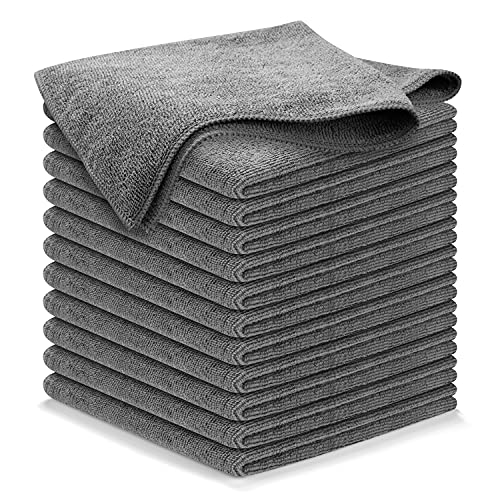
- microfiber cleaning cloths set dorm 12 pack
- extendable microfiber duster for dorm room
- multi-surface cleaning spray for dorm room
- toilet brush with holder dorm bathroom kit


Before You Start
Before cleaning, clear surfaces and outlets of personal items. Open a window if possible to improve air quality, and wear a mask if you or roommates have allergies. Use a spare bin or bag for trash and dirty towels, and label cleaning supplies to avoid cross-contamination in a shared space. Time estimate: initial 60–90 minutes for a thorough top-to-bottom clean; 15–30 minutes for quick daily touch-ups. Always follow dorm policies on cleaning product storage and shared bathroom use.
Step-By-Step: How To Clean A Dorm Room
- Declutter and organize surfaces. Put away clothes, papers, and clutter; straighten furniture placement to maximize floor space.
- Dust high and low. Use extendable microfiber duster for ceiling corners, shelves, and light fixtures, then wipe down surfaces with microfiber cloths.
- Vacuum visible debris. Run the cordless handheld vacuum over floors, bed bases, and under small furniture where possible.
- Wipe surfaces with multi-surface spray. Spray onto a microfiber cloth and wipe desks, windowsills, and shared work areas; avoid oversaturation on electronics.
- Disinfect high-touch areas. Focus on doorknobs, light switches, laptop keyboards, and remote controls using a damp microfiber cloth with cleaning spray.
- Clean the bathroom area. Use the toilet brush with holder dorm bathroom kit to scrub the toilet and wipe the bowl rim; rinse with clean water and let dry. Sanitize the bathroom surfaces separately from living areas.
- Refresh and air out. Open windows or use a fan to improve ventilation; replace towels and bathroom mats with clean ones if possible.
- Deal with laundry and trash. Collect dirty laundry, start a load, and take out trash to the building’s designated bin or dumpster.
- Check for maintenance issues. Note any leaks, lights, or outlets that need attention and report them to the housing office as needed.
- Establish a routine. Schedule short daily cleans and a weekly deep clean to maintain order with minimal effort.
- Store cleaning supplies safely. Keep tools in a compact caddy or bin to move quickly between spaces and avoid clutter.
- Adjust as needed. Personalize the routine for roommates and seasonal changes, such as allergy seasons or dust buildup in certain areas.
Troubleshooting
| Symptom | Likely Cause | Fix | Prevention |
|---|---|---|---|
| Dust returns quickly on surfaces | Infrequent cleaning or dusty fans | Increase frequency of dusting; wipe with microfiber cloths | Set a weekly dusting reminder; use a damp cloth for sticky surfaces |
| Vacuum picks up little debris | Carpets or floors covered in fine dust | Empty vacuum canister; use attachments to reach corners | Mop or sweep before vacuuming on hard floors |
| Bad bathroom odor | Poor ventilation or infrequent cleaning | Clean toilet and surfaces; run vent or fan | Open window after cleaning; place waste in sealed bags |
| Sticky surfaces after spraying | Overspray or using too much product | Wipe with a dry microfiber cloth to remove excess | Spray onto cloth, not directly on surfaces |
Common Mistakes
- Overlooking high surfaces or corners where dust accumulates
- Using harsh cleaners on electronics or screens
- Using too much cleaning spray, causing sticky residues
- Piling up cleaning supplies, creating clutter in small dorm spaces
- Neglecting bathroom routine, leading to odors or mildew
Sticking to a concise, repeatable routine helps avoid these pitfalls and keeps dorm spaces comfortable for roommates.
Tips For Best Results
- Label and segregate cleaning supplies by area (living vs. bathroom) to prevent cross-contamination.
- Use the cordless handheld vacuum in tight corners where cords can’t reach.
- Pre-wet microfiber cloths for stubborn stains to reduce scrubbing time.
- Schedule a weekly reset to reclaim common areas after study sessions or guests.
- Coordinate with roommates to divide chores and share cleaning responsibilities fairly.
Call A Professional
Consider calling a professional if you notice persistent mold, lingering odors after cleaning, or structural issues beyond routine upkeep. Stop signs include damp walls, visible mold growth, repeated leaks, or persistent pests. If safety concerns arise—such as exposed wiring or broken fixtures—contact campus facilities or a licensed professional promptly.
FAQ
How often should I clean a dorm room?
Do a quick daily 15-minute tidy, a deeper 30–45 minute weekly clean, and a monthly refresh of high-touch areas and bathroom spaces.
Can I use the cleaning spray on electronics?
Avoid spraying directly on electronics; apply to a microfiber cloth and wipe surfaces gently.
What supplies are essential for a dorm room cleaning kit?
At minimum, include a cordless handheld vacuum, microfiber cloths, an extendable duster, a multi-surface cleaner, and a toilet brush with holder for bathrooms.
How do I coordinate cleaning with roommates?
Set a shared schedule, divide tasks by space, and store supplies in a central, accessible location to ensure consistency.
What if I have allergies?
Use fragrance-free cleaners, keep windows open for ventilation, and dust surfaces regularly with a damp microfiber cloth to minimize airborne irritants.
Buying Guide
When selecting dorm cleaning tools, consider size, weight, and ease of storage. A cordless handheld vacuum is ideal for small spaces due to portability and quick cleanup. Microfiber cloths set provides machine-washable reusability and effective dirt pickup. An extendable microfiber duster reaches ceiling corners and shelves without ladders, a practical feature in tight dorm layouts. A multi-surface cleaning spray should be gentle on plastics and electronics while tackling desks, shelves, and sinks. A toilet brush with holder is essential for bathroom hygiene without frequent trips to shared supply closets.
Important buying factors include:
- Size and weight: compact gear that fits under beds or in tight closets.
- Noise level: quieter tools help maintain dorm privacy and roommate comfort.
- Energy efficiency: battery life for cordless tools, especially during busy weeks.
- Controls and ease of use: simple on/off, adjustable spray, and comfortable grips.
- Placement and storage: containers with handles or integrated organizers for portability.
For best results, create a small cleaning caddy that houses all essentials, label each tool, and keep it in a shared but secure location. If shopping online, read user reviews focused on dorm scenarios to confirm real-world performance in small spaces.