Maintaining a clean sports mouthguard is essential for oral health and performance. This guide provides practical steps using common tools to remove bacteria, odors, and residue while extending the life of the mouthguard.
Quick Answer
Rinse immediately after use, brush with a soft toothbrush or dedicated mouthguard cleaning brush, soak in a recommended solution, and air-dry. For tougher stains or odors, use a sports mouthguard cleaning tablets or a mouthguard cleaning kit as directed.
What You’ll Need
- mouthguard cleaning brush or soft toothbrush
- mouthguard cleaning kit (optional for deeper cleaning)
- retainer ultrasonic cleaner (optional for quick sterilization)
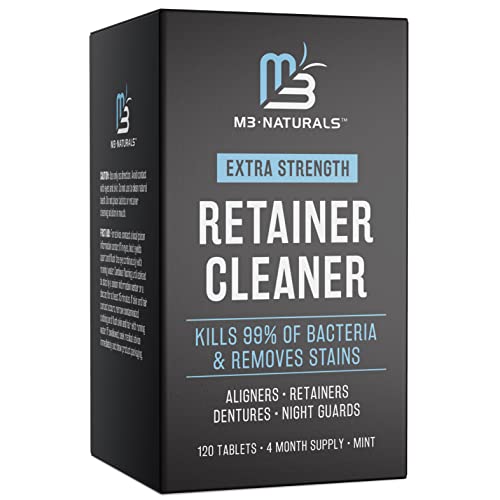
- sports mouthguard cleaning tablets
- mouthguard sterilizing spray (optional for on-the-go)


Before You Start
Rinse the mouthguard with cool or lukewarm water before cleaning. Do not use hot water, which can warp the material. If the mouthguard has a strap or case, clean those components as well. Check manufacturer care instructions for any warnings or approved cleaners to avoid material damage. Cleaning time typically takes 5–15 minutes per session.
Step-By-Step: How To Clean A Sports Mouthguard
- Rinse the mouthguard under cool running water to remove loose debris.
- Gently brush with a mouthguard cleaning brush or soft toothbrush using mild soap or a manufacturer-approved cleaner.
- Soak in a basin or cup with a recommended solution from sports mouthguard cleaning tablets or a mouthguard cleaning kit for the suggested duration.
- Rinse thoroughly after soaking to remove any cleaning residue.
- For extra disinfection, place the mouthguard in a retainer ultrasonic cleaner if the product is compatible with mouthguards and follow the device instructions.
- Air-dry completely in a clean area away from direct sunlight or heat before storing in a ventilated case.
- Inspect for wear, cracks, or tears; replace if the integrity is compromised.
- Store in a breathable container to prevent moisture buildup that can harbor bacteria.
- Re-clean regularly, preferably after every use, to maintain hygiene and odor control.
- If odors persist, repeat cleaning or switch to a mouthguard sterilizing spray for on-the-go freshening.
- Keep documented care routines and replace according to the age and usage pattern of the mouthguard.
- When away from home, consider portable cleaning options like a compact spray or tablets for quick maintenance.
Troubleshooting
| Symptom | Likely Cause | Fix | Prevention |
|---|---|---|---|
| Persistent odor after cleaning | Deep-seated bacteria | Soak longer in appropriate cleaning solution; use sterilizing spray after drying | Clean after each use; avoid leaving mouthguard damp in a case |
| Stains that won’t lift | Protein or color residue | Try a dedicated cleaning tablet or kit with gentle enzymatic action | Rinse immediately after use; avoid colored sports drinks on the guard |
| Guard feels warped after cleaning | Water too hot | Use cool or lukewarm water only; check for heat exposure | Store away from heat; dry completely before use |
| Allergic skin reaction | Cleaning solution sensitivity | Switch to a mild, hypoallergenic cleaner; rinse thoroughly | Test a small area first; use fragrance-free products |
Common Mistakes
- Using hot water that warps the material
- Skipping thorough rinse after cleaning solutions
- Over-drying or leaving it in a closed damp case
- Neglecting to replace worn mouthguards promptly
Regular, careful cleaning reduces bacteria buildup and extends mouthguard life. A simple routine makes maintenance straightforward.
Tips For Best Results
- Design a short daily cleaning routine to minimize odors and buildup.
- Rotate between cleaning methods to suit travel needs without compromising hygiene.
- Label replacement timelines based on wear rather than a fixed schedule.
- Always dry completely before storage to prevent mold growth.
- Follow the manufacturer’s care instructions to maintain warranty coverage.
Call A Professional
Consult a dentist if there are persistent signs of material degradation, unusual staining, or recurrent irritation in the mouth after cleaning. Seek professional advice before using harsher chemicals or attempting repairs.
FAQ
How often should I clean a sports mouthguard?
Clean it after every use and deep-clean weekly or as needed based on odor or residue.
Can I use household cleaners on my mouthguard?
Avoid strong household cleaners; use manufacturer-approved cleaners or mild soap.
Is a ultrasonic cleaner safe for mouthguards?
Only if the device is compatible with the mouthguard material and instructions are followed.
What should I do if my mouthguard is stained permanently?
Consider replacing it or consult a clinician for guidance on safe restoration options.
Buying Guide
When selecting cleaning tools and products for a sports mouthguard, consider size, compatibility, and ease of use. A dedicated mouthguard cleaning kit may combine brushes, tablets, and sprays for convenience, while a retainer ultrasonic cleaner offers quick disinfection for frequent users. Look for mouthguard cleaning tablets with enzymatic action to tackle organic buildup and a mouthguard sterilizing spray for on-the-go freshness. Ensure products are fragrance-free if sensitive skin is a concern and verify compatibility with a specific mouthguard’s material. For households with multiple athletes, stock multiple tools to streamline routine maintenance and reduce cross-contamination risks.