Properly storing clean baby bottles helps prevent contamination and keeps feeds safe. This guide walks through practical steps to sanitize, dry, and store bottles, nipples, and accessories efficiently in a typical American home.
Quick Answer
Sanitize, dry completely, and store upright in a clean, dry space. Use a dedicated storage container or airtight container to keep bottles and nipples dust-free between uses.
What You’ll Need
- baby bottle sterilizer with drying rack
- baby bottle drying rack stainless steel
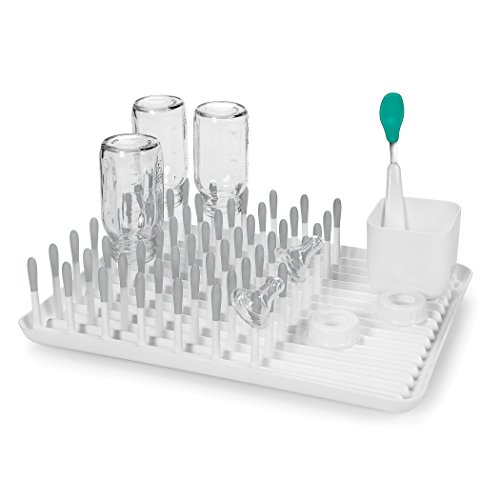
- countertop baby bottle drying rack with tray
- dish rack for baby bottles and nipples
- air-tight baby bottle storage containers set


Before You Start
Ensure the cleaning and drying area is free from household contaminants. Clean and dry hands before handling bottles. Let bottles air-dry completely on a rack to prevent moisture buildup that can harbor bacteria. If using a dishwasher, verify that bottles are dishwasher-safe and place them on the top rack. Keep the drying area away from kitchens or bathrooms with strong odors, which can permeate plastic or silicone parts. Time estimates: 20–40 minutes for washing, 10–20 minutes for drying, plus storage time.
Step-By-Step: How To Store Clean Baby Bottles
- Gather all bottle parts: bottles, nipples, rings, caps, and cleaning brushes.
- Wash using hot, soapy water or run through a baby bottle sterilizer with drying rack if preferred.
- Rinse thoroughly to remove all detergent residues.
- Place items on a clean drying rack, ideally a dish rack for baby bottles and nipples, until completely dry.
- Inspect each part for wear or cracks; discard any damaged components.
- Assemble components loosely for air circulation if you plan to store assembled bottles.
- Store bottles upright in a clean, air-tight baby bottle storage containers set or dedicated cabinet to protect from dust.
- Label storage containers with dates if you wash in batches to manage turnover.
- Keep the sterilizing equipment and storage containers in a dry area away from heat or direct sunlight.
- Regularly wipe down the storage area to prevent spills and mold growth.
- Periodically re-sterilize bottles, especially during illness outbreaks or if daycare sharing occurs.
- Replace any parts that show signs of damage or wear to maintain hygiene standards.
Troubleshooting
| Symptom | Likely Cause | Fix | Prevention |
|---|---|---|---|
| Milk smell lingering after washing | Detergent residue or insufficient rinsing | Rinse thoroughly; consider a second rinse cycle | Use a clean, dedicated drying area |
| Dust on stored bottles | Open storage area or inadequate sealing | Switch to a air-tight baby bottle storage containers set and seal | Keep containers closed when not in use |
| Moisture inside storage container | Moisture trapped in container | Ensure complete drying before storing; prop containers to allow airflow | Air-dry shelves or racks between uses |
| Cracked nipples after storage | Over-tightening caps or rapid temperature change | Inspect seals and use gentle temperature variations | Store away from direct heat sources |
| Odor transfer from storage area | Plastic components absorbing smells | Rotate to glass or odor-resistant containers | Keep area well-ventilated |
Common Mistakes
- Storing bottles while still damp, which encourages mold growth.
- Using open storage that collects dust or kitchen odors.
- Mixing different brands of parts that don’t fit snugly, causing leaks or contamination.
- Overcrowding shelves, blocking airflow and prolonging drying times.
- Ignoring expiration or wear signs on nipples and rings.
Tip: Establish a routine to wash, dry, and store bottles at the same time each day to maintain consistency and hygiene.
Tips For Best Results
- Prefer air-dried storage over towel-drying to avoid lint transfer onto bottle interiors.
- Choose a bottle rack with stable footing to prevent tipping when loading or unloading.
- If space is tight, use a compact countertop baby bottle drying rack with tray that also catches drips.
- Rotate parts so rarely used items are kept in the back and cleaned regularly.
- Keep a spare set of nipples and caps to minimize frequent washing cycles during busy days.
Call A Professional
If you notice persistent mold growth, persistent unusual odors after thorough cleaning, or recurrent nipple cracking that affects seal integrity, consult a pediatric healthcare provider or a qualified appliance technician for guidance. Seek professional help if you encounter cracks in the bottle glass or persistent dishwasher residue that cannot be removed.
FAQ
How often should I sanitize baby bottles?
Sanitize after each use or at least daily during periods of illness or daycare sharing.
Can I store assembled bottles?
Yes, but ensure they are completely dry and stored upright to prevent milk residue buildup.
What is the best storage method to prevent odors?
Use an airtight storage container and keep the area well-ventilated.
Are glass bottles better to store than plastic?
Both are safe if cleaned and dried properly; choose based on durability, weight, and cleaning preferences.
Buying Guide
Choosing the right accessories for storing clean baby bottles depends on space, routine, and hygiene goals. Key considerations include size, noise level, energy efficiency, controls, and placement.
- Size and capacity: How many bottles and accessories need drying and storage at a time?
- Noise level: Drying racks with quiet operation reduce nighttime disruptions.
- Energy efficiency: A compact sterilizer with drying functions uses less energy than running a full dishwasher.
- Controls: Simple timers and automatic shutoffs prevent over-processing and save time.
- Placement: Countertop models work in small spaces; consider under-cabinet mounting for larger homes.
When comparing options, evaluate the combination of a baby bottle sterilizer with drying rack and compatible storage solutions like air-tight baby bottle storage containers set to maintain hygiene from washing to storage. For families needing fast, single-room setups, a dish rack for baby bottles and nipples paired with stainless steel drying solutions can provide durability and easy cleaning. Consider your daily routine, daycare sharing, and space constraints to pick a system that keeps bottles clean, dry, and ready for feeding.