Air bubbles in a toilet bowl can indicate a drainage or venting issue that, if left unchecked, may lead to frequent clogs or sewer gas entry. This guide explains practical steps and tools commonly used in U.S. households to diagnose and resolve the problem safely and effectively.
Readers will learn why air appears in the toilet, how to apply common DIY methods, and when it’s wise to call a professional to prevent further damage.
Quick Answer
Start with a standard toilet plunger with flange to clear minor clogs. If air persists, use a toilet auger drain snake to break deeper blockages. Check for venting issues with a air admittance valve plumbing or a plumbing vent kit for toilet. If the wax ring or flange is damaged, replace them with a toilet repair kit wax ring flange bolts. Always turn off the water supply first and work slowly to avoid damaging seals.
What You’ll Need
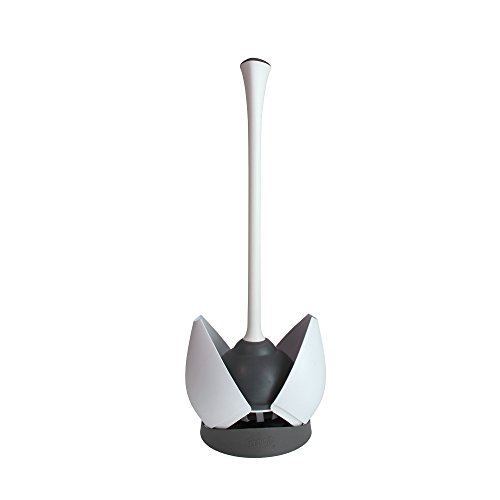
- Toilet plunger with flange for better seal and suction
- Toilet auger drain snake to dislodge deeper blockages
- Air admittance valve plumbing as an optional venting check
- Plumbing vent kit for toilet to restore proper venting if needed
- Toilet repair kit wax ring flange bolts for reseating the toilet and sealing joints


Before You Start
Prepare a clean workspace and protect flooring with towels or newspaper. Shut off the water supply to the toilet and drain the tank to prevent spills. Have a bucket ready for wastewater and a mop for cleanup. If you smell sewage or see standing water that won’t drain, avoid excessive plunging, as it may force waste into the drain line and worsen odors. Consider wearing gloves and eye protection to prevent contact with cleaning agents or sewage.
Step-By-Step: How To Clear Air Bubbles In A Toilet
- Place the toilet plunger with flange over the toilet hole, ensuring a tight seal; push and pull gently to loosen the blockage.
- If the plunger doesn’t clear the clog, insert the toilet auger drain snake into the drain, rotating the handle to extend the coil and capture the blockage.
- Turn the water back on briefly to test flow; if the toilet still bubbles, check the toilet’s trap and rim for residual debris and reattempt with care.
- Inspect for venting issues by gently lifting the toilet tank lid and observing the vent system; if the vent appears blocked, proceed to the next step cautiously.
- Consider installing or testing an air admittance valve plumbing to determine if a venting restriction is causing negative pressure that creates bubbles.
- If venting is suspected, install a plumbing vent kit for toilet or have a licensed plumber evaluate the home’s main vent stack for obstructions or improper configuration.
- For a suspected seal or wax ring issue, drain the toilet, remove it, and inspect the toilet repair kit wax ring flange bolts; replace as needed and reinstall the toilet firmly to stop air from escaping into the bowl.
- Flush the toilet several times to confirm a clean, bubble-free discharge; watch for new air bubbles during the flush cycle.
- Document which steps produced improvement; if air bubbles recur, proceed to professional assessment to rule out sewer line or vent system problems.
- Schedule maintenance as needed to prevent recurring issues, especially in older homes with aging plumbing stacks.
Troubleshooting
| Symptom | Likely Cause | Fix | Prevention |
|---|---|---|---|
| Air bubbles rise when flushing | Partial clog or vent restriction | Use plunger then auger; inspect venting | Regular maintenance and vent checks |
| Strong sewer smell | Damaged wax ring or seal | Replace wax ring and bolts | Proper toilet installation and seat height |
| Water level unstable | Float valve misadjusted | Adjust float or replace fill valve | Test after any repair |
| Gurgling noises in drains | Vent stack blockage | Clear or replace vent components | Avoid pouring grease down drains |
Common Mistakes
- Using excessive force with a plunger, which can crack porcelain
- Neglecting vent system issues and focusing only on the bowl
- Over-tightening bolts when reseating the toilet, causing leaks
- Ignoring odors that persist after initial fixes
Tips For Best Results
- Work slowly when inserting a toilet auger to avoid scratching the porcelain.
- Measure and confirm venting compatibility before installing a vent kit; improper venting can worsen pressure issues.
- Keep a log of fixes and symptoms to help a professional diagnose recurring problems quickly.
- Choose parts with compatible threading and seals to ensure a reliable, watertight connection.
Call A Professional
Stop and seek help if any of the following apply: the toilet continues to bubble after all DIY steps, there is a strong sewer odor that intensifies, water backs up into other fixtures, or you suspect a collapsed drain line. Complex venting problems, main line blockages, or recurring leaks typically require licensed plumbing expertise to prevent property damage and ensure code compliance.
FAQ
What causes air bubbles in a toilet bowl?
Air bubbles often result from partial clogs, venting restrictions, or seal failures around the toilet that allow air to escape through the drain during flushing.
Can an air admittance valve fix toilet bubbles?
Yes, an air admittance valve can help by providing an alternative vent path; however, it should be installed in accordance with local code and after confirming the root cause.
Is a rusty or damaged wax ring dangerous?
Damaged wax rings can cause leaks and sewer gas entry; replacement is essential for a proper seal and safety.
When should I replace a toilet or drain components?
Replace components when there are persistent leaks, persistent odors, recurring clogs, or visible damage to seals, bolts, or the flange.
Are vent kits always needed to fix bubbles?
Not always; many bubbles are due to clogs resolved with plunging or snaking, but persistent bubbles after clearing a clog often indicate venting issues that may require a vent kit or professional assessment.
Buying Guide
When selecting tools and parts to address air bubbles in a toilet, consider several factors that affect performance and long-term reliability.
- Size and fit: Ensure toilet plunger with flange fits the toilet opening securely and provides a proper seal. For low-clearance setups, a slim auger may be easier to maneuver.
- Noise level: Some augers and vents can be noisy; look for models with reduced friction components or rubberized handles for quieter operation.
- Energy efficiency: Venting devices and air admittance valves consume minimal energy or none; focus on proper sizing and installation rather than energy use.
- Controls and ease of use: Simple manual operation with clear instructions helps prevent user error and improves outcomes.
- Placement and compatibility: Ensure only compatible parts are used with existing plumbing materials and codes; check connection types and thread sizes.
- Durability and warranty: Look for durable components with solid seals and a reliable warranty, especially for wax rings and flange bolts.
- Code compliance: Venting and admittance devices should meet local plumbing codes; consult a professional if unsure.
- Maintenance: Choose parts easy to replace or service, and plan a preventive maintenance routine to minimize future bubbles.