Oily hair can be a daily challenge for many Americans, especially in humid climates or during active days. This guide provides practical, natural approaches to reduce excess oil, improve scalp health, and keep hair looking fresh between washes.
By combining gentle cleansing, scalp care, and mindful styling tools, readers can lower oil production without harsh chemicals or expensive treatments. The following steps emphasize accessible products and routines that work in real life.
Quick Answer
Quick method: Wash with a clarifying or balancing shampoo, use a silicone scalp massager brush to stimulate and exfoliate, and finish with a breathable styling routine. Space shampoos to every other day when possible and avoid over-brushing.
What You’ll Need
- Boar Bristle Brush For Oily Hair Oil Control
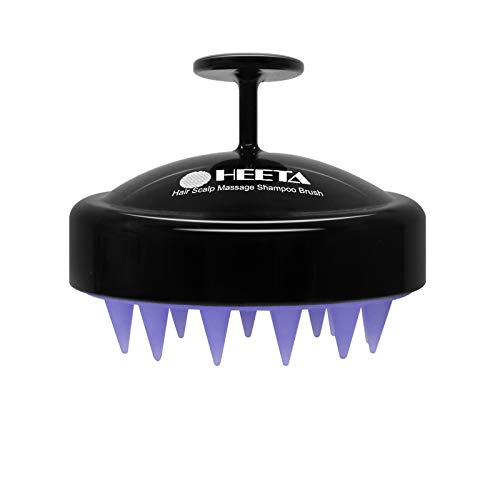
- Silicone Scalp Massager Brush For Oily Hair
- Exfoliating Scalp Brush For Oily Scalp Cleansing
- Microfiber Hair Towel For Oil Absorption And Drying
- Clarifying Shampoo Brush Shower Tool For Oily Hair

Before You Start
Assess your scalp and hair type to tailor the routine. Use warm water to help rinse oil without stripping moisture. Avoid heavy conditioners on the scalp; apply only to mid-lengths and ends. Time estimates vary by routine: a complete scalp refresh can take 20–40 minutes, including brushing and drying.
Caution: Be gentle with brushes and scalp, especially if you have sensitive skin or irritation. Over-brushing can stimulate oil production briefly but may irritate the scalp if done aggressively.
Step-By-Step: How To Get Rid Of Oily Hair Naturally
- Prepare the hair with a warm rinse to loosen oil and product buildup, then apply a small amount of clarifying shampoo to the scalp.
- Use the Exfoliating Scalp Brush As You Lather to physically remove sebum and dead skin without scrubbing harshly.
- Gently massage the scalp with the Silicone Scalp Massager Brush to boost circulation and distribute cleansing agents, avoiding excessive pressure.
- Rinse thoroughly with lukewarm water, ensuring all shampoo is removed to prevent product buildup that can weigh hair down.
- Apply conditioner only to mid-lengths and ends; do not apply heavy product to the scalp to avoid excess oil.
- Wrap the hair in a Microfiber Hair Towel and blot lightly to remove moisture; air drying is preferred when possible.
- Blow-dry using a cool to warm setting, keeping the nozzle away from the scalp to minimize heat-induced oil production.
- Style with lightweight products or dry shampoo on days between washes to absorb oil and refresh volume.
- Brush with the Boar Bristle Brush For Oily Hair Oil Control to distribute natural oils along the hair shaft and reduce buildup at the roots.
- Maintain a regular routine: wash intervals can vary from every other day to every 2–3 days depending on activity and climate.
- Spots to watch: if oil persists despite routine, consider alternating products or consulting a dermatologist for scalp health concerns.
Troubleshooting
| Symptom | Likely Cause | Fix | Prevention |
|---|---|---|---|
| Scalp feels taut after washing | Over-cleansing or very hot water | Use lukewarm water and stop before scalp feels dry | Balance with conditioner on ends only |
| Roots look oily the same day | Heavy products or insufficient rinsing | Rinse thoroughly; switch to lighter formulas | Limit conditioner to mid-lengths and ends |
| Hair lacks volume after brushing | Over-brushing or using heavy tools | Switch to boar bristle brush and brush when dry | Brush only as needed to distribute oils |
| Scalp itchy or flaky | Dry scalp or buildup | Use exfoliating scalp brush and clarifying wash | Cycle in scalp-friendly routines without harsh scrubs |
Common Mistakes To Avoid
- Over-washing, which can strip natural oils and trigger rebound oil production
- Applying heavy conditioners or oils to the scalp
- Skipping rinses or using hot water that irritates the scalp
- Using overly abrasive brushes that irritate the skin
Keeping things light and deliberate helps maintain scalp balance over time.
Tips For Best Results
- Rotate tools: combine the silicone scalp massager with the exfoliating scalp brush to maintain cleansing efficiency without overdoing it.
- Rinse thoroughly: ensure all product is removed to prevent buildup and additional oil-sheening residues.
- Air-dry when possible: reduce heat exposure which can stimulate oil production and scalp dryness.
- Use microfiber towels: they absorb moisture faster and with less friction than cotton towels.
- Even oil distribution: the boar bristle brush helps distribute natural oils toward the ends for a healthier look.
Call A Professional
Seek professional advice if persistent oiliness is accompanied by redness, irritation, or hair thinning. If scalp conditions like seborrheic dermatitis or psoriasis are suspected, consult a dermatologist for a tailored treatment plan.
FAQ
Can I use a clarifying shampoo every day?
Clarifying shampoos are typically used 1–2 times per week to remove buildup; daily use may strip moisture.
Is a scalp brush safe for all hair types?
Most scalp brushes are safe for many hair types, but adjust pressure and frequency for fragile or chemically treated hair.
How often should I replace my brushes?
Inspect for frayed bristles and replace when bristles wear down or lose effectiveness, typically every 3–6 months.
Will dry shampoo replace washing?
Dry shampoo can refresh between washes but shouldn’t replace regular cleansing for oily scalps over the long term.
What if oil returns quickly after washing?
Consider adjusting wash frequency, using lighter products, and ensuring thorough rinsing and brushing technique.
Buying Guide
When selecting products to manage oily hair, buyers should weigh several factors:
- Size and weight: Choose tools that feel comfortable in hand, especially for daily use. Larger brushes can cover more scalp, but a compact option may be easier to maneuver.
- Noise level: Some massagers are quieter than others; quiet options reduce daily disruption, especially in shared spaces.
- Energy efficiency: Manual tools require no power, while electric brushes vary in battery life. Look for long-lasting batteries and energy-efficient designs.
- Controls and ease of cleaning: Simple, soap-safe materials and easy disassembly help maintain hygiene.
- Placement and storage: Durable hooks or stands keep tools accessible and dry between uses.
- Material and durability: Boar bristles distribute oils naturally; silicone brushes resist buildup and are easy to sanitize.
- Compatibility with hair type: Fine hair can be sensitive to aggressive brushes; opt for gentler options with soft bristles for daily use.
- Maintenance routine: Consider a kit that includes a microfiber towel and a cleansing brush to simplify upkeep.
In practice, a balanced combination—such as a silicone scalp massager brush paired with an exfoliating scalp brush, plus a boar bristle brush for oil distribution—often yields the best results for oily hair. Are you ready to customize a routine that fits your climate, activity level, and hair texture?