Luxurious vinyl tile (LVT) flooring offers beauty with practical resilience, but deep cleaning requires a method that respects its seams and coatings. This guide provides step-by-step instructions to refresh LVT surfaces, remove ground-in dirt, and maintain their appearance without causing damage. American homeowners can follow these practical steps using common cleaning tools designed for LVT care.
Quick Answer
To deep clean LVT, start with a light sweep or vacuum to remove loose debris, diffuse cleaner with a microfiber approach, then scrub with a non-abrasive pad or brush. Rinse lightly and dry thoroughly to prevent streaks. Use a spray mop or microfiber mop system for even coverage, and choose non-scratch tools to protect the surface.
What You’ll Need
The following tools and supplies are recommended for a safe, thorough deep clean of LVT floors. They maximize efficiency and protect the finish.
- Microfiber mop for luxury vinyl tile cleaning
- Non-scratch vinyl plank floor scrub brush set
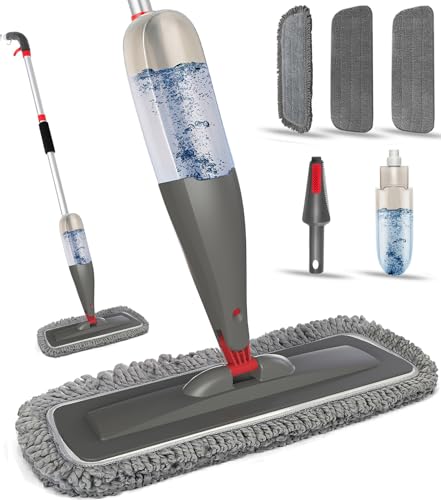
- Spray mop for LVT flooring deep clean
- LVT safe floor scrub pad non abrasive
- Vinyl plank floor cleaning kit microfiber mop pads


Before You Start
Prepare the space by removing furniture or moving items out of the way. Vacuum or dry-mweep to lift loose dirt before washing. Use a mild, pH-neutral cleaner designed for vinyl or premium vinyl tile surfaces. Avoid ammonia-based products or acidic cleaners that can dull the finish. Ensure floor is dry between passes to prevent slipping. Protect corners and seams by using non-abrasive tools only, especially around edges near baseboards. Plan for a total cleaning time of 30–60 minutes depending on room size and soil level.
Step-By-Step: How To Deep Clean LVT Flooring
- Clear the area and perform a thorough dry clean with a microfiber broom or vacuum designed for hard floors to remove dust and grit.
- Spot-check any sticky or heavily soiled areas, applying a small amount of cleaner and letting it dwell for a minute before scrubbing with a non-scratch pad.
- Prepare the cleaning solution per manufacturer instructions, using a neutral pH formula suitable for LVT surfaces.
- Attach the microfiber mop for luxury vinyl tile cleaning to a spray mop or use a dedicated microfiber pad, evenly applying the solution across the floor in sections.
- Scrub with a non-scratch vinyl plank floor scrub brush set or a LVT safe floor scrub pad non abrasive to lift embedded dirt from grooves and texture without scouring the surface.
- Rinse or wipe the area with a damp microfiber pad to remove any cleaner residue, especially in high-traffic zones and near thresholds.
- Dry the floor with a clean, dry microfiber pad or a soft towel to avoid water marks and slip hazards.
- Inspect the floor for missed spots and repeat as necessary, focusing on grout lines or seams where dirt tends to accumulate.
- Return furniture and rugs after the floor is completely dry, checking for any remaining damp patches that could trap dirt later.
- Store tools properly and wash reusable pads according to care instructions to preserve their efficacy for future cleanings.
- Schedule periodic maintenance cleanings to prevent buildup and extend the life of the LVT finish.
- For larger homes, consider dividing rooms into zones and cleaning in a logical path to prevent gaps and ensure even coverage.
Troubleshooting
| Symptom | Likely Cause | Fix | Prevention |
|---|---|---|---|
| Streaks or hazy film | Residue from cleaner or inadequate rinsing | Wipe with a damp microfiber pad and dry thoroughly | Use only pH-neutral cleaners; avoid wax-based products |
| Scratch-like marks | Using abrasive pads or rough brushes | Switch to non-abrasive pads; never use steel wool | Choose dedicated LVT-safe tools |
| Sticky patches after cleaning | Soldered debris or oversaturation | Spot-clean with minimal solution and dry immediately | Use less liquid; ensure thorough drying |
| Discoloration at seams | Harsh cleaners or long dwell time | Re-clean with neutral cleaner and rinse | Follow product guidelines and test in hidden area first |
Common Mistakes
- Using ammonia or vinegar-heavy cleaners on LVT finishes
- Over-wetting floors, especially in seams and edges
- Scrubbing with abrasive tools or stiff brushes
- Relying on wax or polish products that alter texture or slip resistance
Tips For Best Results
- Employ a systematic cleaning pattern to ensure even coverage and avoid missed spots.
- Rotate cleaning pads to prevent smudges from reused dirty surfaces.
- Test cleaners in a small, inconspicuous area before full-room use.
- Schedule deep cleans less frequently if the floor experiences light traffic to preserve the finish longer.
- Use a spray mop with a microfiber pad for quick refreshes between deeper cleanings.
Call A Professional
Consider consulting a flooring specialist if the floor has severe staining, warping, or if the surface finish appears compromised. Stop cleaning and seek guidance if the floor shows persistent discoloration, delamination, or moisture intrusion behind the planks. Pro assistance is advised for repairs or refinishing to prevent damage and preserve warranty coverage.
FAQ
Can I use hot water to clean LVT?
Hot water can be effective in lifting dirt but may accelerate wear if used excessively. Use warm or room-temperature water with a neutral cleaner.
Is steam cleaning safe for LVT?
Steam is generally not recommended as excessive moisture and heat can affect seams and adhesives. Check manufacturer guidelines for your specific product.
How often should I deep clean LVT?
Deep clean every 1–3 months depending on foot traffic and indoor conditions; routine spot cleaning can be daily or weekly.
What should I do about pet stains on LVT?
Act quickly by blotting up moisture and cleaning with a pet-safe, neutral cleaner to minimize stains and odors.
Are there eco-friendly cleaners for LVT?
Yes, many manufacturers offer pH-neutral, low-VOC cleaners that are safe for vinyl floors and the environment.
Will mats or rugs affect cleaning?
Place washable mats at entryways to reduce dirt tracking and protect the floor from abrasive grit during cleaning.
Can I use commercial floor cleaners on LVT?
Only if labeled safe for luxury vinyl tile and approved by the floor manufacturer. Avoid harsh solvents.
Buying Guide
When selecting tools and products for deep cleaning LVT floors, consider size, noise, and ease of use. A spray mop system with microfiber pads can offer efficient coverage without heavy equipment. Look for pads labeled non-abrasive and compatible with vinyl floors to protect the surface. Energy-efficient cleaning tools reduce effort and environmental impact.
Key factors include:
- Size: Choose a mop or kit that fits both large open areas and tight corners; modular tools can adapt to different spaces.
- Noise level: Quiet operation is beneficial for homes with sleeping children or nearby rooms.
- Energy efficiency: Reusable microfiber pads cut waste; low-energy cleaning cycles save time and resources.
- Controls: Simple spray mops with adjustable triggers or integrated spray controls help control cleaner use.
- Placement: Store cleaning tools in an accessible location near the cleaning area; consider a small caddy for quick access.
For best results, compare kits that include microfiber mop pads and a non-scratch scrub option. Evaluate how many rooms you intend to clean and whether you need a dedicated kit for busy households. If you have expansive spaces or multiple floors, a modular approach with interchangeable heads can be a practical long-term investment.