Cleaning fabric sofa stains requires a careful approach to protect the upholstery while lifting messes effectively. This guide provides a practical, step-by-step method using common household tools and targeted stain removers to restore fabric without oversaturating the cushion.
Readers will find actionable steps, safety notes, and product suggestions designed for American households. The focus is on stain pretreatment, gentle cleaning, and finishing touches that help maintain color and texture over time.
Quick Answer
Identify the stain type (food, beverage, oil, or unknown). Pre-treat with a fabric-safe stain remover or pretreatment, then gently blot and clean with a soft cloth or brush. For stubborn stains, use a steam cleaner or an upholstery cleaning kit and finish with microfiber cloths. Always test a hidden area first.
What You’ll Need
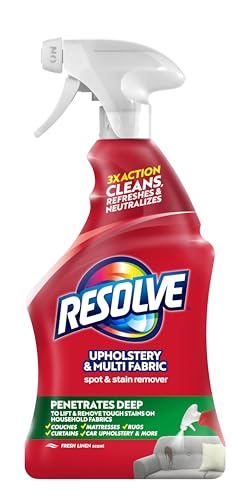
- Upholstery fabric stain remover spray 32 oz
- Stain pretreatment for fabric sofa upholstery 16 oz
- Steam cleaner for fabric sofa upholstery
- Upholstery cleaning kit with brushes and microfiber cloths
- Microfiber cleaning cloths for upholstery stain removal


Before You Start
Clear the area and vacuum the sofa to remove loose debris. Check the care label on the furniture for cleaning codes (W, S, WS, or X). If the label indicates water-based cleaning, you can use soap and water; solvent-based cleaners require caution. Do a spot test on an inconspicuous area for colorfastness. Allow surfaces to dry completely between steps to prevent re-staining.
Time estimate: 30–90 minutes for typical stains, depending on severity and drying time. Plan for multiple passes if the stain is set.
Step-By-Step: How To Clean Fabric Sofa Stains
- Inspect the stain and gently blot any excess liquid with a clean microfiber cloth; avoid rubbing as this can spread the stain.
- Apply a stain pretreatment for fabric sofa upholstery to the affected area and let it sit per label instructions.
- Use the upholstery fabric stain remover spray 32 oz to treat the stain with a light, even spray; work from the outside inward.
- Gently agitate with the brushes from the upholstery cleaning kit with brushes and microfiber cloths to lift pigment without harming fibers.
- Blot with a clean damp microfiber cloth to lift loosened material; repeat as needed until the stain is reduced.
- For set-in or stubborn stains, use a steam cleaner for fabric sofa upholstery on a low, controlled setting, keeping the nozzle at a safe distance to avoid saturation.
- Rinse the area with a barely damp cloth to remove cleaner residues; blot dry with a fresh microfiber towel.
- Allow the spot to air dry completely before sitting on the sofa again. If needed, repeat steps on the same area.
- Brush the fabric lightly once dry to restore nap and texture; consider a light vacuum to finish.
- Perform a final overall wipe with microfiber cloths to remove any remaining cleaner residue and lint.
Troubleshooting
| Symptom | Likely Cause | Fix | Prevention |
|---|---|---|---|
| Dull or uneven color after cleaning | Insufficient rinsing or over-wetting | Re-wet lightly and blot with clean cloth; repeat rinse steps | Test in hidden area; use minimal moisture |
| Stain reappears after drying | Residue left behind | Re-apply pretreatment and clean again, ensuring thorough removal | Wait for complete drying before reuse |
| Fabric feels stiff after cleaning | Harsh cleaners or over-drying | Lightly mist with water and blot; use conditioner if fabric-safe | Use milder cleaners and avoid excess moisture |
| Color transfer to cloth after blotting | Incompatible dye or solvent | Stop and consult a professional if colorfastness is uncertain | Always test in a hidden spot |
Common Mistakes
- Using hot water on protein-based stains like coffee or milk; it can set the stain.
- Over-saturating the fabric, which delays drying and invites mold.
- Rubbing aggressively, which can embed stain deeper into fibers.
- Neglecting a proper spot test; outcomes vary by fabric type.
- Skipping drying time, leading to residual moisture and odor.
Tips For Best Results
- Test any cleaner on a hidden area of the sofa before full application.
- Work from the outside of the stain toward the center to prevent spreading.
- Use the right tool for the job: brushes for agitation, microfiber cloths for blotting, and a steam cleaner for deeper cleaning when safe for the fabric.
- After cleaning, keep the room well-ventilated to speed up drying.
- Consider using microfiber cloths for frequent cleanups to reduce fiber shedding and improve absorption.
Call A Professional
Professional help is advised for delicate fabrics, large or stubborn stains, or if the care label restricts home cleaning methods. Seek a pro if you notice color fading, fabric fraying, persistent odors, or if the stain reappears after multiple attempts.
FAQ
Is it safe to use an upholstery cleaning kit on all fabric types?
Most kits are designed for common household fabrics, but always check the care label and perform a patch test first.
Can I use a steam cleaner on any fabric?
Steam is suitable for many textiles, but some fabrics may be sensitive to heat or moisture; verify compatibility before use.
How long should I wait after cleaning before sitting on the sofa?
Allow thorough drying, typically 1–4 hours depending on humidity and ventilation.
What if the stain returns after cleaning?
Re-treat with the stain pretreatment and repeat the cleaning steps, ensuring complete drying between passes.
Are microfiber cloths reusable?
Yes, microfiber cloths are durable and can be washed and reused many times for upholstery care.
Buying Guide
When choosing products to clean fabric sofa stains, consider factor-by-factor options that fit household needs and fabric types.
- Size and coverage: Look for a bottle that fits your typical stain load; larger homes benefit from bigger bottles with spray handles.
- Noise level: Steam cleaners and some cleaning kits operate quietly enough for home use; quieter models reduce disruption.
- Energy efficiency: Electric steam cleaners use energy, so select energy-conscious models if you clean often.
- Controls: Simple spray-and-wipe controls simplify routine maintenance for busy households.
- Placement: Store cleaners in a dry, accessible area; clearly label products to prevent cross-use on delicate fabrics.
- Compatibility: Check fabric care codes (W, S, WS) and ensure cleaners are safe for those codes.
For a well-rounded approach, pair a upholstery cleaning kit with brushes and microfiber cloths for everyday stains with a steam cleaner for fabric sofa upholstery for tougher jobs. The combination provides flexibility for different messes while protecting fabric integrity.