Plexiglass shower doors offer a clear, modern look but require careful cleaning to prevent scratches and cloudiness. This guide provides practical, user-friendly steps to restore clarity without damaging the acrylic surface, using common household tools and specifically chosen cleaners.
Quick Answer
To clean plexiglass shower doors effectively: wipe with a soft microfiber cloth, use a non-abrasive acrylic cleaner, rinse with warm water, dry with a clean cloth, and regularly remove hard water minerals with a dedicated shower door stain remover for acrylic. For stubborn spots, a squeegee helps prevent water streaks.
What You’ll Need
- plexiglass shower door cleaner spray acrylic safe
- non-abrasive acrylic cleaner for shower doors
- squeegee for plexiglass shower doors
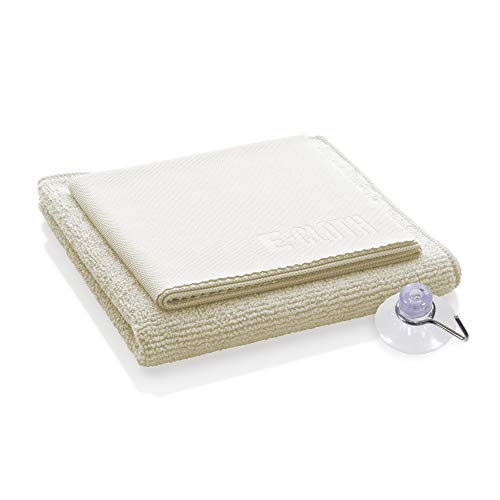
- microfiber cleaning cloths for acrylic shower doors
- shower door hard water stain remover for acrylic


Before You Start
Establish a routine that minimizes buildup, and always work in the shade or indirect light to avoid rapid drying that can leave streaks. Wear gloves to protect the acrylic’s surface from cleaners with strong solvents. Ventilate the bathroom well, especially when using spray cleaners. Time estimate: 15–30 minutes for a standard shower; more for heavy buildup. Critical cautions: avoid abrasive pads, avoid ammonia-based cleaners on acrylic, and never use solvent-based products that can haze the surface.
Step-By-Step: How To Clean Plexiglass Shower Doors
- Remove any loose debris from the door with a dry microfiber cloth.
- Spray a dedicated plexiglass shower door cleaner evenly across the surface.
- Let the cleaner sit for 30–60 seconds to loosen soap scum and mineral deposits.
- Gently wipe with a soft microfiber cloth, applying light circular motions to lift stains.
- For stubborn spots, apply a small amount of non-abrasive acrylic cleaner and repeat wiping motions.
- Rinse the door with warm water to remove cleaner residue.
- Dry the surface with a clean microfiber cloth to prevent water spots and streaks.
- Run a squeegee from top to bottom to remove remaining moisture after each shower.
- For mineral buildup that persists, apply a shower door hard water stain remover for acrylic following label directions, then rinse and dry.
- Inspect the door for any remaining haze; repeat targeted cleaning on small areas as needed.
- Wipe door frames and metal tracks to prevent residue transfer onto the acrylic surface.
- Schedule a quick weekly wipe-down to maintain clarity and reduce buildup.
Troubleshooting
| Symptom | Likely Cause | Fix | Prevention |
|---|---|---|---|
| Cloudy appearance after cleaning | Residue or soap scum left behind | Wipe again with a microfiber cloth and rinse thoroughly | Rinse well after every cleaning |
| Streaks or fine lines | Drying too quickly or using a rough cloth | Use lint-free microfiber and dry with a soft cloth | Dry surfaces in shade |
| Scratches appearing | Aggressive scrubbing or abrasive tools | Switch to non-abrasive cleaners and soft cloths | Avoid scrubbing pads |
| Stains despite cleaning | Hard water mineral buildup | Apply a dedicated hard water remover for acrylic | Wipe and dry after each use; consider a preventive water softener |
Common Mistakes
- Using abrasive pads on plexiglass or acrylic surfaces.
- Applying cleaners containing ammonia or solvents that can haze the surface.
- Neglecting to rinse thoroughly, leaving residue behind.
- Neglecting to dry the surface, which invites mineral deposits and streaks.
Tips For Best Results
- Combine microfiber cloths with a spray cleaner formulated for acrylic to protect the surface.
- Use a squeegee after each shower to minimize mineral buildup over time.
- Clean high-traffic doors more frequently to avoid heavy buildup from hard water and soap residues.
- Store cleaners in a cool, ventilated area and follow all label directions for safety.
- Test any new cleaner on a small, inconspicuous area before full use to confirm compatibility.
Call A Professional
Consider professional help if:
- Stubborn mineral stains persist after multiple cleanings.
- Visible crazing or deep scratching appears on the plexiglass surface.
- The door shows warping or structural issues in the track or frame.
In these cases, a professional can assess surface integrity, protect coatings, and advise on refinishing options to restore clarity without aggravating damage.
FAQ
What cleaner is best for plexiglass shower doors?
Use a spray designed for acrylic or plexiglass that is non-abrasive and free of ammonia to prevent hazing.
Can I use vinegar to clean plexiglass doors?
Vinegar is generally safe in small amounts, but avoid strong concentrations or prolonged exposure; test first, and consider a dedicated acrylic cleaner for best results.
How do I remove hard water stains from acrylic?
Apply a dedicated hard water stain remover for acrylic, follow the product directions, then rinse and dry thoroughly.
Is a squeegee necessary?
A squeegee helps prevent water streaks and mineral buildup, especially in areas with hard water.
How often should I clean plexiglass shower doors?
Wipe down the doors after each shower and perform a deeper clean weekly or biweekly, depending on water hardness and usage.
Buying Guide
When choosing cleaning supplies for plexiglass shower doors, consider the following factors to optimize results and longevity.
- Size and fit: Ensure cleaners and squeegees are compatible with your door dimensions and track width. Some squeegees are adjustable to cover wide or narrow panels.
- Noise level: Some cleaning tools, especially mechanical brushes or spray dispensers, can produce noise. Opt for quiet, hand-operated options for a calmer bathroom routine.
- Energy efficiency: While cleaning doesn’t consume energy directly, choosing long-lasting, concentrated cleaners reduces waste and trips to the store.
- Controls and application: Look for spray bottles with a fine mist that evenly coats surfaces and soft, lint-free cloths for gentle cleaning.
- Placement: Store cleaners away from children and in a cool, dry place to preserve effectiveness and avoid chemical exposure.
- Surface compatibility: Confirm cleaners are labeled safe for acrylic or plexiglass to prevent clouding or hazing.
- Ease of use: A combination kit that includes a cleaner, squeegee, and microfiber cloths offers a complete workflow.
- Maintenance needs: Regularly assess mineral buildup in hard-water areas and select a dedicated stain remover if needed.
With the right toolkit and routine, plexiglass shower doors stay clear and bright, enhancing the bathroom’s overall look and feel. If you have unique fixtures or sensitive coatings, consult manufacturer recommendations to tailor the cleaning approach.