Steam irons rely on a clean water reservoir to produce effective steam and prevent mineral buildup. Over time, mineral deposits can reduce efficiency and cause odors or staining. This guide walks through a practical, safe method to clean the steam iron’s water tank using common descaling products and simple tools, with step-by-step instructions and safety tips.
Quick Answer
Fill the reservoir with distilled water and a descaler designed for steam irons. Run the self-cleaning cycle or manually flush the system until the water runs clear. Rinse with clean distilled water, then dry the reservoir before storage.
What You’ll Need
- Steam iron water tank cleaner descaler tablets
- Descaler powder for steam iron water reservoir
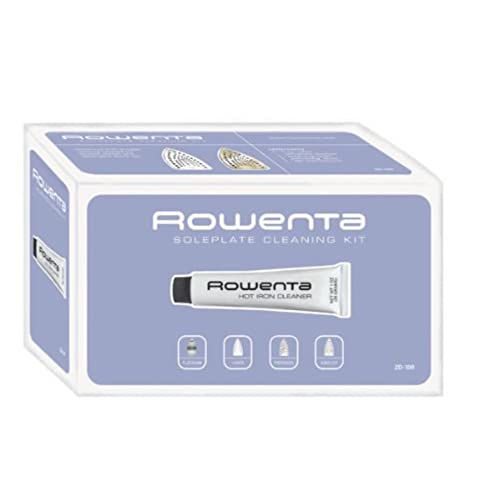
- Steam iron self-cleaning cycle cleaner kit
- Steam iron mineral buildup remover for water tank
- Water reservoir cleaning brush for steam iron


Before You Start
Unplug the iron and allow it to cool completely before handling. Avoid using harsh chemicals that could damage gaskets or the soleplate. Work in a well-ventilated area and lay down a towel or mat to catch any drips. Time estimate: 15–30 minutes for a thorough cleaning. Important: Do not operate the iron if any residual water leaks from seals after cleaning. Check the manual for model-specific instructions.
Step-By-Step: How To Clean Steam Iron Water Tank
- Empty the water reservoir and unplug the iron. Remove any detachable parts as directed by the user manual.
- Prepare a descaler solution using a tablet or powder specifically formulated for steam irons. Follow the product instructions for correct dosage.
- Pour the descaler solution into the water tank, using distilled water if the product requires it. Do not exceed the recommended fill line.
- Plug in the iron and set it to the steam or self-clean setting as described in the manual. Run the cycle until the reservoir is nearly empty, allowing the descaler to pass through the system.
- Turn off the iron and let it cool briefly. Refill the reservoir with clean distilled water and run the self-clean cycle again to rinse residual minerals.
- Once the water runs clear, unplug and empty the reservoir. Wipe the exterior and the soleplate with a damp cloth to remove any loosened minerals or residue.
- Fill the tank with clean distilled water only. Turn the iron on to produce steam for about a minute to ensure a final flush of the system.
- Allow the iron to cool completely, then store it in a dry place. If mineral buildup persists, repeat the cleaning cycle with a fresh batch of descaler solution.
- Inspect the steam vents for blockages. If needed, use a soft-bristled brush to gently clear any mineral deposits from the openings.
- Document maintenance on a calendar to remind you to repeat the cleaning every few months based on water hardness and usage.
- Dispose of any used descaler solution according to local guidelines and rinse the iron’s water tank thoroughly before future use.
- As a final check, run a short steam cycle with only distilled water to confirm full functionality and absence of odors.
Troubleshooting
| Symptom | Likely Cause | Fix | Prevention |
|---|---|---|---|
| Water spurting or leaks during use | Residual mineral buildup or faulty seals | Re-clean with descaler, inspect seals and gaskets | Use distilled water; perform regular cleanings |
| Weak steam or no steam | Clogged steam vents | Clean vents with a soft brush after descaling | Avoid mineral-rich tap water |
| Odor coming from steam | Old minerals or bacteria in reservoir | Thorough descaling and a full rinse cycle | Rinse with distilled water after each cleaning |
| Residue on fabric after ironing | Residual descaler or mineral deposits | Rinse cycle with distilled water until clear | Use proper descaler amounts |
Common Mistakes
- Using household vinegar or bleach in the steam iron reservoir, which can damage components.
- Overfilling the tank beyond the recommended line, increasing spill risk during cleaning.
- Skipping the rinse cycle after descaling, leaving residues that transfer to fabrics.
- Forgetting to unplug the iron before maintenance, posing a burn hazard.
Tips For Best Results
- Use distilled or demineralized water to minimize future mineral buildup.
- Follow the descaler product’s directions precisely to avoid damage.
- Run the steam function briefly after cleaning to ensure all passages are clear.
- Regular maintenance intervals depend on water hardness and frequency of use.
- If unsure about a product, test on a small reservoir area first and consult the user manual.
Call A Professional
Contact a service professional if the iron exhibits persistent leaks, electrical issues, or if the steam system fails to operate despite repeated cleaning cycles. Stop using the unit and seek repair guidance if you notice unusual smells, smoke, or heat irregularities. Do not attempt internal disassembly beyond the manufacturer’s guidelines.
FAQ
Can I use regular descaler products in a steam iron?
Yes, but ensure the product is formulated for steam irons and follow the label directions precisely.
How often should I descale a steam iron?
Frequency depends on water hardness and usage; many households benefit from a cleaning every 2–4 months.
Is a dedicated cleaning kit necessary?
Not always, but a self-cleaning cycle cleaner kit or descaler tablets can simplify the process and improve results.
What if mineral buildup keeps returning?
Consider using distilled water consistently, or check for a faulty seal or mineral-rich water supply from the tap.
Buying Guide
When selecting descaling products and related accessories for a steam iron, consider several factors to ensure compatibility and effectiveness. The right tools help maintain steam performance and prolong the iron’s life.
- Size and capacity: Choose products that match your iron’s reservoir size and your cleaning frequency. Smaller reservoirs require smaller quantities of descaler.
- Descaler type: Tablets and powders designed specifically for steam irons are safer for seals and coatings than household cleaners.
- Mineral buildup remover: Look for formulas targeting mineral deposits common in tap water, especially calcium and magnesium buildup.
- Self-cleaning kits: These kits guide you through cycles and rinsing, reducing guesswork and protecting the iron.
- Water reservoir brush: A soft-bristled brush helps clear blocked vents without scratching surfaces.
- Ease of use: Prioritize products with clear instructions and compatibility notes for your iron model.
- Safety and materials: Check for non-caustic formulations that won’t corrode gaskets or coatings.
What combination of descaler tablets or powders works best for your household depends on water hardness, frequency of use, and iron model. If you have very hard water, more frequent cleaning with a dedicated mineral buildup remover and a proper self-cleaning cycle can maintain peak steam performance. Wondering which option to start with? A simple descaler tablet or powder paired with a water reservoir brush is a solid first step for most users.