Condensation between window panes and on interior glass can be a nuisance, signaling moisture issues and potential energy inefficiency. This guide provides practical, step-by-step methods to reduce interior condensation, using common household tools and targeted products. It focuses on quick fixes and longer-term solutions to keep windows clear and home energy efficient.
Quick Answer
Short-term: address moisture sources, improve ventilation, and temporarily defog glass with a heater or desiccants. Long-term: reduce indoor humidity, seal drafts, and consider window-specific moisture controls to prevent recurrence.
What You’ll Need
- 50 pint dehumidifier with auto drain for indoor condensation control
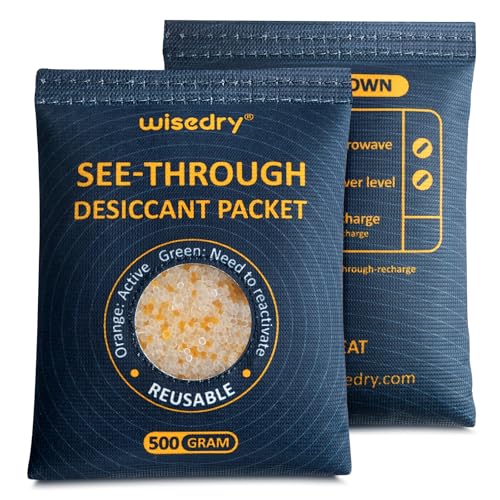
- Silica gel desiccant packets 2 lb moisture absorber for windows
- Window insulation kit with film and sealant anti-condensation
- Electronic window defogger heater for glass condensation
- Reusable moisture absorber canister for home humidity control


Before You Start
Assess the area: identify if condensation is intermittent or persistent, and note temperature and humidity levels. Clear any clutter near windows to allow airflow. Ensure electrical safety if using heaters or dehumidifiers near moisture-prone areas. Important: do not run appliances with damaged cords or in wet conditions. If condensation appears on multiple windows or surfaces, the issue may be systemic and requires broader measures such as humidity control or professional inspection.
Step-By-Step: How To Reduce Interior Condensation
- Measure and set a target humidity level in living spaces. Aim for a relative humidity range of 30–50% to minimize condensation.
- Use a dehumidifier to reduce indoor moisture. Place it in rooms with the most condensation and run it until humidity stabilizes below the target range.
- Place silica gel desiccant packets or a reusable moisture absorber canister inside cabinets or near windows where moisture gathers to absorb excess moisture in the air.
- Improve ventilation by using exhaust fans in bathrooms and kitchens or by increasing air exchanges with opened interior doors during the day.
- Install a window insulation kit with film and sealant to reduce cold surfaces on interior glass and limit condensation formation on the window face.
- Consider an electronic window defogger heater for glass condensation where allowed, especially on rarely used windows or mirrors. Use according to manufacturer instructions and safety guidelines.
- Seal gaps around window frames with weatherstripping or caulking to reduce cold draft infiltration that contributes to condensation formation on interior glass.
- Keep indoor surfaces warm around windows by maintaining steady room temperature, using curtains to minimize heat loss at night, and avoiding placing hot objects directly against cold glass.
- Regularly monitor humidity sources such as plants, laundry drying indoors, and cooking activities; adjust practices to maintain balanced humidity levels.
- If condensation recurs in the same spots, consider a professional assessment to determine if window replacement or more extensive moisture control is needed.
- Recheck after a week of adjustments to confirm a sustained reduction in condensation and adjust humidity settings if needed.
Troubleshooting
| Symptom | Likely Cause | Fix | Prevention |
|---|---|---|---|
| Persistent condensation between panes | Poor window seal or insulation | Inspect seals; replace or upgrade with insulated glass | Regularly inspect seals; maintain interior humidity |
| Condensation on interior surface only | High indoor humidity | Use dehumidifier; reduce moisture sources | Ventilate; avoid drying clothes indoors |
| Condensation during mild weather | Cold window surfaces + humidity | Window film/insulation kit; raise room temperature slightly | Dial in consistent temperature; insulate edges |
| Fogging after shower or cooking | Moisture buildup | Use exhaust fan or open a window during activities | Run range hood or bathroom fan longer |
| Condensation on single pane windows | Older or poorly insulated windows | Upgrade to double or triple-pane units or use temporary covers | Seasonal insulation strategies |
Common Mistakes
- Relying solely on warming the room without reducing moisture levels
- Blocking vents or overinsulating without balancing airflow
- Ignoring bathroom and kitchen moisture sources
- Overlapping use of multiple moisture absorbers in a small space
Tips For Best Results
- Coordinate dehumidifier use with natural ventilation to avoid over-drying indoor air.
- Place desiccant packets in corners and near windows where moisture tends to collect.
- Combine window insulation with proper weatherstripping for a holistic approach.
- Monitor humidity with a simple hygrometer to maintain the 30–50% range reliably.
- Use the heater cautiously and in accordance with safety guidelines to avoid heat damage or fire risk.
Call A Professional
Seek professional help if condensation recurs after implementing the above steps or if there are signs of mold, persistent moisture intrusion, or structural window damage. Stop-and-go fogging on a regular basis could indicate a larger issue such as hidden leaks, failed seals, or air infiltration that warrants expert assessment.
FAQ
What causes condensation inside windows?
Condensation occurs when moist indoor air meets a cold window surface, causing water to condense on the glass. High indoor humidity, poor ventilation, and cold window panes contribute to the problem.
Can a dehumidifier help with interior window condensation?
Yes. A dehumidifier lowers indoor humidity, which reduces the amount of moisture available to condense on windows.
Are window insulation kits effective for condensation?
Window insulation kits reduce heat transfer and cold surface exposure, lowering the likelihood of interior condensation buildup.
When should I replace windows for condensation issues?
If condensation persists between panes despite mitigation, the window seals may be compromised, suggesting replacement or professional repair is warranted.
Buying Guide
When selecting products to combat interior window condensation, consider several factors that influence effectiveness and long-term comfort.
- Size and fit: Dehumidifiers and moisture absorbers should suit room size. Window insulation kits should match window dimensions for a proper seal.
- Noise level: Choose quieter models for bedrooms or living spaces to minimize disturbance.
- Energy efficiency: Look for energy-efficient dehumidifiers and insulation solutions to keep utility bills reasonable.
- Controls: Favor automatic humidistats, auto-drain options, and easy-to-read indicators for ongoing management.
- Placement: Position dehumidifiers away from walls and furniture to optimize airflow; place desiccants near windows and in corners prone to moisture.
- Maintenance: Check filter and desiccant replacement intervals; choose products with readily available parts.
- Durability and warranty: Prefer proven brands with solid warranties, especially for electrical devices used near moisture.
- Aesthetic and compatibility: If visible, select neutral designs that blend with home decor.
By aligning product choices with room size, climate, and typical moisture sources, homeowners can form a practical toolkit for ongoing condensation control. Would you like help selecting a specific combination of products based on your room size and climate zone?