Old trunks carry history and character, but their surfaces can accumulate dust, grime, and tarnish over time. This practical guide walks American homeowners through a careful cleaning method that protects wood, brass hardware, and vintage finishes while restoring a fresh look.
Quick Answer
Gently remove dust, wipe with a wood-safe cleaner, clean brass hardware separately, and use a restoration solvent sparingly on stubborn spots. Always test a small area first and work with the grain to preserve the trunk’s finish.
What You’ll Need
- Antique wood cleaner for trunks
- Mineral spirits furniture restoration solvent
- Soft bristle scrub brush for wood cleaning
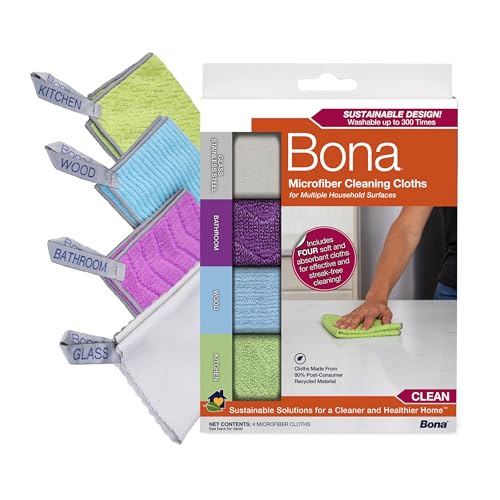
- Microfiber cloth set for furniture cleaning
- Brass hardware cleaner spray for trunks


Before You Start
Prepare a clean, well-lit workspace and ensure the trunk is empty. Remove any loose nails or protruding screws and protect the surrounding area with a drop cloth. Wear gloves and work in a well-ventilated area. Test all cleaners on a hidden or inconspicuous spot first to confirm they won’t damage finishes. Plan for 1–3 hours, including drying time, depending on the trunk’s size and finish.
Step-By-Step: How To Clean An Old Trunk
- Dust the surface with a dry microfiber cloth to remove loose dirt and debris.
- Gently brush the wood with a soft bristle scrub brush to dislodge ingrained grime in hard-to-reach grooves.
- Mix a small amount of antique wood cleaner per label directions and apply to a clean microfiber cloth. Wipe in the direction of the grain to lift grime without stripping finish.
- For stubborn spots, apply a touch of mineral spirits furniture restoration solvent to a cloth and dab—not rub—over the area. Test first on an inconspicuous spot.
- Wipe away solvent with a fresh microfiber cloth. Allow the surface to air dry completely before continuing.
- Inspect the finish. If the wood shows dullness, repeat a careful cleaning or apply a light, wax-free conditioner if appropriate for the finish.
- Clean the brass hardware separately by spraying brass hardware cleaner on a cloth and rubbing the metal components gently. Avoid contact with wood if possible.
- Polish hardware with a dry microfiber cloth once cleaned, ensuring no cleaner residue remains on wood.
- Return contents to the trunk and close securely. Allow all surfaces to dry thoroughly before use.
- Optional preservation: apply a compatible wood conditioner or light wax to protect the finish, following product instructions and testing first.
- Document any changes or improvements for future maintenance routines to extend the trunk’s life.
Troubleshooting
| Symptom | Likely Cause | Fix | Prevention |
|---|---|---|---|
| Finish looks cloudy after cleaning | Water or solvent residue | Wipe with a clean, dry microfiber cloth and allow to dry | Use minimal liquid and test first |
| Brass hardware tarnished | Oxidation | Apply brass cleaner with a cloth, then buff | Keep hardware dry and clean after use |
| Wood feels sticky | Over-application of cleaner or residue | Wipe with dry cloth until residue is removed | Use small amounts and test in hidden area |
| Finish damaged after cleaning | Harsh solvent or aggressive scrubbing | Cease use of offending product and consult a wood finishing guide | Always test before broad application |
| Hard-to-reach grime in grooves | Built-up layer | Use soft-bristle brush with cleaner in small passes | Clean regularly to prevent buildup |
Common Mistakes To Avoid
- Over-wetting wood surfaces, which can cause warping or finish damage.
- Using aggressive scrubbing that scratches or removes patina.
- Applying cleaners directly to wood without testing first.
- Neglecting to dry surfaces completely before closing the trunk.
Tips For Best Results
- Work with the grain of the wood to preserve the natural look.
- Test every product in an inconspicuous area before broader use.
- Use a dedicated microfiber cloth set for furniture to avoid transferring oils from hands.
- Rotate cleaning tasks to prevent over-cleaning any single area.
- Document cleaning steps and products used for future maintenance records.
Call A Professional
Stop and consult a professional if the trunk shows significant structural damage, such as loosened joints, warped panels, or wood with extensive cracking. Seek help if the finish appears cracked, peeling, or if brass hardware contains corrosion that could indicate deeper metal damage.
FAQ
What is the best order to clean an old trunk?
Dust first, then address grime with wood cleaner, followed by any stubborn spots with solvent as needed, and finish with hardware cleaning.
Can I use household cleaners on antique trunks?
Stick to cleaners labeled for wood or antique finishes and test on a small area before broad use.
How often should I clean an antique trunk?
Light cleaning every few months helps prevent grime buildup; more frequent cleaning after uses or storage is recommended.
Is it safe to wax an old trunk after cleaning?
Waxing can be appropriate for some finishes; verify compatibility with the trunk’s finish and follow product instructions.
What if the brass hardware is very corroded?
Severe corrosion may require professional refinishing or replacement of hardware.
Do I need to season or condition the wood after cleaning?
Only if the finish or wood care product indicates conditioning is suitable for your trunk’s finish.
Buying Guide
When selecting products to clean an old trunk, consider size, finish type, and hardware material. For wood surfaces, choose an antique wood cleaner specifically formulated for trunks or antique furniture to avoid stripping patina. For metal hardware, a brass hardware cleaner spray is useful, but ensure it won’t damage wood or lacquer. A mineral spirits furniture restoration solvent is helpful for stubborn spots, yet it should be used sparingly and tested first. A soft bristle scrub brush helps navigate grooves without scratching, while microfiber cloths protect delicate finishes. Finally, keep a dedicated set of tools to prevent cross-contamination across projects. Think about the trunk’s size and storage location when preparing the workspace and scheduling maintenance to minimize disruption and protect surrounding finishes.