Cleaning a concrete patio can boost curb appeal without harming surrounding turf. By using the right equipment, appropriate cleaning solutions, and careful technique, homeowners can remove stains, mildew, and debris while keeping grass healthy. The following guide provides practical steps that align with common consumer tools and safety practices.
Quick Answer
Use a low- to mid-pressure approach with an electric pressure washer for concrete cleaning at around 1800 psi or a gas pressure washer 3000 psi if heavy buildup is present. Pair with a concrete surface cleaner attachment for an even finish, and use a stiff nylon brush for stubborn spots. Apply a heavy-duty concrete cleaner degreaser concentrate that is safe for lawns, and rinse thoroughly to avoid chemical contact with grass.
What You’ll Need
- Electric pressure washer for concrete cleaning 1800 psi or gas pressure washer 3000 psi for concrete and driveways
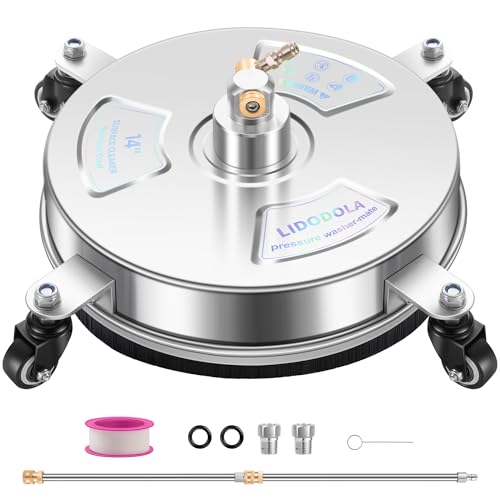
- Concrete surface cleaner attachment for pressure washer 12 inch
- Stiff nylon bristle scrub brush for concrete patios
- Heavy-duty concrete cleaner degreaser concentrate safe for lawns
- Garden sprayer or spray bottle for diluted cleaner
- Protective gloves, eye protection, and closed-toe shoes
- Broom or leaf blower for loose debris


Before You Start
Assess the patio area for delicate edges, sprinkler heads, or nearby plantings that could be affected by runoff. Water the lawn beforehand to create a moisture buffer and reduce chemical uptake by grass. Test a small, inconspicuous patch of the concrete with the cleaner to ensure no surface damage or discoloration occurs. Wear protective gear and follow the cleaner’s label instructions. Plan for weather that allows a full dry time after washing to prevent new stains from forming.
Step-By-Step: How To Clean A Concrete Patio Without Killing Grass
- Prepare the area by sweeping away loose debris and pets; cover nearby plants if possible.
- Set up the pressure washer and attach the concrete surface cleaner attachment for pressure washer 12 inch for an even pass over large areas.
- Fill the degreaser concentrate into the cleaner according to the label; dilute as required to protect lawn areas.
- Begin with a test section using low pressure to confirm the surface reacts well; then switch to a cleaning pattern that overlaps for even coverage.
- Use the stiff nylon bristle brush for stubborn stains such as oil, rust, or built-up grime in grout lines; be careful near edges where grass grows.
- Rinse thoroughly from one end to the other, ensuring jet streams are directed away from grass and flower beds to minimize runoff.
- Reapply cleaning solution to particularly dirty zones and allow the appropriate dwell time before additional rinsing.
- Inspect the overall finish; repeat targeted cleaning if necessary, then allow the surface to dry completely before foot traffic.
- Dispose of rinse water responsibly, avoiding direct drainage onto lawns; use a containment method if advised by your cleaner’s instructions.
- Clean the equipment following manufacturer guidance to prevent residue buildup in hoses and nozzles.
- Finish by a light rinse with plain water to remove any remaining cleaning agents from the surface.
- Perform a final visual check for streaks or missed spots and treat as needed while keeping the grass protected.
Troubleshooting
| Symptom | Likely Cause | Fix | Prevention |
|---|---|---|---|
| Streaks or uneven color | Inconsistent nozzle distance | Maintain uniform distance and overlap; use surface cleaner | Test spray on a small area first |
| Blue-green staining on concrete | Metal rust or contaminated water | Rinse area with clean water; use rust-remover if necessary | Protect metal fixtures and use filtered water |
| Grass shows signs of distress after rinse | Overexposure to cleaner runoff | Re-treat gutters or redirect rinse away from lawn | Create barriers or use fans to divert spray |
| Persistent grease stains | Oil residue not fully removed | Apply heavier degreaser concentrate and dwell longer | Pre-treat with degreaser before cleaning |
| Surface remains dirty after wash | Stubborn buildup | Use stiff brush and repeat with fresh cleaner | Chemical pre-treatment in advance |
Common Mistakes
- Using excessive pressure near grass or edges, which can lift soil and damage turf.
- Using heavy cleaners directly on lawn areas without proper dilution or containment.
- Rushing the process without adequate dwell time for the cleaner to break down grease and stains.
- Neglecting to rinse thoroughly, leaving residues that attract grime back quickly.
Tips For Best Results
- Work from the house outward to reduce tracked dirt back onto cleaned areas.
- Maintain a steady overlap of passes to avoid line marks and ensure even cleaning.
- Use a degreaser that is labeled safe for lawns to minimize lawn impact.
- Keep grass damp before starting; it helps buffer any potential chemical contact.
- Monitor weather; avoid cleaning before rain as runoff can spread cleaner into lawns.
Call A Professional
Consider contacting a professional if the patio has extensive oil staining, delicate landscaping, or if the surface is aged and requires resealing after cleaning. Seek immediate help if there are signs of chemical damage to grass, roots, or nearby plants, or if the equipment shows unusual performance. If you lack the necessary space, power supply, or nozzle expertise, a pro can complete the task efficiently and safely.
FAQ
Is it safe to use a pressure washer near grass?
Yes, when directions are followed and runoff is controlled, but protect grass and rinse away from plants.
What pressure is best for concrete cleaning without damage?
Lower to mid-range pressure (around 1800 psi) is often sufficient for routine cleaning; use higher pressure only for stubborn stains with caution.
Can I use household cleaners for concrete patios?
Only if labeled safe for concrete and lawn exposure; avoid corrosive or bleach-based products near grass.
Do I need a concrete surface cleaner attachment?
It helps achieve an even clean over larger areas and reduces splash near edges.
How long does it take for a patio to dry after cleaning?
Most concrete dries within several hours in warm, dry conditions; cooler or shaded areas may take longer.
Should I seal the patio after cleaning?
Sealing is often recommended after thorough cleaning to protect against stains and wear; follow manufacturer guidelines for timing.
What should I do with the rinse water?
Avoid direct drainage onto lawns; use containment or direct water away from plants as recommended by local guidelines.
Buying Guide
When choosing tools for cleaning a concrete patio without harming grass, consider several factors. Size and layout influence the type of pressure washer and surface cleaner you need; larger decks benefit from bigger surface cleaners. Noise level matters for residential use, particularly in neighborhoods; look for quieter models if operating near sleeping areas. Energy efficiency and engine type affect running costs and maintenance, with electric options offering quieter operation and fewer emissions for smaller jobs, while gas models deliver more power for heavy-duty cleaning. Controls and safety features such as GPM (gallons per minute), adjustable nozzle pressures, and automatic shutoffs help tailor performance and protect grass. Placement and storage consider access to water, outlet availability, and convenient shelving for detergents and brushes. For best results, compare a gas pressure washer 3000 psi for heavy buildup against an electric 1800 psi model for routine maintenance, ensuring you pair with a concrete surface cleaner attachment for even coverage.