Wooden chopping boards require regular cleaning and proper conditioning to stay sanitary and extend their life. A well-maintained board resists odors, repels moisture, and remains smooth for safe food preparation. This guide provides practical steps using commonly available products and simple tools.
Following a consistent routine helps prevent staining, warping, and cracking. The methods below emphasize safe cleaning, sanitizing, and conditioning to keep wooden boards in peak condition for daily kitchen use.
Quick Answer
Best practice: Clean after each use, sanitize weekly, and condition monthly. For routine cleaning, wash with mild natural soap, dry thoroughly, then apply a food-grade oil or beeswax conditioner. Deep clean as needed to remove odors or dried-on stains.
What You’ll Need
- Food-grade mineral oil for wooden cutting boards
- Beeswax wood conditioner for cutting boards
- Wood cutting board cleaner soap natural
- Silicone scrub brush for wooden cutting boards
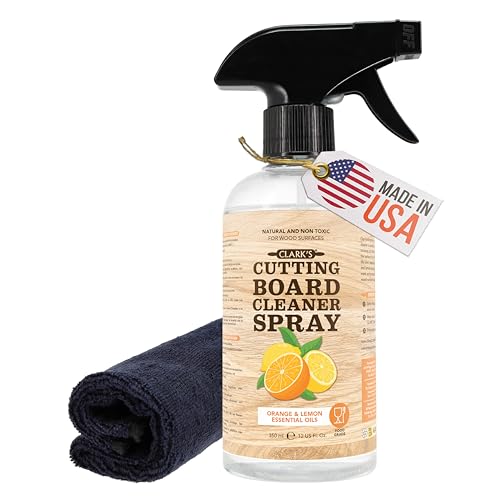
- Cutting board cleaning and sanitizing spray


Before You Start
Prepare a clean workspace and keep a dedicated towel for drying. Never soak wooden boards in water for long periods, as this causes swelling and cracking. Allow 15–30 minutes for air drying after washing. If you notice deep odors, lingering stains, or signs of mold, address promptly with appropriate cleaning and sanitizing products. Safety note: use gloves if you have sensitive skin and ensure good ventilation when applying sprays or cleaners.
Step-By-Step: How To Clean A Wooden Chopping Board
- Rinse the board under warm running water to remove loose debris.
- Use a natural wood cutting board cleaner soap with a silicone scrub brush to scrub both sides gently in circular motions.
- Rinse thoroughly to remove all soap residue, then pat dry with a clean towel.
- Allow the board to air-dry standing on its edge until completely dry before conditioning.
- Apply a thin, even coat of food-grade mineral oil for wooden cutting boards across the surface; wipe away excess after a few minutes.
- For deeper conditioning, rub in a small amount of beeswax wood conditioner for cutting boards and buff with a dry cloth until the surface is smooth and shiny.
- To sanitize, spray the board with cutting board cleaning and sanitizing spray, wait the recommended contact time, and wipe clean with a dry towel.
- Store the board upright in a well-ventilated area to ensure complete dryness before next use.
Troubleshooting
| Symptom | Likely Cause | Fix | Prevention |
|---|---|---|---|
| Odors persist after cleaning | Residual moisture or absorbed odors | Re-sanitize with spray, then recondition with oil | Dry thoroughly after each wash; rotate boards if possible |
| Stains remain | Deep discoloration from foods like beets or turmeric | Scrub with natural soap, use mineral oil, and repeat conditioning | Store away from strong colorful foods; clean soon after use |
| Rough or splintered surface | Wear or minor warping; lack of conditioning | Evenly apply beeswax conditioner and buff; smooth edges | Keep board dry; avoid prolonged water exposure |
| Board feels soft or wobbly | Excessive moisture or structural compromise | Let it dry completely; consult a professional if cracking appears | Dry immediately after washing; don’t soak |
Common Mistakes
- Overwashing with harsh detergents that dry the wood
- Leaving the board soaking in water
- Not allowing thorough drying before conditioning
- Using oil or wax too thickly, creating a sticky surface
- Ignoring odors that indicate absorbed moisture or contamination
Tips For Best Results
- Use a dedicated silicone scrub brush to avoid cross-contamination on boards used for raw meats.
- Season with food-grade mineral oil regularly to maintain a protective barrier.
- Alternate boards for raw meats and produce to reduce bacterial transfer risks.
- Keep a spray bottle of sanitizing solution handy for quick refreshes between uses.
- Store boards vertically to promote air circulation and faster drying.
Call A Professional
Seek professional help if the board develops deep cracks, persistent mold, or warping that affects stability or surface safety. If you notice persistent odor or staining after repeated cleaning and conditioning, a woodworking specialist can evaluate potential structural damage and offer restoration options.
FAQ
Can I use regular dish soap on a wooden cutting board?
Yes, but choose a mild, natural soap and rinse thoroughly to avoid residue.
How often should I oil a wooden cutting board?
Oil monthly or when the surface looks dry; adjust frequency based on use and climate.
Is it safe to use beeswax conditioner on all boards?
Beeswax conditioners are generally safe and help seal the surface; ensure the product is food-safe.
What’s the best way to remove strong odors?
Sanitize with a dedicated spray and recondition the board to seal in freshness.
Buying Guide
Key buying factors for wooden chopping boards
Choosing the right wooden board involves several practical considerations. Size matters for meal prep and storage, with larger boards offering more workspace but requiring more storage space. Noise level isn’t a concern for boards themselves, but the materials beneath can affect surface feel. Consider energy-efficient care in the sense of low-effort maintenance—boards that respond well to routine cleaning reduce long-term upkeep. Look for a smooth, tight grain that resists moisture and staining. For controls, opt for boards with clear care instructions and compatibility with safe oils or waxes. Placement matters too; keep boards away from heat sources and ensure good airflow for drying. When comparing options, assess finish compatibility with both maintenance products and common kitchen tasks. A well-chosen wooden board balances durability, hygiene, and ease of care while fitting your kitchen workflow.