Maintaining a clean toilet scrubber is essential for bathroom hygiene and reduces the spread of germs. This guide walks through practical steps to sanitize and refresh common toilet scrubbing tools, ensuring they stay effective and ready for use.
Quick Answer
Rinse the scrubber with hot water, apply a disinfecting cleaner, scrub the bristles, rinse thoroughly, and air-dry but keep it stored away from the bowl when not in use. Replace or refresh heads as needed to maintain cleaning performance and hygiene.
What You’ll Need
- toilet brush with replaceable nylon bristles
- 24 inch toilet cleaning brush with long handle
- antimicrobial toilet scrub brush with holder
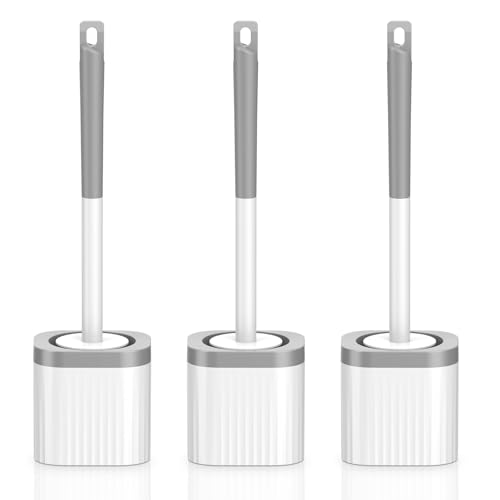
- toilet bowl cleaning brush set with spare heads
- stainless steel toilet cleaning brush with cover


Before You Start
Before cleaning, wear gloves and ensure good ventilation in the bathroom. Remove the brush from its holder if possible to clean both the bristles and the handle. Use a disinfectant safe for plastics and stainless steel, and follow label instructions for contact time. Plan for about 10–15 minutes of cleaning, plus time for drying.
Critical cautions: do not mix cleaners that release chlorine gas with ammonia-based products. Ensure the area around the brush is thoroughly dried to prevent mildew growth.
Step-By-Step: How To Clean A Toilet Scrubber
- Remove the brush from the holder and rinse under hot running water to remove loose debris.
- Prepare a cleaning solution: warm water with a disinfectant or a mild bleach alternative following label directions.
- Submerge the brush head and bristles in the solution for 5–10 minutes to loosen grime.
- Agitate the bristles with a quick scrubbing motion to dislodge stuck material.
- Rinse thoroughly with hot water, ensuring all cleaning solution and debris are washed away.
- If the brush has a metal handle, wipe it with a disinfectant wipe to remove any residue on the surface.
- Shake out excess water and allow the brush to air-dry completely. Store it in a dry area away from direct contact with the bowl.
- Inspect the bristles for wear. If bristles are frayed or discolored, replace the head or the entire brush per manufacturer guidance.
- Clean the holder separately, washing with soap and water, and dry before placing the brush back inside.
- Establish a routine: clean and dry the brush after each bathroom cleaning to maintain hygiene and extend the tool’s life.
- If using an antimicrobial brush, verify that the antimicrobial features remain effective after cleaning and follow any care instructions from the manufacturer.
- Dispose of any disposable heads or non-reusable components according to local guidelines when they reach the end of life.
Troubleshooting
| Symptom | Likely Cause | Fix | Prevention |
|---|---|---|---|
| Bristles look dull or frayed | Wear from regular use | Replace brush head or whole brush | Choose sturdy nylon bristles; rotate heads |
| Persistent odors | Residual moisture or mold | Deep dry after cleaning; sanitize holder | Keep in a well-ventilated area |
| Discoloration on handle | Cleaning products reacting with material | Wipe with mild cleaner; avoid aggressive chemicals | Rinse promptly after use |
| Holder rusts | Exposure to water and cleaners | Switch to corrosion-resistant holder | Completely dry before storing |
Common Mistakes
- Letting the brush sit wet in a closed holder, which invites mildew.
- Using harsh cleaners on plastic bristles, causing damage.
- Neglecting to replace worn heads, reducing cleaning efficacy.
- Storing the brush directly in the toilet bowl area without air circulation.
Tips For Best Results
- Routinely disinfect the brush head, especially in high-use bathrooms.
- Consider a long-handle design for comfortable cleaning without bending or kneeling.
- Opt for antimicrobial features if they align with cleaning preferences, but still perform periodic deep cleaning.
- Label or color-code brushes for shared households to prevent cross-contamination.
Call A Professional
Call a professional if persistent odors or mold recur despite cleaning, or if the brush shows signs of material breakdown that could compromise hygiene. Seek professional advice for replacing or upgrading to hospital-grade sanitation standards when needed.
FAQ
How often should I replace a toilet brush head?
Replace when bristles become splayed, discolored, or begin to shed; typical lifespans vary by use but inspect monthly.
Can I clean a toilet brush with bleach?
Yes, dilute bleach according to product instructions and rinse thoroughly after soaking.
Should I store the brush in water?
No. Store in a dry area with good airflow to prevent mildew and odor buildup.
Is antimicrobial protection worth it?
Antimicrobial features can help, but regular cleaning and drying are still essential for hygiene.
Buying Guide
Choosing the right toilet scrubber involves several factors. Size and length matters for comfortable use, especially in tight bathrooms; long-handled designs reduce bending. Noise is usually not a major concern, but consider holders that keep brushes upright and avoid rattle. Energy efficiency is not a typical spec for manual brushes, but durable materials and replaceable heads save money over time. Controls refer to the ease of replacing heads and cleaning the holder. Placement should keep brushes dry and away from the toilet bowl to prevent splashback. When comparing models, review bristle material—nylon bristles are common and durable—and whether the set includes spare heads or a protective cover. For shared bathrooms, look for antimicrobial options and easy-to-clean holders. Consider a stainless steel option with a cover for a clean, modern look and reduced rust risk, while ensuring the cover can be removed for drying.