Salt buildup on vehicles is common after winter driving or coastal travel. Proper cleaning helps protect paint, trim, and undercarriage from corrosion. This guide provides practical steps, using common car care tools, to remove salt efficiently without scratching surfaces.
The process emphasizes gentle cleaning, thorough rinsing, and drying to prevent water spots. By following these steps, car owners can maintain a pristine finish while extending the life of exposed metal and protective coatings.
Quick Answer
Rinse the car with plenty of water to loosen salt, then wash with a microfiber detailing towels car wash 16×16 or a dual action car wash mitt microfiber synthetic suede. Rinse again, dry with clean towels, and inspect for any remaining residue. For stubborn salt spots, repeat the wash using a foam cannon car wash attachment polyurethane nozzle for a more even coat.
What You’ll Need
- Microfiber detailing towels car wash 16×16
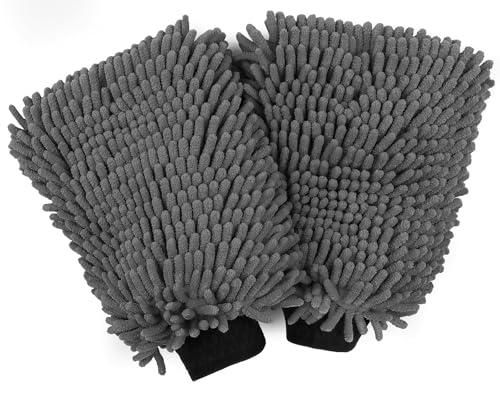
- Dual action car wash mitt microfiber synthetic suede
- Foam cannon car wash attachment polyurethane nozzle
- Long reach wheel cleaning brush soft bristles
- Clay bar detailing kit auto car cleaning kit


Before You Start
Ensure the vehicle is cool to the touch and parked in a shaded area to prevent rapid drying. Begin with a thorough rinse to remove loose salt crystals before applying any soap. Use soft, non-abrasive tools to avoid scratching paint or clear coat. Plan for a two-pass process: surface rinse and bodywash, followed by a final rinse and dry.
Time estimate: 20–40 minutes depending on vehicle size and salt exposure. Critical cautions include avoiding aggressive scrubbing, keeping soap and water at a comfortable temperature, and never letting salt sit on metal surfaces for extended periods.
Step-By-Step: How To Clean Salt Off A Car
- Rinse from top to bottom with a gentle spray to remove surface salt without forcing it into crevices.
- Fill a bucket with clean water and add car wash soap designed for clear coats; pre-soak a dual action car wash mitt microfiber synthetic suede or a microfiber detailing towels car wash 16×16.
- Starting at the roof, wash in straight lines or circular motions with light pressure, using the mitt or towel to lift salt without scratching.
- Aim to wash one panel at a time, rinsing the mitt frequently to remove captured salt and debris.
- Move to the lower body panels and undercarriage as salt can accumulate in crevices; use a long reach wheel cleaning brush soft bristles for wheels and wheel wells if needed.
- Rinse the entire vehicle again, ensuring all soap and salt are washed away; focus on gaps where salt tends to collect, such as trim joints and door jambs.
- If heavy salt deposits remain on seams or under mirrors, use a clay bar detailing kit auto car cleaning kit following the product’s instructions to remove embedded contaminants.
- Dry the car with clean, dry microfiber detailing towels to prevent water spots; inspect for any remaining salt and repeat wash if necessary.
Troubleshooting
| Symptom | Likely Cause | Fix | Prevention |
|---|---|---|---|
| Streaks or water spots after drying | Residual minerals or improper drying technique | Rewash with fresh towels and dry promptly | Dry with high-absorbency towels and avoid direct sun |
| Salt remains in crevices | Salt trapped in seams or wheel wells | Use a long reach brush and repeat rinse | Pre-rinse thoroughly; consider clay bar for embedded salt |
| Scratch marks on paint after washing | Rough or dirty wash media | Switch to clean microfiber towels and mitts | Rinse media frequently; wash separately from wheels |
| Soap foaming poorly | Dirty soap or water; clogged nozzle | Clean or replace the foam cannon nozzle; refresh soap | Rinse water supply; use fresh soap solution |
Common Mistakes To Avoid
- Washing in direct sunlight leading to rapid drying and spots
- Using abrasive brushes or applying heavy pressure on the paint
- Letting salt sit on metal surfaces before washing
- Neglecting to rinse wheels and undercarriage where salt accumulates
Approach salt removal with a calm, methodical routine to prevent damage and ensure a smooth finish.
Tips For Best Results
- Use two buckets: one for soapy wash and one for rinsing the mitt to minimize cross-contamination.
- Keep a dedicated set of towels for the car exterior only to avoid transferring grit from other tasks.
- Rinse before washing to loosen salt; follow with a secondary rinse after washing for a spotless finish.
- Periodically treat surfaces with a clay bar to remove embedded contaminants after heavy salt exposure.
Call A Professional
Seek professional help if there is visible pitting, heavy rusting, or salt-induced corrosion on undercarriage panels. Signs to contact a pro include transparent coating damage, deep scratches, or salt migration into seams and joints that cannot be cleaned with standard wash methods.
FAQ
How often should I clean salt off my car?
After heavy winter driving or coastal exposure, perform a wash as soon as salt is noticed to prevent corrosion.
Can I use household soap to remove salt?
Household soaps may be too harsh for clear coats; use car wash soap formulated for vehicles.
Is it necessary to wax after salt removal?
Yes, applying a protective wax or sealant after cleaning helps deter future salt adhesion.
What should I do if salt has already caused rust?
Consult a professional for assessment and potential rust treatment; early treatment is important.
Can salt residue damage wheels?
Yes, salt can corrode wheels; use a dedicated wheel brush and rinse thoroughly.
Is a clay bar necessary for salt removal?
Clay bars help remove embedded contaminants; use as a follow-up after initial wash if salt remains.
What temperature water is best for washing?
Preferred is lukewarm water to prevent soap from drying too quickly and to protect finishes.
Buying Guide
When selecting products to tackle salt removal, consider size, performance, and ease of use. A practical kit should cover washing, drying, and detailing steps, with attention to protecting paintwork and wheels. Look for microfiber towels with high GSM for absorbency, and a foam cannon car wash attachment polyurethane nozzle for even soap distribution. Compatibility with your garden-variety hose or pressure washer matters for efficient rinsing.
Key buying factors include:
- Size and kit composition: Choose bundles that include towels, mitts, and brushes suited to your vehicle size.
- Noise level and water use: Consider low-noise washing tools and efficient nozzles that minimize water spray while delivering effective cleaning.
- Energy efficiency and water conservation: Select equipment that reduces water waste without compromising cleaning power.
- Controls and ease of use: Ergonomic handles and simple attachments speed up the process.
- Placement and portability: Choose compact, easy-to-store items for garages or limited spaces.
For best results, combine a du al action car wash mitt with microfiber towels and a foam cannon for efficient salt removal. Consider a clay bar kit if heavy salt buildup or embedded contaminants persist after washing. Always follow the product instructions for optimal performance and surface safety. If unsure, start with a basic wash routine and gradually expand to include detailing steps as needed.