Chlorine in municipal water helps keep supplies safe, but many households prefer to reduce or remove it for taste, odor, or skin sensitivity. This guide explains practical, safe methods to lower chlorine levels in tap water using common home filtration options. It covers quick fixes and longer-term setups suitable for American homes.
Quick Answer
For immediate chlorine reduction, use a faucet mount water filter cartridge designed for chlorine reduction or a shower head filter with chlorine removal. For broader, long-term filtration, install an under sink reverse osmosis system or a dedicated activated carbon filter cartridge. Combine a carbon-based filter with a proper installation to maximize taste and odor improvement.
What You’ll Need
- Activated carbon water filter cartridge for chlorine removal
- Shower head filter chlorine removal 3-stage
- Faucet mount water filter cartridge chlorine reduction
- Under sink reverse osmosis water filtration system
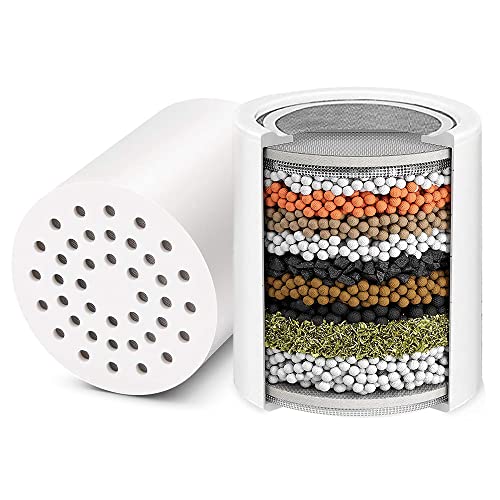
- Chlorine reducing shower filter cartridge


Before You Start
Gather all filters and tools before beginning. Check compatibility with your pipes and fixtures to prevent leaks. Plan for a momentary water shutoff to replace cartridges. Follow manufacturer instructions for installation and maintenance, as incorrect installation can reduce filtration effectiveness. Time estimates vary: 30–60 minutes for a faucet or shower filter, several hours for under sink RO systems including cabinet work.
Step-By-Step: How To Reduce Chlorine In Tap Water
- Identify the best filtration approach for your needs: quick taste improvements can come from a faucet mount cartridge, while full-house or large-volume needs may justify a shower head or RO system.
- Turn off the main water supply or the specific line you will work on to avoid leaks during filter replacement.
- Remove the old filter cartridge from your faucet mount or shower head, following the manufacturer’s removal instructions.
- Install the new activated carbon water filter cartridge for chlorine removal into the faucet mount or inline housing. Ensure seals are seated properly to prevent drips.
- Attach the faucet or shower head as directed, then run water at a slow rate to prime the new cartridge and flush out any carbon fines.
- Test first for taste and odor after flushing. If chlorine taste remains, allow the cartridge to run for a few more minutes and repeat flushing.
- For an under sink setup, install the under sink reverse osmosis water filtration system following the included schematic. Connect lines to the cold water supply and faucet, then flush the system per instructions.
- Install any post-filter components, such as a remineralization stage if your RO system includes one, to improve taste and mineral content.
- Conduct a leak test by turning the water back on slowly and inspecting all fittings. Tighten as needed to stop any drips.
- Document maintenance dates for each cartridge replacement to maintain optimal chlorine reduction over time.
- Run several gallons of filtered water before regular use to ensure the system is fully primed and functioning properly.
- Schedule routine filter replacements according to manufacturer recommendations to maintain chlorine removal effectiveness.
Troubleshooting
| Symptom | Likely Cause | Fix | Prevention |
|---|---|---|---|
| Water has strong chlorine odor after installation | New cartridge not flushed; air trapped | Flush system for longer period; ensure all air is purged | Follow flushing instructions precisely during initial setup |
| Reduced water flow after filter change | Clogged cartridge or incorrect fit | Check cartridge alignment and replace if necessary | Use manufacturer-recommended cartridges and avoid over-tightening |
| Persistent chlorine taste despite installation | Filter nearing end of life or unsuitable filter | Replace with a fresh activated carbon cartridge; confirm compatibility | Schedule routine replacements; verify product suitability |
| Leaks around filter housing | Improper seal or loose fittings | Re-seat seals, lubricate O-rings if applicable, tighten connections | Check for compatible parts and proper installation torque |
Common Mistakes
- Using the wrong cartridge for chlorine removal or mixing incompatible models
- Over-tightening fittings, which can damage seals
- Neglecting to flush new cartridges before regular use
- Ignoring maintenance schedules and letting filters go to end of life
Tips For Best Results
- Pair a faucet mount water filter cartridge chlorine reduction with a regular replacement schedule for best taste and odor results.
- For shower filtration, a chlorine reducing shower filter cartridge can minimize chlorine exposure on skin and hair, especially for sensitive individuals.
- Consider prefiltering with a larger-capacity activated carbon unit if your water has high sediment or chloramine in addition to chlorine.
- Label each filter compartment with replacement dates to stay organized.
Call A Professional
Consult a licensed plumber or water-treatment specialist if you notice persistent leaks, unusual water pressure changes, or if you plan to install an under sink reverse osmosis system that requires plumbed connections and drainage. Stop work immediately if you detect mold, water damage, or electrical hazards near filtration installations.
FAQ
Does a faucet filter remove all chlorine?
Most faucet filters with activated carbon significantly reduce chlorine taste and odor, though complete removal depends on filter quality and usage.
How often should I replace chlorine-removal cartridges?
Replacement intervals vary by model and water use; follow manufacturer guidelines, typically every 3–12 months.
Will an RO system remove all minerals from water?
Reverse osmosis can remove many minerals; some systems include remineralization to improve taste and mineral content.
Can I install a chlorine removal filter myself?
Basic faucet or shower filters are usually DIY-friendly, but under sink RO systems may require professional installation.
Is chlorine-free water safe for drinking?
Water treated to remove chlorine is generally safe to drink, but always rely on local health guidelines and filter certifications for assurance.
What about shower filters for chlorine?
Shower filters with chlorine-reducing media can lower chlorine exposure in bath water and are a practical option for daily use.
Buying Guide
Choosing the right chlorine-reducing system involves several factors. Consider where you want filtration (point-of-use at a faucet, whole-house, or under-sink), how much water you use daily, and your budget. Key buying factors include:
- Size and capacity: Match the filter or RO system to your household’s daily water usage. Larger capacity reduces replacement frequency but may require more space.
- Noise level: Some under-sink systems or RO units have small pumps or drain noises; check specs if a quiet setup is important.
- Energy efficiency: RO systems draw water and discharge waste; consider efficiency ratings and recovery rates to minimize waste.
- Controls: Look for clear indicators for filter life, easy cartridge replacement, and simple maintenance.
- Placement: Faucet-mount units are easy to install; under-sink systems demand cabinet space and a drainage line; shower filters need secure mounting with water-tight seals.
- Certification: Choose products with third-party certifications (e.g., NSF/ANSI) for chlorine reduction claims.
- Maintenance plan: Assess how often filters require replacement and the cost of replacement cartridges over time.
- Water quality considerations: If your water has contaminants beyond chlorine (like chloramines or sediment), you may need a multi-stage solution or a combination of filters.
With the right setup, households can enjoy better-tasting water and smoother showers. Start by prioritizing the area of use, then select a compatible cartridge or system that aligns with daily needs and maintenance preferences. A well-chosen filtration plan keeps chlorine levels consistently low and water quality high across the home.