Limpets are common hitchhikers in freshwater aquariums and can cling to glass, rocks, and decorations. While some hobbyists tolerate them, others want to remove them to prevent overgrazing of biofilm and algae that aquarium inhabitants rely on. This guide explains practical, fish-safe methods to reduce or eliminate limpets from your tank without disrupting beneficial bacteria.
Understanding the biology of limpets helps. They are resilient grazers that attach firmly to smooth surfaces. A combination of physical removal, improved cleaning routines, and targeted tools often yields the best results. The aim is to minimize stress for fish and invertebrates while keeping the tank visually appealing and healthy.
Quick Answer
Start with gentle physical removal using a glass-safe scraper or magnetic cleaner, then increase maintenance frequency and monitor algae growth. If limpets persist, reduce excess nutrients with controlled water changes and scrub hard-to-reach surfaces using specialized tools.
What You’ll Need
To tackle limpets effectively, use a curated set of aquarium tools designed for glass cleaning and debris removal. The following kit suggestions align with common needs in removing stubborn organisms from tank glass and substrate.
- Magnetic Aquarium Glass Cleaner with Handle
- Magnetic Aquarium Scraper for Glass (with replacement blades if needed)
- Aquarium Glass Scraper Blade Replacement
- Siphon Gravel Vacuum for Freshwater Aquarium
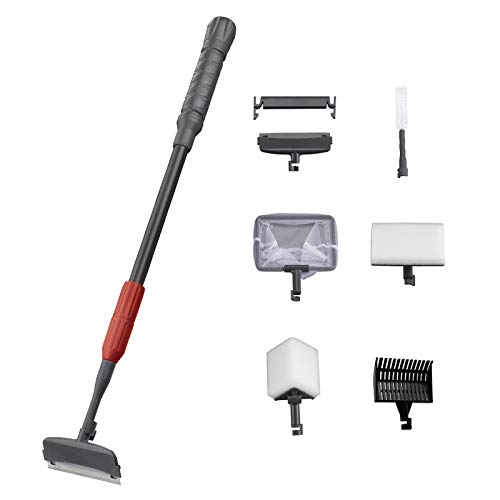
- Aquarium Cleaning Brush Algae Remover Tool Kit


Before You Start
Plan a maintenance window where you can observe the tank after changes. Ensure you have the right safety steps in place to protect fish and invertebrates. Wear gloves if removing decor or working near plants to minimize stress. Typical prep time ranges from 15 to 45 minutes depending on tank size and the level of limpets.
Critical cautions: avoid aggressive scrubbing that could scratch the glass or uproot plants. Do not use sharp tools on delicate decorations. If a remote or hidden area holds a high count, approach gradually to prevent a sudden release of ammonia from disturbed biofilm or detritus.
Step-By-Step: How To Remove Limpets
- Turn off the filtration or lower flow to give limpets a chance to detach from surfaces without being swept away.
- Gently lift any removable decorations or rocks to access the glass edges where limpets cling.
- Use the Magnetic Aquarium Glass Cleaner with Handle or Magnetic Aquarium Scraper for Glass to dislodge limpets from the tank walls. Work slowly along the glass to avoid slips.
- For stubborn individuals, switch to the Aquarium Glass Scraper Blade Replacement or the included scraper blade to carefully pries limpets away, applying light pressure along the edge of the shell.
- Wipe the target areas with the scraper to remove residual algal film. Avoid over-scraping if plants or delicate coatings are present.
- Return decorations carefully and re-start the filtration. Observe the tank for a few minutes to ensure normal flow and no dislodged debris.
- Run a light, controlled water change if you see a cloudy or darkened tank after removal, then resume normal filtration and feeding schedule.
- Establish a routine cleaning schedule using the Aquarium Cleaning Brush Algae Remover Tool Kit to reduce future colonization by limpets and other hitchhikers.
- Monitor tank inhabitants for signs of stress, especially if you have sensitive species or small fry. If any issues arise, scale back cleaning or temporarily pause major changes.
- Consider adjusting nutrient inputs and light exposure to limit algae growth, which indirectly supports limpet control by reducing available food sources.
Troubleshooting
| Symptom | Likely Cause | Fix | Prevention |
|---|---|---|---|
| Limpets return after scrubbing | Algae-rich surfaces provide ongoing food | Increase cleaning frequency and reduce excess nutrients | Post-water-change calibration and stable lighting |
| Glass scratch marks appear | Using blades too aggressively | Switch to a gentler blade or magnet method | Always test on a small area first |
| Detritus accumulation after removal | Dislodged debris from cleaning | Run a brief siphon during and after cleaning | Schedule regular gravel vacuuming |
| Fish show stress during cleaning | Noise or water movement disturbance | Limit time in stressed zones, pause during feeding | Monitor signs and adjust routine |
Common Mistakes
- Using abrasive tools that scratch glass or decorations
- Over-cleaning, which can strip beneficial biofilm
- Ignoring substrate cleanliness, leaving detritus to harbor limpets
- Relying on a single method instead of combining tools and maintenance
Inconsistent cleaning often leads to transient success, while comprehensive maintenance reduces reinfestation risk. A steady routine is more effective than one-off scrubs.
Tips For Best Results
- Schedule regular glass cleaning sessions to prevent limpets from establishing thick colonies
- Pair magnetic cleaners with blade replacements to handle stubborn specimens safely
- Combine surface cleaning with substrate maintenance to remove the algae that sustains limpets
- Match cleaning frequency to tank size and bioload; heavily stocked tanks may need weekly attention
- Observe grazing patterns; in some tanks, limpets contribute to biofilm control without harming plants
Call A Professional
Consult a professional if limpets rapidly multiply despite cleaning, or if there are signs of persistent water quality issues such as ammonia spikes. Seek help when poor water conditions are suspected, when DIY methods fail after multiple attempts, or if the tank houses sensitive species that could be harmed by aggressive cleaning.
FAQ
What are limpets in an aquarium?
Limpets are small, hardy mollusks that cling to tank glass and surfaces, feeding on biofilm and algae.
Are limpets harmful to fish?
Generally not harmful in small numbers, but large populations can disrupt algae balance and aesthetics, so control may be needed.
Can limpets be removed with magnets?
Yes, magnetic glass cleaners assist in removing limpets from glass surfaces without disturbing the water.
What maintenance helps prevent limpets?
Regular water changes, controlled feeding, and consistent cleaning of glass and substrate reduce nutrient levels that limpets thrive on.
Buying Guide
Choosing the right tools and methods to manage limpets begins with evaluating tank size, glass thickness, and user preferences. Key factors include:
- Size and type of tank: Larger tanks may benefit more from powerful magnetic cleaners and larger blades.
- Noise and ease of use: Magnetic cleaners with comfortable handles reduce fatigue during long sessions.
- Algae and substrate needs: A combination of glass scrapers and a siphon gravel vacuum addresses both surfaces and substrate.
- Energy efficiency and maintenance: Durable, reusable tools save money and reduce waste over time.
- Placement and ease of access: Tools that reach hard-to-access corners simplify routine care.
When comparing products, consider how each item complements others in your cleaning routine. For example, pairing a magnetic aquarium glass cleaner with handle with a spare aquarium glass scraper blade replacement ensures quick responses to stubborn limpets. If you keep freshwater tanks with fine gravel, a reliable siphon gravel vacuum for freshwater aquarium helps manage detritus that promotes population growth. A complete kit like an aquarium cleaning brush algae remover tool kit can streamline maintenance without needing multiple separate purchases.