Bathrooms naturally generate moisture from showers, baths, and damp towels. Proper ventilation and monitoring humidity can prevent condensation, mold, and mildew. This guide outlines practical steps, smart tools, and quick fixes Americans can implement to keep bathrooms dry and comfortable.
Quick Answer
Use a combination of active ventilation, humidity monitoring, and moisture absorbers. Run an exhaust fan with a timer during and after showers, place silica gel desiccant packs where moisture collects, and install a digital hygrometer to track humidity. For remaining damp areas, spray a mold and mildew remover, and ensure surfaces dry after use. Regular maintenance prevents recurring moisture issues.
What You’ll Need
- 20-pint bathroom dehumidifier with automatic shutoff
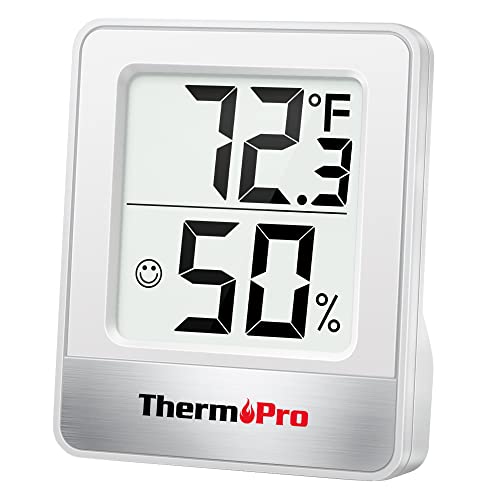
- digital hygrometer humidity meter for bathroom
- silica gel desiccant moisture absorber packs for bathroom
- bathroom exhaust fan with humidity sensor and timer
- mold and mildew remover spray for bathrooms


Before You Start
Assess the bathroom layout and identify moisture hotspots such as the shower stall, vanity mirror, and edges of the tub. Ensure electrical outlets are safe from steam and moisture exposure. Plan for ventilation improvements and a routine cleaning schedule. Time estimates: setup 30–60 minutes; daily maintenance 5–15 minutes. Critical cautions: electrical safety around water, and avoiding harsh chemicals on delicate surfaces.
Step-By-Step: How To Get Rid Of Bathroom Moisture
- Open the bathroom door or window to create airflow before or after showers to reduce humidity buildup.
- Turn on the bathroom exhaust fan with a humidity sensor and set the timer to run for at least 15–30 minutes after use.
- Place silica gel desiccant moisture absorber packs in corners, near the sink, and by the shower door to absorb stray moisture.
- Install and calibrate a digital hygrometer humidity meter for bathroom to track humidity levels over time.
- Operate a 20-pint bathroom dehumidifier with automatic shutoff during peak moisture periods or when humidity rises above 50–60%.
- Wipe down surfaces after showers, including mirrors and tile grout, to remove water droplets that promote mold growth.
- Apply a mold and mildew remover spray to affected areas and re-seal grout lines if needed to reduce moisture retention.
- Check for leaks under sinks and around fixtures; seal any gaps with waterproof sealant to prevent hidden moisture pockets.
- Keep towels and bath mats dry by hanging them properly and using quick-dry fabrics that wick moisture away from surfaces.
- Schedule periodic deep cleaning and grout sealing every 6–12 months to maintain a dry environment.
- Educate household members about running ventilation and promptly addressing damp spots to sustain results.
- Review humidity readings monthly and adjust fan timing, dehumidifier settings, or absorber placement as needed.
Troubleshooting
| Symptom | Likely Cause | Fix | Prevention |
|---|---|---|---|
| Persistent condensation on mirrors | Insufficient air exchange | Increase fan run time; use exhaust with humidity sensor | Keep door ajar slightly after showers |
| Mold growth on grout | Stagnant moisture pockets | Apply mold remover; reseal grout | Improve ventilation; frequent cleaning |
| Humid air despite fan | Heat and humidity from hot showers | Lower water temperature; run dehumidifier | Shower with warmer air outside the room |
| Musty odor | Hidden dampness behind walls or cabinets | Inspect for leaks; use dehumidifier in the area | Address leaks promptly; air out space |
Common Mistakes
- Relying on a single solution like a fan without addressing moisture sources.
- Ignoring regular maintenance of exhaust fans and dehumidifiers.
- Using overly aggressive cleaners that damage grout or paint, increasing moisture pockets.
- Blocking vents with furniture or towels, reducing airflow.
Tips For Best Results
- Pair an exhaust fan with a humidity sensor for automatic control and energy efficiency.
- Place a hygrometer in a central location to monitor representative humidity levels.
- Use silica gel packs in high-moisture zones and replace them as indicated by their color or desiccant rating.
- Seal grout lines after thorough cleaning to prevent moisture seepage between tiles.
- Schedule monthly checks for leaks and appliance venting performance.
Call A Professional
Seek professional help if there is persistent dampness despite improved ventilation, visible mold covering large areas, or ongoing leaks behind walls. Signs to escalate include structural discoloration, cracking, or health symptoms from mold exposure.
FAQ
What humidity level should I aim for in a bathroom?
Typically, keep bathroom humidity below 50–60% to minimize moisture buildup.
Can I use a dehumidifier in a small bathroom?
Yes, choose a compact model with an appropriate pint capacity and automatic shutoff for safety.
How often should I replace silica gel packs?
Check moisture indicators and replace packs when they become saturated or show reduced efficacy.
Is mold remover spray safe for porcelain and ceramic surfaces?
Yes, but follow label directions and test on a small inconspicuous area first.
Do I need to seal grout to prevent moisture?
Sealing grout helps reduce water absorption and mold growth, especially in high-humidity bathrooms.
Should I leave the door open after a shower?
Opening the door briefly can aid air exchange, improving ventilation when a fan is not running.
When should I call a professional for moisture issues?
Call if mold covers large areas, leaks persist after repairs, or there are suspected structural or hidden water problems.
Buying Guide
Choosing moisture-control tools depends on bathroom size, occupancy, and climate. Key factors include size and noise level of dehumidifiers, energy efficiency, and how controls match daily routines. Consider placement options to maximize airflow and minimize clutter. The right equipment should integrate with existing ventilation and cleaning schedules for consistent results. How to compare models? Look at capacity, sensor accuracy, runtime, and durability, then align with your bathroom’s layout and use patterns.