Experiencing a pen bursting inside a dryer can leave ink stains on many garments. This guide walks through safe, practical steps to remove ink and restore fabrics without damaging fibers. It covers common stain types from ballpoint and gel pens and recommends proven stain-removal products that work well on ink stains.
Following these steps can help minimize set-in stains and keep clothes looking fresh after a dryer mishap.
Quick Answer
Act quickly: remove items from the dryer, pre-treat stained areas with an appropriate stain remover, wash separately on a warm or hot cycle if fabric care allows, and air-dry. For stubborn ink, repeat treatment before a second wash.
What You’ll Need
- Ink stain remover pen for clothes
- Fabric stain remover spray for ink stains
- Enzyme laundry stain remover gel for ink
- Pre-wash stain treater pen for clothes ink
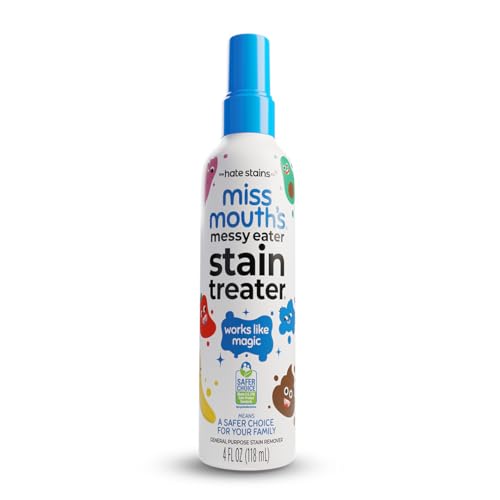
- Color-safe stain remover spray for clothes ink

Before You Start
Inspect fabric care labels to avoid damage from heat. Test any product on a hidden spot first to confirm colorfastness. Work on spills while the fabric is dry to prevent spreading. Prepare a clean area to place treated clothes as you work.
Time estimate: 20–60 minutes for initial treatment, plus standard wash cycles. Critical cautions: never apply hot steam directly to delicate fabrics, and avoid drying stained items before pre-treating to prevent setting the stain.
Step-By-Step: Removing Ink After A Pen Burst In The Dryer
- Carefully remove all garments from the dryer and inspect for ink patterns and distribution.
- Rinse the most obvious ink spots under cold running water from the fabric’s backside to push ink out of fibers.
- Apply an ink-focused stain remover pen for clothes to the affected areas, following the product’s instructions.
- Gently blot with a clean cloth and let the remover sit for the recommended time.
- For larger or stubborn stains, use a fabric stain remover spray for ink stains and work it in with a soft brush or your fingers.
- Rinse or blot away the remover, then apply an enzyme laundry stain remover gel for ink on the affected spots.
- Wash the garments as directed on their care labels, using the warmest water safe for the fabric and adding extra rinse if available.
- Check the stain before drying. If any color remains, repeat treatment with the most effective product before air-drying.
- Air-dry the items or tumble-dry on a low setting if the fabric care label allows, to avoid setting any remaining traces of ink.
- Repeat the process on heavily soiled items or fabrics prone to ink retention until clean.
- For color safety concerns, opt for a color-safe stain remover spray for clothes ink on colored fabrics to minimize fading.
Troubleshooting
| Symptom | Likely Cause | Fix | Prevention |
|---|---|---|---|
| Ink still visible after wash | Stain set-in or insufficient pre-treatment | Reapply pen or spray, rewash with enzyme gel | Pre-treat promptly; avoid overloading dryer with stained items |
| Fabric color faded | Harsh chemical or hot water | Switch to color-safe spray and cooler wash if possible | Follow care labels; test on hidden spot first |
| White spots on dark fabrics | Residue from stain remover | Rinse thoroughly and run an extra rinse | Rinse completely; use minimal product |
| No improvement after one cycle | Pen ink composition or synthetic fibers | Try a different product type (enzyme gel or pen) | Act quickly; treat multiple times if needed |
Common Mistakes
- Using hot water on fresh ink, which can set the stain
- Skipping a color-fast test on delicate fabrics
- Over-wetting or overwetting the fabric before washing, causing ink spread
- Drying items with visible stains before treatment is complete
Tips For Best Results
- Work from the outside in when treating stains to prevent spreading inward.
- Choose the stain remover type that matches the fabric: liquid enzyme gels are versatile for many fibers.
- Air-dry sensitive fabrics after treatment to monitor stain removal without heat setting.
- Label care instructions vary; when in doubt, use the mildest effective treatment and cooler wash cycle.
- Keep a small stash of ink- and color-safe stain removers for quick response in future accidents.
Call A Professional
Seek professional cleaning if stains cover delicate fabrics (silk, wool), or if items are heirloom or heavily valued and machine washing may risk damage. Also consider professional cleaning for persistent ink on upholstery or large textiles where home methods may fail.
FAQ
Can I use any stain remover on any fabric?
Not always. Always check fabric care labels and test a hidden area before full application.
What if ink is set after drying?
Re-treat with an ink-focused remover and wash again; repeat as needed, avoiding high heat.
Are enzyme-based removers better for ink?
Enzyme-based gels break down organic components and work well on many ink stains, especially on cottons and blends.
Is it safe to use multiple products at once?
Generally not. Use one product at a time to prevent chemical reactions and potential fabric damage.
Should I wash with warm or hot water?
Follow the fabric care label; warm water is commonly effective for ink, but hot water can set certain stains or affect delicate fabrics.
Can I dry clothes after partial stain removal?
Only after confirming that the stain is gone; heat can set remaining ink, making removal harder.
Buying Guide
When choosing stain-removal products for ink, consider size, application method, and fabric compatibility. Look for one or more of these options: ink stain remover pen, fabric stain remover spray, and enzyme-based gels. Evaluate how the products work on different fabrics and their ease of use in household routines.
Key buying factors include
- Size and coverage: larger bottles for frequent use or compact pens for quick spot treatment
- Effectiveness on ink types: ballpoint vs. gel vs. marker ink
- Fabric compatibility: color-safe options for colored clothing
- Application method: pens for precise application or sprays for broader areas
- Dry-time and wash compatibility: quick-acting formulas that rinse clean
- Safety and scent: low-irritant formulas for sensitive skin and light fragrances
Comparison perspectives include how well each product performs on cotton blends, synthetics, and delicate fabrics, as well as value per treatment. Consider a small starter kit with an ink stain remover pen, a color-safe spray, and an enzyme gel to cover most household ink spills.