Spring cleaning is a practical opportunity to refresh living spaces, improve indoor air quality, and reset routines. A structured plan helps households tackle dust, grime, and clutter efficiently while keeping safety in mind. This guide outlines a clear, step-by-step approach suitable for American homes, with tool options that emphasize effective cleaning across rooms and surfaces.
Quick Answer
Break the task into zones, start high and work down, and use microfiber tools to trap dust. Prioritize bathrooms, kitchens, living areas, and bedrooms. Schedule a few focused sessions, and tackle tough spots with purpose-built tools like extendable dusters and a microfiber mop for hardwood floors.
What You’ll Need
- Microfiber mop with adjustable handle for hardwood floors
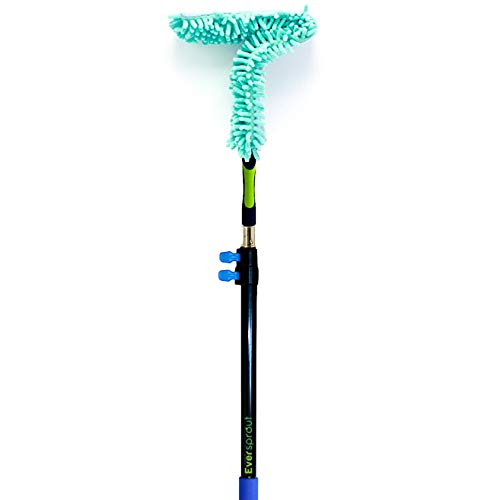
- Extendable duster with microfiber sleeves
- Window cleaning squeegee kit with microfiber towel
- Toilet bowl cleaning brush with antibacterial coating
- Extendable ceiling fan duster with microfiber sleeve


Before You Start
Clear clutter from floors and surfaces to allow thorough cleaning. Open windows for ventilation and set aside a few hours for a comprehensive session. Always test cleaning tools on a small area first to avoid damage, especially on delicate surfaces. Wear a mask if dust levels are high and follow chemical product instructions for any cleaners used in kitchens and bathrooms. Plan for breaks and hydration to maintain focus throughout the process.
Step-By-Step: How To Spring Clean A House
- Declutter and plan: Make quick passes by room, listing high-dust areas and surfaces to target first.
- Dust ceilings and corners: Use an extendable duster with microfiber sleeves to reach vents, crown molding, and ceiling corners without moving furniture.
- Clean light fixtures and fans: Cover or remove delicate bulbs, then wipe fixtures with microfiber towels. Use the extendable ceiling fan duster to minimize ladder use.
- Wipe walls and baseboards: Lightly dampen microfiber cloths and wipe from top to bottom to catch falling dust.
- Dust and wipe furniture: Use a microfiber cloth or pad to lift dust rather than push it around; check shelves, electronics, and picture frames.
- Kitchen focus: Clean counters, cabinets, and appliances. Use a microfiber cloth for dry dusting and a damp cloth for grime spots; wipe inside and outside the microwave and refrigerator door handles.
- Bathrooms spotlight: Scrub sinks and faucets, clean mirrors with a microfiber towel, and use a toilet bowl cleaning brush with antibacterial coating for bowls and rims.
- Floors and mop: Finish with a thorough floor cleaning. Use a microfiber mop with adjustable handle for hardwood floors to sweep and mop without streaks or excess moisture.
- Windows and glass: Clean windows from the inside out using a window cleaning squeegee kit with microfiber towel for a streak-free finish.
- Ventilate and refresh: Open windows, run exhaust fans, and place a light air freshener or natural scent in living spaces.
- Final touch-up: Return items, organize spaces, and take out trash or recyclables to complete the cycle.
- Inspect for missed spots: Do a quick second pass in high-traffic zones and re-clean any smudges or dust seen after the initial pass.
Troubleshooting
| Symptom | Likely Cause | Fix | Prevention |
|---|---|---|---|
| Streaks on glass | Damp or soapy film | Wipe with a dry microfiber towel after cleaning | Use proper microfiber towels and avoid excess cleaner |
| Dust returns quickly | Inadequate initial dusting or hidden vents | Revisit vents and higher corners; use extendable tools | Clean regularly to prevent buildup |
| Scratches on wood floors | Rough mop head or dirty cloth | Switch to clean microfiber and avoid abrasive pads | Rinse and replace cloths as needed |
| Stubborn soap scum in bathroom | Residue buildup | Use a mild cleaner and a scrub brush with antibacterial coating | Wipe surfaces after use to reduce buildup |
Common Mistakes
- Trying to clean too fast without proper tools or planning
- Over-wetting hardwood floors during mopping
- Skipping high areas like ceilings and vents
- Neglecting to declutter before cleaning, which wastes time
- Using dirty microfiber cloths on multiple surfaces without washing
Tips For Best Results
- Work in a logical sequence: start with dusting, then cleaning surfaces, followed by floors.
- Use microfiber tools for better trapping of dust and less residue.
- Keep spare microfiber cloths and replacement heads handy for quick swaps.
- Vent bedrooms and living areas to reduce airborne dust during cleanup.
- Schedule periodic refreshes: a mid-season quick clean helps maintain the results of a thorough spring clean.
Call A Professional
Consider contacting a cleaning professional if there are persistent stains, mold concerns, or large-scale clutter that feels unmanageable. Immediate signs to seek help include strong odors that persist after cleaning, significant water damage, or any structural concerns. If safety equipment or ladders are required beyond standard household use, a pro can provide guidance and service options.
FAQ
How long does a typical spring clean take?
Most homes can be completed in one to two clean sessions, depending on size and clutter levels.
Which areas should be prioritized?
Start with bathrooms and kitchens, then move to living spaces and bedrooms for a comprehensive refresh.
Can I use the same tools for all surfaces?
Yes, but rotate microfiber cloths as they collect dust to prevent cross-contamination between rooms.
What maintenance helps extend cleanliness between seasons?
Regular dusting, air vent checks, and surface wiping keep homes looking fresh longer.
Buying Guide
When choosing tools for a spring cleaning routine, several factors influence performance and ease of use. Consider the size and maneuverability of cleaning tools, especially in small spaces. Noise level matters for households with sleepers or pets. Energy efficiency and battery life are relevant for powered devices. Controls should be intuitive, with adjustable handles or extendable features to reach high spots. Placement compatibility, such as tool storage options, helps maintain an organized cleaning closet. Compare kits that combine essential items like microfiber outfits, extendable dusters, window squeegees, and antibacterial brushes for a balanced approach. Think about home type (apartment vs. single-family) and prioritize tools that cover multiple surfaces efficiently. A well-chosen set reduces cleaning time and improves results, making spring cleaning more approachable year after year.